Five university students in southern Turkey have been held in pretrial detention for more than 11 months without an indictment over alleged links to the faith-based Gülen movement, their families said, the TR724 news website reported.
Families say the five students remain in custody at a Gaziantep prison without formal charges, even as most other defendants in the same investigation were later acquitted in separate proceedings.
“They have been in prison for close to a year, and still there is no indictment,” the father of one students said. “We don’t know what to do or who to turn to.”
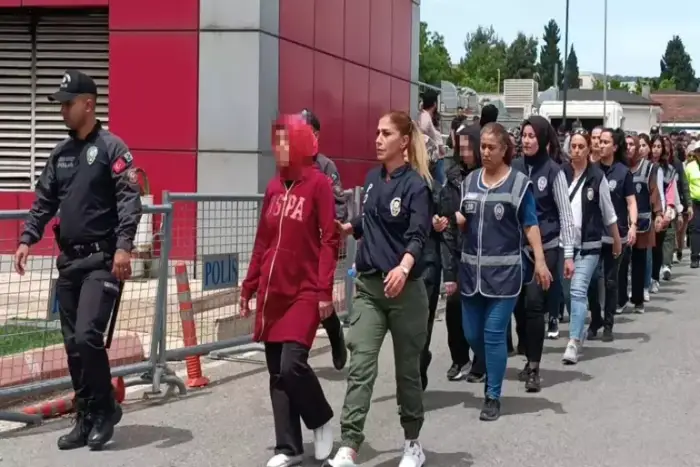
The students were among 208 people detained in May 2025 in a nationwide operation centered in the southeastern province of Gaziantep, according to statements at the time by former interior minister Ali Yerlikaya. Authorities said the operation targeted people suspected of ties to the movement.
Some 30 students, most of them women aged between 19 and 24, were jailed pending trial by a local court in Gaziantep. The group included students in fields such as engineering and medicine, the families said.
Turkish President Recep Tayyip Erdoğan has targeted followers of the Gülen movement, inspired by the late Muslim cleric Fethullah Gülen, since corruption investigations in December 2013 implicated him as well as some members of his family and inner circle. He dismissed the probes as a Gülenist conspiracy and later designated the movement as a terrorist organization in May 2016, intensifying a sweeping crackdown after a coup attempt in July of the same year that he accused Gülen of orchestrating. The movement denies involvement in the failed coup or any terrorist activity.
According to case details cited by families and defense lawyers, investigators questioned the students about trips abroad, including visits to Balkan countries, who paid for their travel and where they stayed. Some were also asked whether relatives had been dismissed from public jobs under post-coup emergency decrees after the 2016 coup attempt.
Following the abortive putsch, the Turkish government declared a state of emergency (OHAL) that remained in effect until July 19, 2018. During this period, the government carried out a purge of state institutions under the pretext of an anti-coup fight by issuing a number of government decrees, known as KHKs. Over 130,000 public servants, including 4,156 judges and prosecutors, as well as more than 24,000 members of the armed forces were summarily removed from their jobs for alleged membership in or relationships with “terrorist organizations” by emergency decree-laws subject to neither judicial nor parliamentary scrutiny.
Prosecutors accused some of financing the Gülen movement. Families denied the claim, saying the students lived on modest allowances and had no means to fund such activity.
As proceedings advanced, case files were separated, with many students tried in courts in their home provinces. Most were acquitted of all charges after months in detention, according to rulings cited by lawyers.
Under Turkish law, prosecutors in terrorism-related cases can take extended time to prepare indictments, a practice critics say contributes to lengthy pretrial detention.
The European Court of Human Rights (ECtHR) has previously ruled against Turkey in cases involving excessive pretrial detention.
Families say the uncertainty has taken a psychological toll on the detainees. Some described signs of severe distress.
“We are going through the hardest period of our lives,” one mother said. “Our children are in prison despite being innocent.”