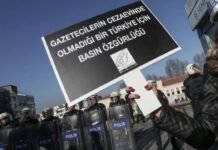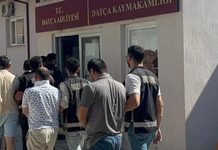

Turkish authorities have investigated at least 70 journalists under a controversial “disinformation law” since 2022, among whom 15 were detained, four were arrested and 27 indicted, the BirGün daily reported.
The investigations have resulted in four journalists being jailed pending trial, according to reporting by the opposition-aligned BirGün newspaper. Among recent cases, authorities detained İsmail Arı, a reporter for BirGün, on Saturday and put him in pretrial detention on Sunday over his reporting that allegedly spread false information.
Press freedom advocates and opposition figures argue that the law has been used to target critical reporting, allowing authorities to label factual journalism as false information.
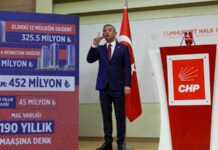
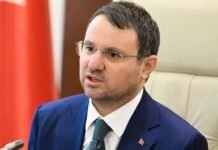
Members of the ruling alliance reject that characterization. Feti Yıldız, a senior figure in the far-right Nationalist Movement Party (MHP), which backed the legislation along with the ruling Justice and Development Party (AKP), said in February that the law does not target journalists or legitimate reporting.
The measure, passed in October 2022, introduced Article 217/A to the Turkish Penal Code, creating a new offense of “publicly spreading misleading information.” Those convicted can face prison sentences of one to three years, with harsher penalties in certain circumstances. Critics say the wording is vague and allows prosecutors broad discretion, while the government says it is necessary to counter false information, particularly online.
Individual cases documented by press freedom groups include journalists such as Tolga Şardan, who was detained in 2023 over a report on alleged corruption in the judiciary; Sinan Aygül, who was convicted under the law; and Alican Uludağ, who was detained in 2026.
Turkey is ranked 159th out of 180 countries in the 2025 World Press Freedom Index, published by RSF in May 2025.