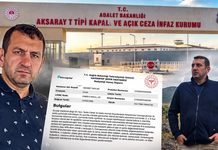
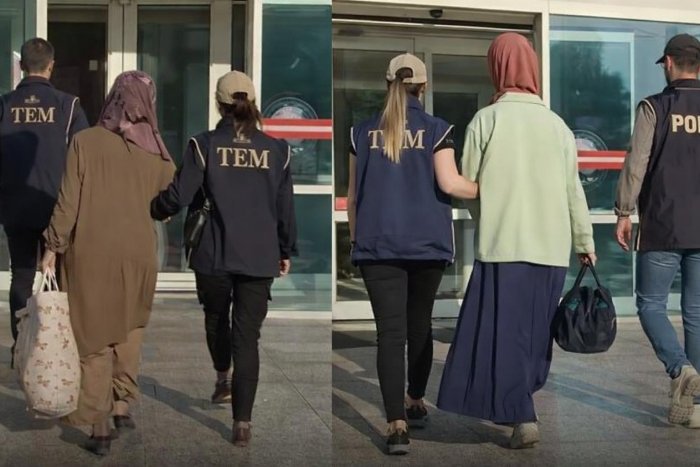
Turkish police on Thursday detained 42 people, most of them women, on accusations of providing financial assistance during Ramadan to families of individuals jailed or dismissed from their jobs over alleged links to the faith-based Gülen movement, Turkish media reported.
The detentions were carried out in dawn raids across six provinces as part of a Manisa-based investigation into aid allegedly delivered to people linked to the movement during the Muslim holy month.
Police reportedly broke down doors during the raids and denied detainees access to their lawyers.
In a separate investigation, police on Monday detained 19 people in 13 provinces over accusations that they had maintained ties to the Gülen movement.
Prosecutors had issued detention warrants for 20 people in that investigation, with efforts to detain the one remaining individual ongoing.
Turkish President Recep Tayyip Erdoğan has targeted followers of the Gülen movement, inspired by the late Muslim cleric Fethullah Gülen, since corruption investigations in December 2013 implicated him as well as some members of his family and inner circle. He dismissed the probes as a Gülenist conspiracy and later designated the movement a terrorist organization in May 2016, intensifying a sweeping crackdown after a coup attempt in July of the same year that he accused Gülen of orchestrating. The movement denies involvement in the coup attempt or any terrorist activity.
Following the failed coup, the Turkish government declared a state of emergency that remained in effect until July 19, 2018. During this period, the government carried out a purge of state institutions under the pretext of an anti-coup fight by issuing a number of government decrees. Over 130,000 public servants, including 4,156 judges and prosecutors, as well as more than 24,000 members of the armed forces were summarily removed from their jobs for alleged membership in or relationships with “terrorist organizations” by emergency decree-laws subject to neither judicial nor parliamentary scrutiny.
According to the latest figures from the Justice Ministry, more than 126,000 people have been convicted of alleged links to the movement since 2016, with 11,085 still in prison. Legal proceedings are ongoing for over 24,000 individuals, while another 58,000 remain under investigation nearly a decade later.