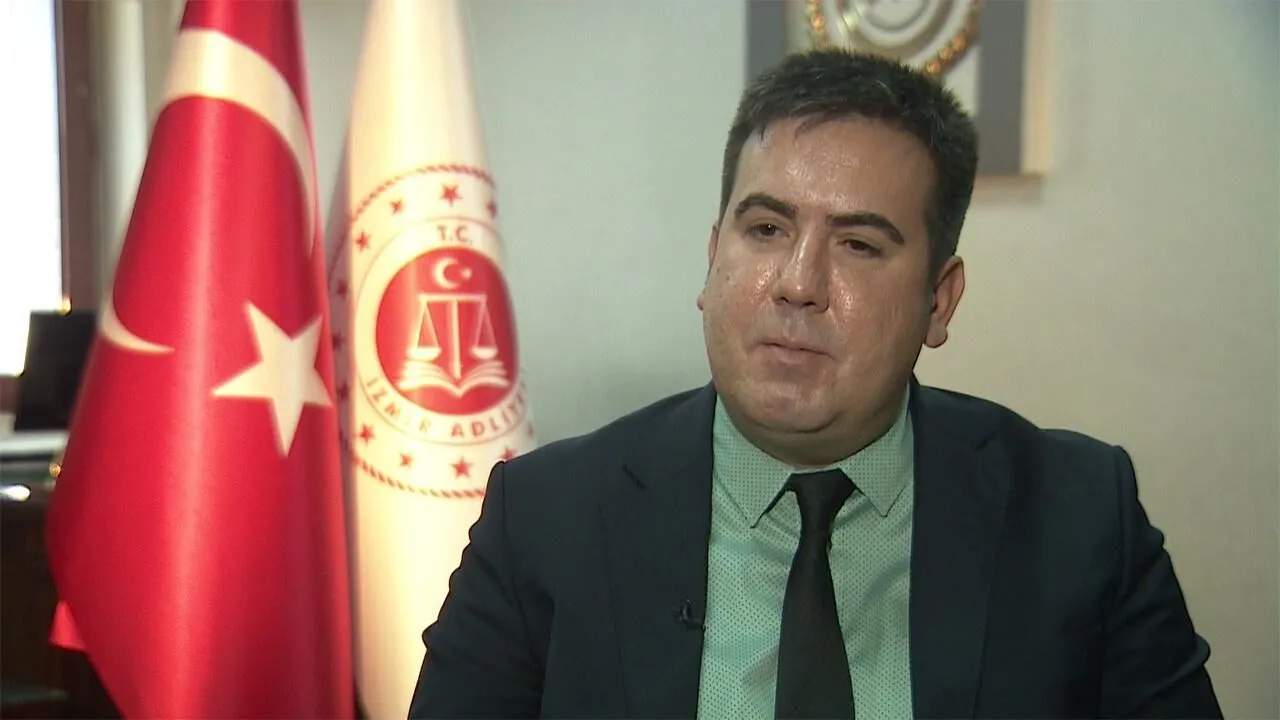
A Turkish prosecutor who has been accused in court testimony and rights complaints of overseeing and witnessing torture was appointed deputy justice minister in a presidential decree published on February 20, Nordic Monitor reported.
Can Tuncay, a career prosecutor who most recently served as a deputy chief public prosecutor in İstanbul overseeing terrorism and organized crime investigations, was named to the post in a decree issued by President Recep Tayyip Erdogan. His appointment follows years of service in counterterrorism prosecutions in Istanbul, İzmir and Ankara.
Tuncay, born in Istanbul in 1983 and a graduate of Marmara University’s law faculty, entered the judiciary as a public prosecutor in 2007 after completing training in Ankara. He served in regional prosecutor’s offices before being assigned to terrorism investigations in Istanbul in 2015, shortly before a coup attempt on July 15, 2016. He later held senior prosecutorial posts in İzmir and Ankara, appointments that came relatively early in his career compared to the level of experience typically required for such positions, before returning to Istanbul in 2024 as deputy chief public prosecutor in charge of terrorism and organized crime cases.
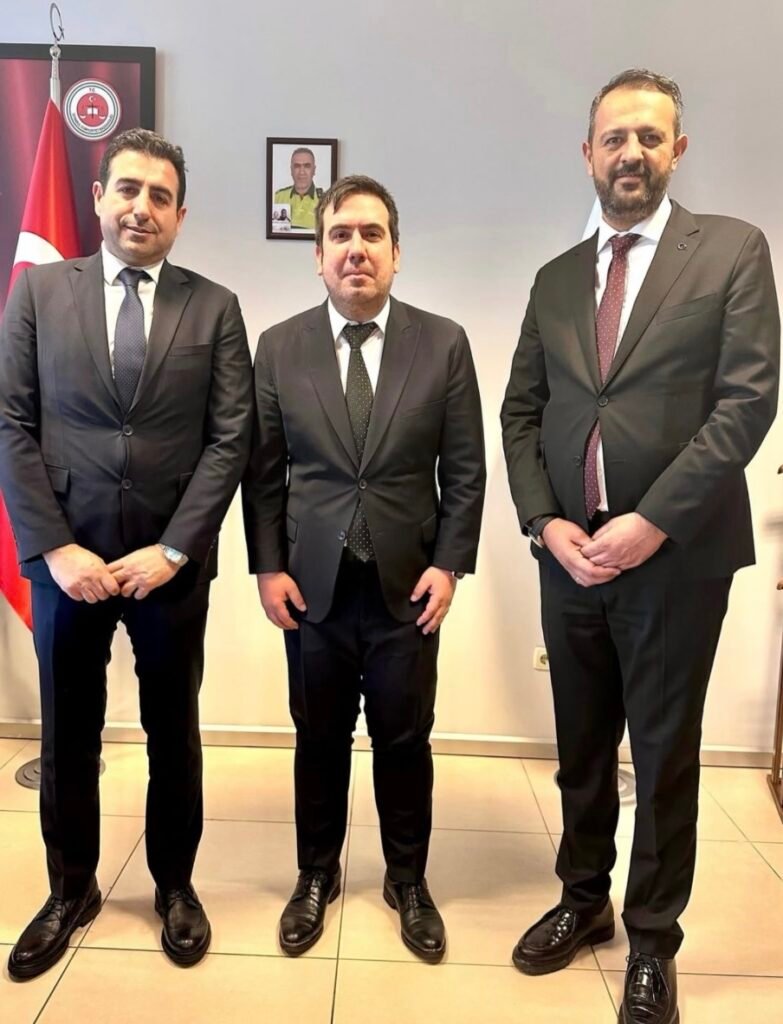
His appointment follows a career marked by rapid advancement through Turkey’s prosecutorial ranks that departed from customary seniority practices, with his rise accelerating after the 2016 failed coup. Despite a reassignment order issued before July 2016 that would have transferred him to Bolu, he remained in Istanbul and continued working on high-profile coup-related and terrorism investigations. His rapid promotion to senior prosecutorial posts came during the Erdogan administration, when he handled cases reflecting government priorities. Opponents and defendants often described him as a prosecutor close to the government and loyal to Erdogan.
In the aftermath of the coup attempt in 2016, President Erdogan tightened his grip on power, consolidating his control over the judicial, legislative and executive branches. Mere hours after the coup had begun, the government initiated a sweeping purge, removing 4,156 judges and prosecutors from their posts, an indication that these individuals had likely been blacklisted beforehand. Their positions were quickly filled by government loyalists, many of whom were selected from the ranks of the ruling party.
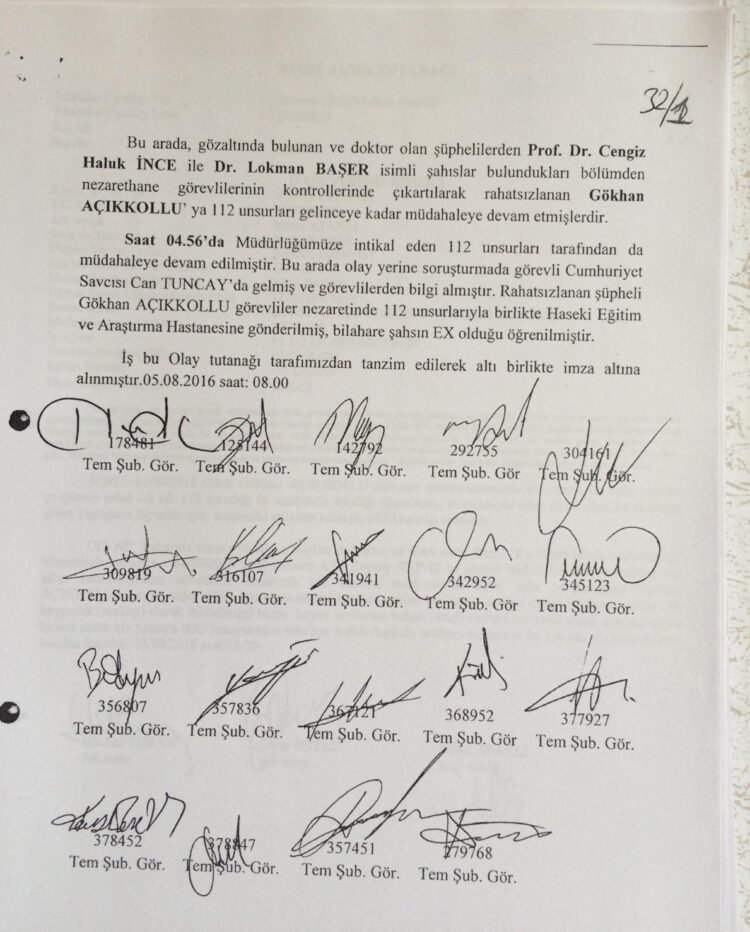
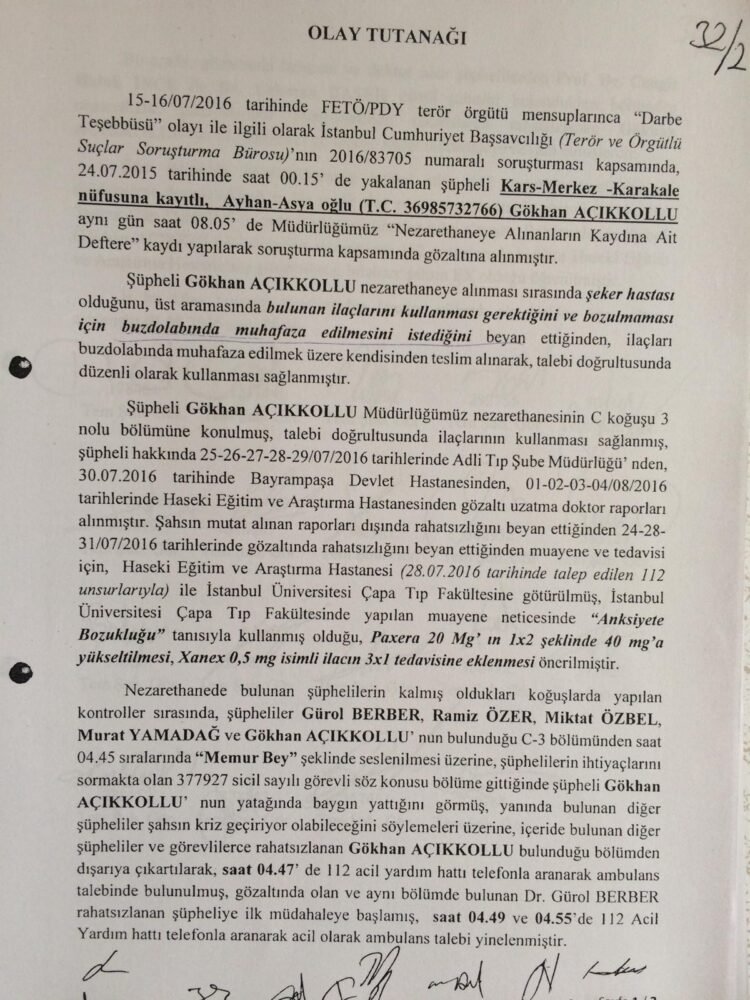
Among the most widely reported cases linked to Tuncay is that of Gökhan Açıkkollu, a history teacher detained in July 2016 who died after 13 days in custody at Istanbul police headquarters. Official records listed the cause of death as a heart attack, but medical reports and witness statements cited in complaints filed by the family described injuries and alleged mistreatment during detention.
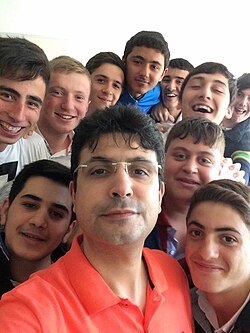
Açıkkollu, who suffered from diabetes and panic attacks, was detained on suspicion of links to the Gülen movement, a group critical of Erdogan. According to medical examinations and autopsy findings cited in legal filings, bruising and broken ribs were documented on his body. His family said his medication was not administered during detention and witnesses later told courts he had been beaten.
Tuncay was the prosecutor who authorized Açıkkollu’s detention, according to case records and family statements. He was also among officials named in complaints filed by relatives seeking an investigation into the death. No charges were brought against prosecutors in connection with the case.
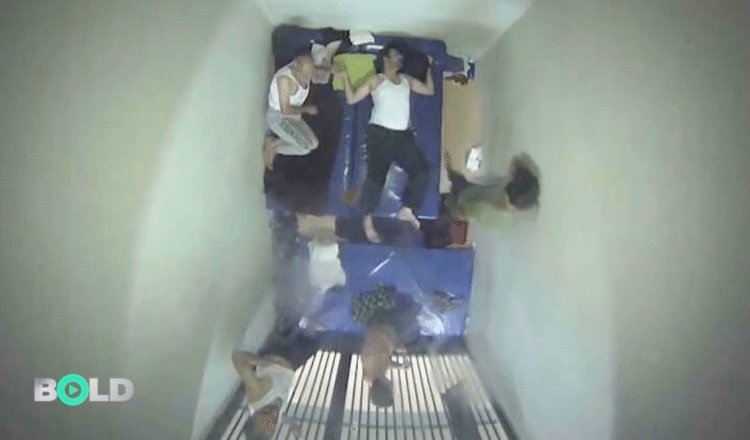
Testimony presented in proceedings before the Istanbul 29th High Criminal Court included statements from another detainee, identified in court records as N.K., who alleged that he was tortured in August 2016 in the presence of prosecutors including Tuncay. The detainee told the court that police officers beat and threatened him during interrogation sessions and that prosecutors observed the treatment. The allegations were included in formal defense submissions but did not result in charges against prosecutors.
The death of Açıkkollu drew additional attention after an independent forensic review by a rights advocate concluded that physical trauma could have contributed to the fatal heart attack. The family filed criminal complaints alleging torture and negligence, but a prosecutor later ruled that there was insufficient evidence to pursue charges against public officials.
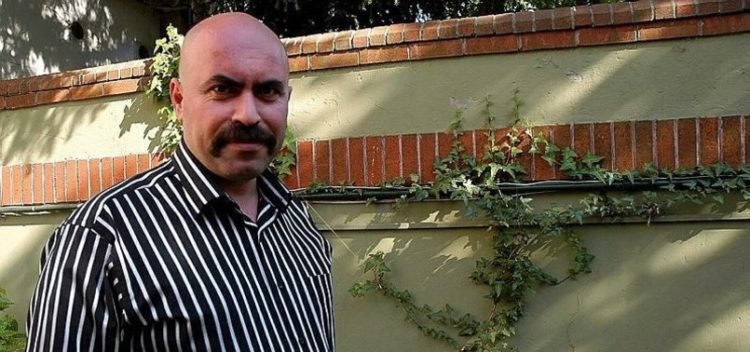
Six months after Açıkkollu’s death his wife, Tülay Açıkkollu, was detained and questioned in an investigation personally handled by Tuncay, according to her testimony and legal filings. She later said Tuncay asked about her husband’s acquaintances. Tuncay told her that he would not seek her arrest because she was caring for her elderly parents. According to Açıkkollu, her parents had only recently come to stay with her and she said Tuncay could only have known this if she herself had been under physical surveillance.
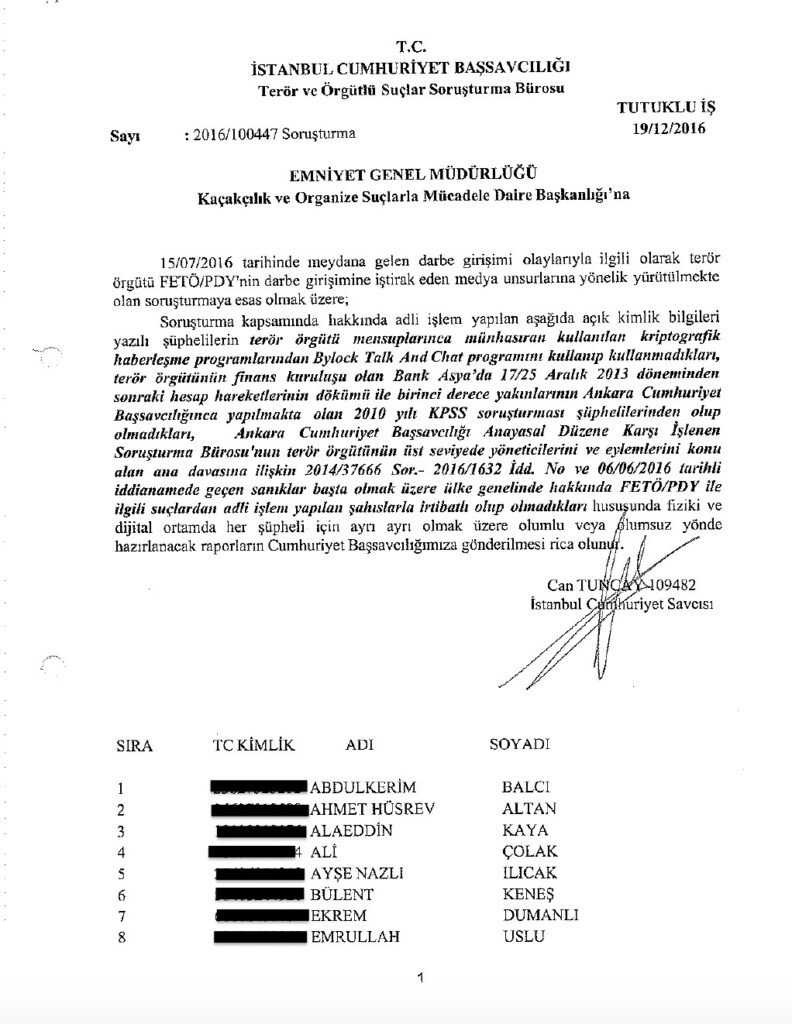
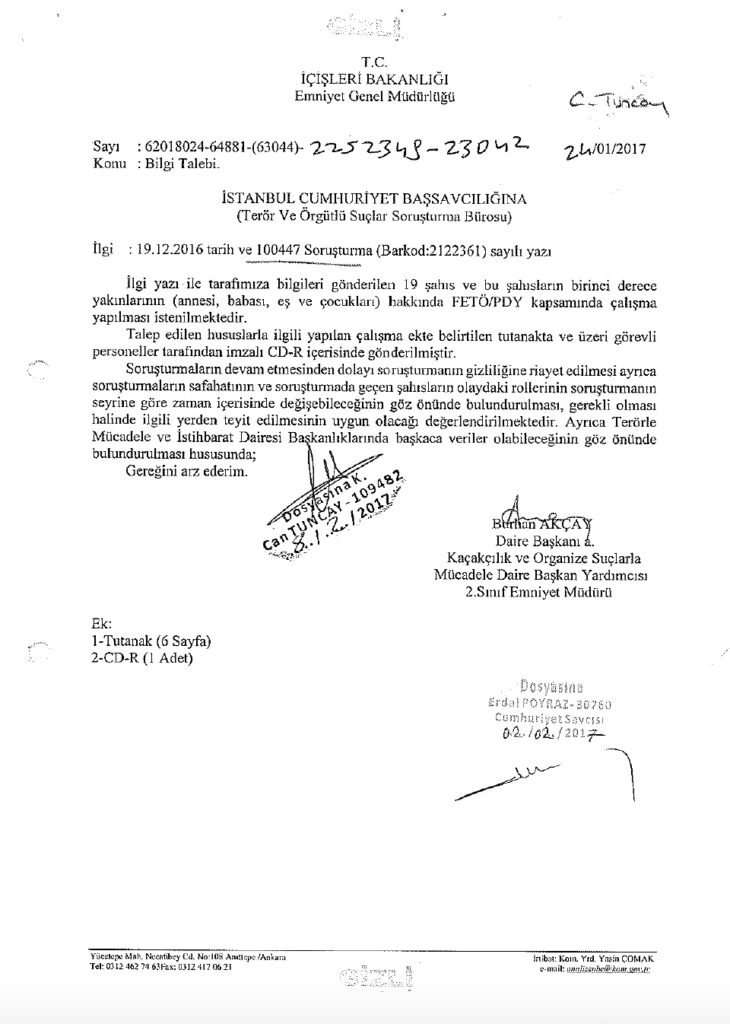
Tuncay was also involved in prosecutions targeting journalists and their families in the aftermath of the coup attempt. Documents reported by investigative outlets showed that in 2016 he ordered police to collect information on relatives of critical journalists. The records included financial data and communication histories of family members of exiled and imprisoned reporters. The investigations formed part of a broader crackdown that followed the coup attempt, during which hundreds of media outlets were closed down and journalists were prosecuted.
Tuncay also served as the prosecutor in the case of academic Tuğrul Özşengül, a former police academy lecturer who died in prison in 2022 after suffering a heart attack while in custody on charges of alleged membership in the Gülen movement. Court records show that Özşengül repeatedly warned judges about his heart condition and said he might not survive continued imprisonment. According to the case file, Tuncay accused Özşengül of activities including writing opinion pieces and meeting with journalists critical of the government.
Tuncay’s prosecutorial career has overlapped with that of senior judicial figures involved in post-coup trials, including former Istanbul chief prosecutor Akın Gürlek, who became justice minister on February 11, 2026. Tuncay served in senior roles in Istanbul’s terrorism prosecution offices during Gürlek’s tenure there.
Documents showing an order by Can Tuncay requesting 19 separate investigations targeting journalists’ relatives, including parents and minor children, over criminal allegations.:
Tuncay and new Justice Minister Gürlek have been close associates since their university years, and Tuncay later became a leading member of Gürlek’s prosecutorial team in İstanbul when Gürlek served as chief public prosecutor. Tuncay’s appointment as deputy justice minister came at Gürlek’s request. Gürlek previously played a central role in judicial actions against Istanbul Mayor Ekrem İmamoğlu of the main opposition Republican People’s Party (CHP), including corruption-related proceedings that led to his arrest and the annulment of his university diploma, moves that effectively sidelined one of President Erdogan’s strongest political rivals. Opposition figures say that during Gürlek’s tenure at the Justice Ministry, new cases targeting CHP figures are expected to proceed and could include legal action involving Ankara Mayor Mansur Yavaş, another prominent presidential contender, in what they describe as an effort to push potential challengers out of the race.
In addition to cases involving teachers and academics, Tuncay supervised or participated in investigations targeting civil servants and other professionals suspected of links to opposition groups.