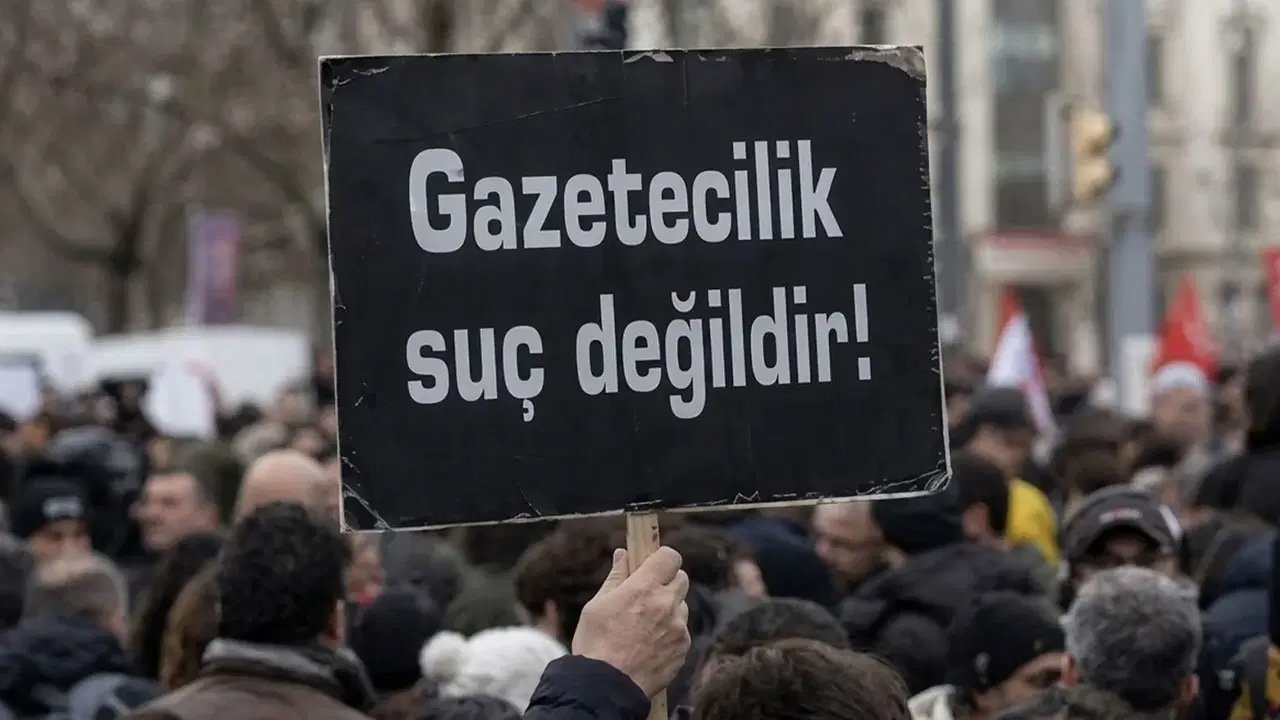
Six press freedom and human rights groups on Wednesday called on Turkey to remove state-appointed trustees from Sözcü TV, Halk TV and TELE1, warning that criminal investigations into media owners and executives were being used to take control of entire newsrooms.
In a joint statement published after a three-day fact-finding mission to Ankara, the groups said the takeovers had stripped three of the country’s main government-critical broadcasters of their editorial independence.
They also called for the release of journalists jailed for their work and the repeal of a 2022 law criminalizing the dissemination of what it calls misleading information.
“Allegations against owners and executives concern individual responsibility, and do not justify seizing entire newsrooms,” the groups said.
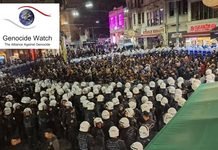
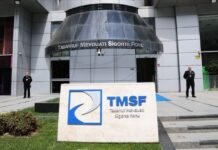
The latest takeover came on November 17, when police raided Sözcü TV’s İstanbul headquarters and a court appointed the state-run Savings Deposit Insurance Fund (TMSF) to manage the company that operates the station and the Sözcü news website.
The fund, originally established to insure bank deposits, also administers companies put under its control by court order. The appointment excluded the print edition of Sözcü and its sister newspapers.
İstanbul prosecutors said the raid was part of an investigation into Sözcü owner Burak Akbay over alleged links to the faith-based Gülen movement and suspected violations of Turkey’s terrorism financing law.
Sözcü’s lawyer challenged the legal basis of the raid. A court later placed one of the four people detained in the operation under house arrest and barred the others from leaving Turkey.
Halk TV was put under TMSF management on October 14 during an investigation into its owner, Cafer Mahiroğlu, over allegations of bribery, bid rigging and money laundering, which he denied. Former Halk TV journalists launched a news outlet on YouTube on Monday.
TELE1 was placed under trusteeship in October 2025 during an espionage investigation targeting its editor-in-chief, Merdan Yanardağ.
The International Press Institute led the November 23–25 mission, which also included Amnesty International’s Turkey branch, ARTICLE 19 Europe, the Committee to Protect Journalists, the European Federation of Journalists and the South East Europe Media Organisation.
The delegation met with Constitutional Court officials and members of Turkey’s broadcasting regulator.
It said the presidency and the justice and interior ministries were among the offices that declined to meet or did not respond.
The groups said 15 journalists were in prison as of November 19, most awaiting trial, and that prosecutors had used the misleading information provision in at least 30 cases against journalists this year.
They cited BirGün reporter İsmail Arı, who was acquitted at his first hearing on November 19 after spending 29 days in pretrial detention.
The delegation also called for changes to Turkey’s internet law, saying thousands of social media accounts had been blocked in the past three months. Among the outlets affected was the independent T24 news site, whose website has been blocked in Turkey since September 30.
The Constitutional Court this week rejected T24’s request to lift the block while the court considers its case.
Turkey ranked 163rd out of 180 countries and territories in Reporters Without Borders’ 2026 World Press Freedom Index, down four places from the previous year.
This article is republished from Turkish Minute.