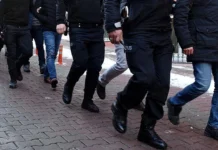

A gun battle between Turkish police and suspected Islamic State in Iraq and the Levant (ISIL) militants that killed three officers has triggered a wave of anger on social media, with critics pointing out that alleged militants had previously been detained and released and accusing authorities of lenient treatment of ISIL members, Turkish Minute reported.
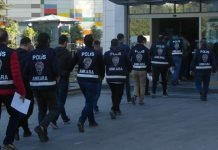
ISIL suspects opened fire during a raid on Monday, killing three officers and wounding nine.
Authorities said six militants, all Turkish citizens, were killed.
Much of the online backlash centered on the fact that at least one of the suspects killed in Monday’s clash, identified by Turkish outlets as Zafer Umutlu, had earlier stood trial in an ISIL-related case and was acquitted. The reasoned verdict in that case was issued the same day as the deadly raid, a detail that fueled sharp criticism and demands for accountability from judges and prosecutors.
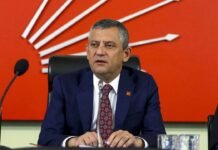
Main opposition Republican People’s Party (CHP) lawmaker Murat Emir said the public anger was justified, arguing that the state moved more quickly to restrict coverage than to explain how suspects with alleged extremist ties remained free. In a post on X Emir criticized the broadcast restriction imposed during the operation and said concerns about image appeared to outweigh transparency while police officers were being killed.
The Radio and Television Supreme Council (RTÜK) announced a temporary broadcast ban related to the incident, in a decision that sparked criticism from journalists and rights groups.
Interior Minister Ali Yerlikaya later said 16 people were detained over what he described as “provocative” social media posts about the clash, prompting criticism that dissent was being policed more aggressively than militant networks.
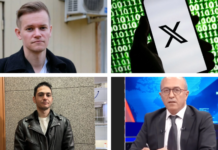
Anger also spread after users shared screenshots of past social media posts attributed to one of the militants killed in the raid, claiming the content showed visible signs of radicalization that had gone unaddressed. Many posts argued that such material had been publicly available and questioned how warning signs were missed.
During ISIL’s early rise in Syria and Iraq, Ankara was widely criticized by Western governments, researchers and Turkish opposition figures for rhetoric and policies they saw as uneven or slow to treat ISIL as a primary threat while Turkey focused on the Syrian government and Kurdish armed groups. After ISIL attacks killed civilians inside Turkey, the government shifted to a harder line, launching repeated raids and joining broader counter-ISIL efforts. At the same time allegations have persisted from journalists, Kurdish groups and some analysts that Turkey’s state apparatus at times tolerated or indirectly enabled ISIL networks in the region and that parts of the security establishment co-opted ISIL-linked figures in operations that targeted Kurdish forces.