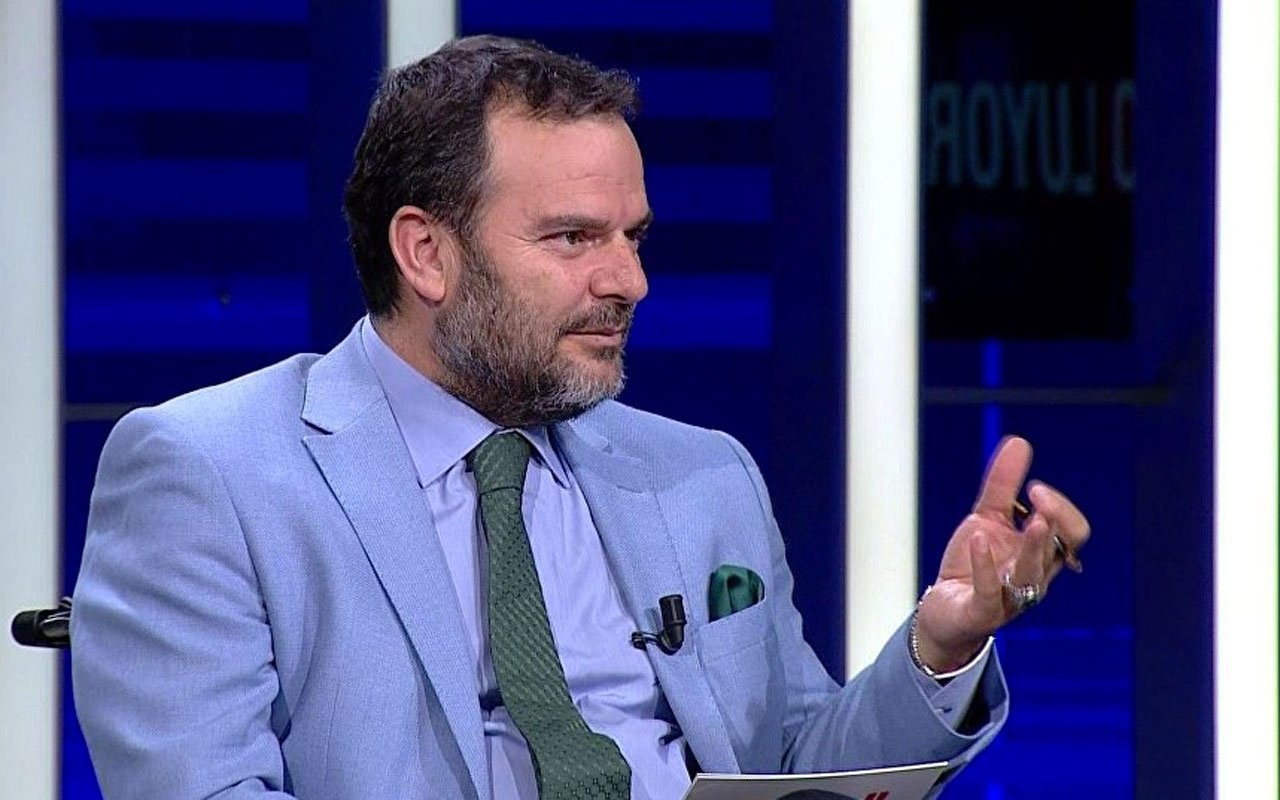
Turkish journalist Kemal Öztürk, a former press adviser to then-prime minister Recep Tayyip Erdoğan, has sparked criticism over remarks condemned as hate speech against Arab Alawites in Syria after saying accounts of alleged atrocities could make one feel that they “would deserve it if they were all massacred.”.
Öztürk, who later served as director general of the state-run Anadolu news agency, made the remarks during a program on the NTV news channel while talking about alleged atrocities committed in Syria.
Öztürk said he had heard horrific accounts from Sednaya Prison, Idlib, Afrin and the Aleppo countryside, before adding that despite those alleged atrocities, “they [the current Syrian government] did not take revenge.”
Nusayris, also known as Arab Alawites, are a religious minority concentrated mainly in Syria’s coastal regions.
Öztürk’s remarks drew condemnation from the Turkey Alevi Federation and the European Confederation of Alevi Unions (AABK), which accused him of using language that targets and dehumanizes Alawites and risks legitimizing violence against the community.
The pro-Kurdish Peoples’ Equality and Democracy Party (DEM Party) also condemned Öztürk’s remarks, describing them as a hate crime and calling on prosecutors to immediately launch an investigation.
The controversy comes amid continuing concerns over violence against Syria’s Alawite minority following the fall of longtime president Bashar al-Assad in December 2024.
In March 2025, 1,479 of Alawite civilians were killed in Syria’s coastal provinces during violence involving forces affiliated with the country’s new authorities and fighters loyal to Assad.
Hate speech targeting Alawites in Syria has previously sparked controversy in Turkey. In March 2025 pro-government Yeni Şafak columnist İsmail Kılıçarslan faced widespread criticism after describing Nusayris in Syria as “dogs of imperialism.”