Nationalist leader Devlet Bahçeli, a key ally of President Recep Tayyip Erdoğan, has ruled out an amnesty for Kurdish militants after a senior member of the outlawed Kurdistan Workers’ Party (PKK) said no PKK members had committed any crime and should return to Turkey without a need for a pardon, Turkish Minute reported.
In practice, the two positions describe rival endgames for thousands of PKK members.
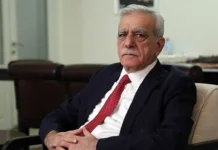
In the version laid out by Bese Hozat, co-chair of the Kurdistan Communities Union (KCK), an umbrella structure that includes the PKK and other Kurdish organizations, a former PKK commander could come back from the mountains of northern Iraq, register with a legal Kurdish party, run for parliament and live in Turkey without a criminal record.
In Bahçeli’s version, the same person would be screened on an individual basis by Turkish authorities. Some PKK members might be allowed to return under supervision or on parole. Of the ones who are already serving time over PKK-related crimes, some would stay in prison or be pushed to leave for a third country, and the state would keep the label of “terrorist crimes” in place.
In an interview with Medya Haber, a PKK-affiliated outlet, Hozat said Turkey’s current peace process had moved into a phase that requires legal changes to let PKK members take part in politics.
The PKK has fought an armed insurgency against the Turkish state since 1984. Turkey and its Western allies designated the group as a terrorist organization.
Hozat rejected the word “amnesty” and said PKK members are not asking for a special homecoming law.
“PKK members are not asking for amnesty. They are not asking for a homecoming law or anything,” she said. “No one has committed a crime, and since no crime has been committed, they are not asking for amnesty. Amnesty is made for those who have committed crimes.”
Her remarks mean that in the PKK’s view, laying down arms should not be framed as criminals seeking mercy from the state. Instead, Hozat is asking that former fighters and organizers be treated as people who can step straight into legal parties, associations and election campaigns.
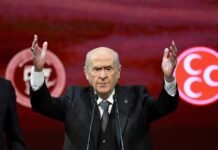
Bahçeli, who leads the far right Nationalist Movement Party (MHP), answered in an interview with the pro-MHP Türkgün daily.
“Look at these vulgar words, no one has committed a crime,” he said. “Therefore, they supposedly do not want amnesty or anything. Besides, there is no one promising amnesty anyway.”
“It is clear, evident and documented before history and the public conscience what crimes have been committed. Let them not make us open our mouths. Everyone should know their place and limits,” he added.
For Bahçeli, any end to the conflict must keep the idea that PKK members committed terrorism offenses. His message that “no one is promising amnesty” signals that he wants the state to keep the power to prosecute or punish even after weapons are handed over.
The clash comes during the most serious attempt in years to wind down the conflict.
Last year Bahçeli, a long time hardliner on the Kurdish struggle for recognition, surprised many observers by calling on jailed PKK founder Abdullah Öcalan to urge the group to lay down arms and disband.
Öcalan is serving a life sentence on the prison island of İmralı in the Sea of Marmara. Through intermediaries, he later sent a message backing a shift from armed conflict to politics and calling for the PKK to end its armed campaign.
In May the PKK held a congress in the Iraqi Kurdistan Region and announced that it would lay down arms and disband in line with Öcalan’s call.
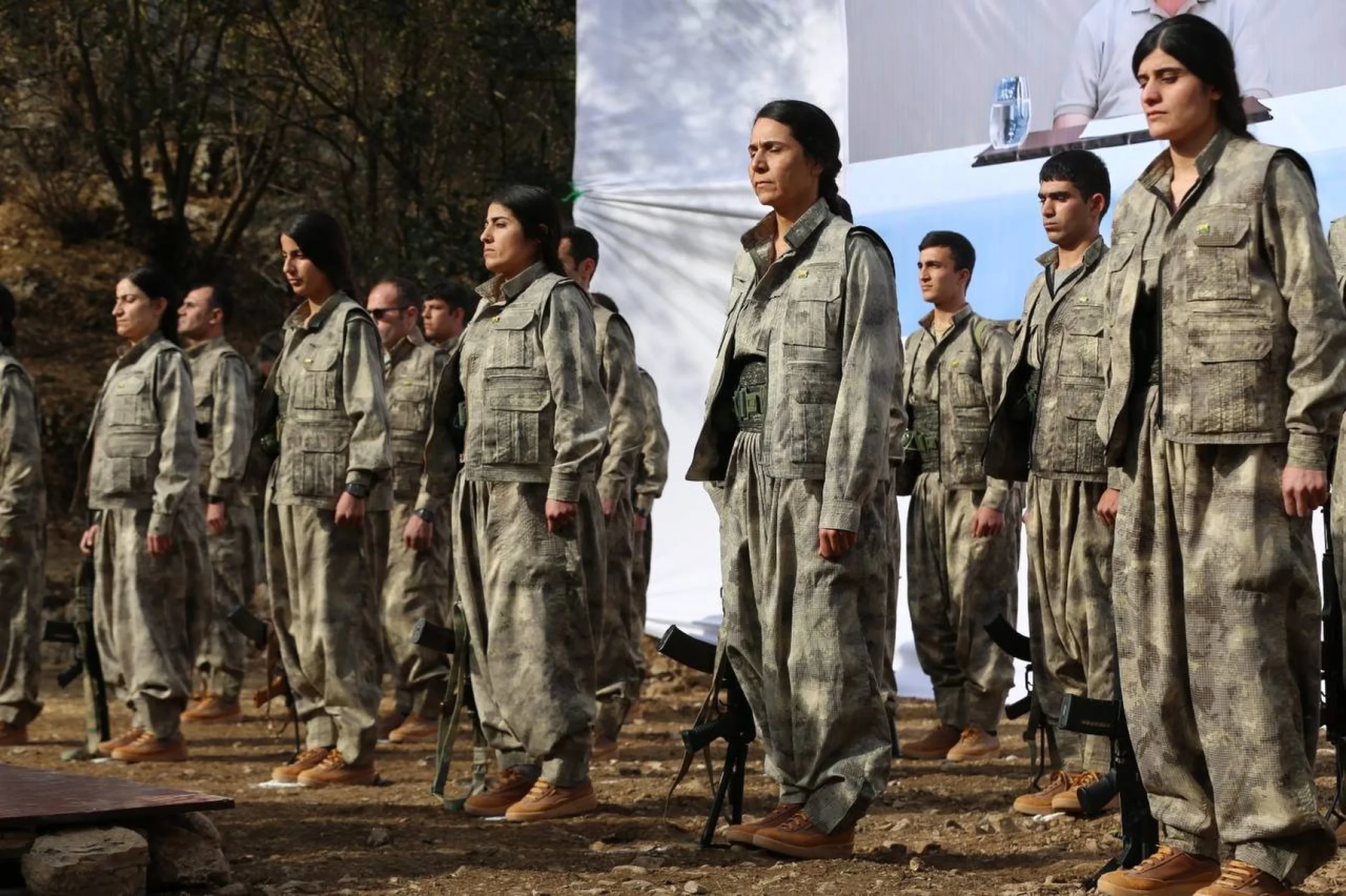
On July 11 a group of PKK members, including several commanders, burned and destroyed weapons at a ceremony near the city of Sulaymaniyah in northern Iraq, which the group presented as a symbolic first step toward giving up its arms. The organization later said it had withdrawn fighters from Turkish territory.
Ankara presents this process as part of a plan for a “terrorism-free Turkey” that would dismantle armed groups and open a new chapter in relations with the Kurdish population.
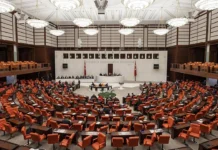
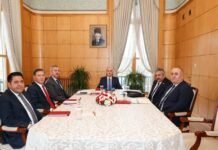
Parliament has created a National Solidarity, Brotherhood and Democracy Commission that brings together lawmakers from major parties. The body is tasked with drafting legal and political measures linked to the process. These include rules for the possible return of PKK members from Iraq and the future status of prisoners convicted under Turkey’s broad counterterrorism laws.
Last week members of the commission visited Öcalan on İmralı. The parliament speaker said in a short written statement that “positive results were obtained” from the visit and that there had been “positive advancement of the process,” without providing details.
PKK-linked figures say that Ankara has not yet set out a clear legal framework for what will happen to rank-and-file fighters, mid-level commanders and senior leaders.
Speaking to Agence France-Presse, two PKK commanders tied the dismantling of the organization to Öcalan’s release and to guarantees that former militants would not simply trade the mountains for prison cells.
Bahçeli, by contrast, has promoted a path that focuses on giving up arms first and tight state control over what comes next. He has floated the idea that some senior figures might be sent to third countries rather than be allowed to return to Turkey and has linked any future easing of Öcalan’s prison conditions to the complete dismantling of the PKK.