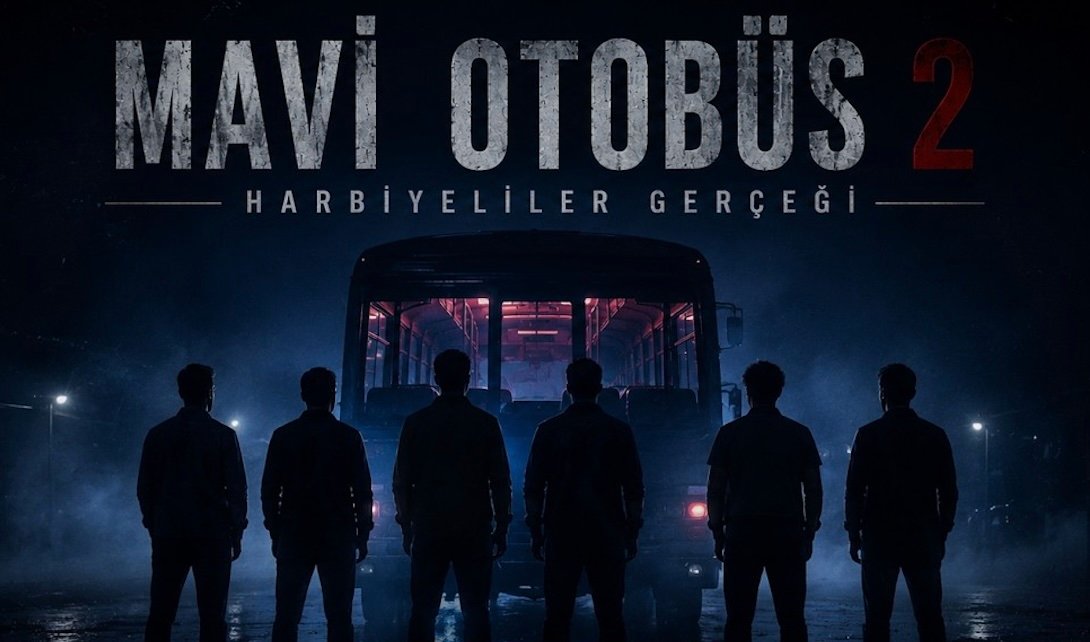
Six former Turkish Air Force Academy cadets who were sent to İstanbul under military orders during the July 2016 coup attempt recount in a new documentary how they were tortured, handed down aggravated life sentences and imprisoned for years over alleged involvement in the putsch.
The documentary, titled “Blue Bus 2,” is the second installment of a series about military cadets prosecuted in the sweeping trials that followed the coup attempt. The first film, released in 2022, featured other cadets who said they had been deployed without knowing that a coup was underway.
The cadets say their deployment came hours after then-Air Force commander Gen. Abidin Ünal paid an unexpected visit to their training camp in Yalova province and told them to be ready to carry out any duty they were assigned, remarks that appeared unusual at the time and later came to be seen as significant. The documentary presents the visit as one of several unresolved circumstances surrounding the cadets’ deployment.
Later that night, the cadets say they were ordered out of their dormitories, issued rifles loaded with live ammunition and told they were being sent to İstanbul for security reasons. They say they realized a coup attempt was underway only after civilians stopped their buses and accused them of taking part in it.
The former cadets say they initially managed to convince some civilians that they were not involved in the coup. As the night wore on, however, increasingly hostile groups gathered around the buses, some arriving in trucks with their faces covered and others, they say, speaking languages other than Turkish.
Former cadet İlhan Buğra Sönmez says they still do not know where they were being taken or what they were expected to do that night. He says their refusal to fire their weapons prevented a potentially worse outcome.
The attempted coup killed 251 people and wounded more than 1,000. President Recep Tayyip Erdoğan immediately accused the faith-based Gülen movement, inspired by the late cleric Fethullah Gülen, of orchestrating the plot, an accusation the movement strongly denies.
Erdoğan has targeted followers of the Gülen movement since corruption investigations in December 2013 implicated members of his government and his family. The crackdown intensified after the coup attempt, with hundreds of thousands of people investigated, detained or prosecuted over alleged links to the movement.
After the police dispersed the crowds with tear gas, the cadets were taken to the Sultanbeyli Police Station, where officers insulted, threatened and humiliated them. One officer photographed them as they were forced to kneel, making them feel as though they were being displayed as trophies.
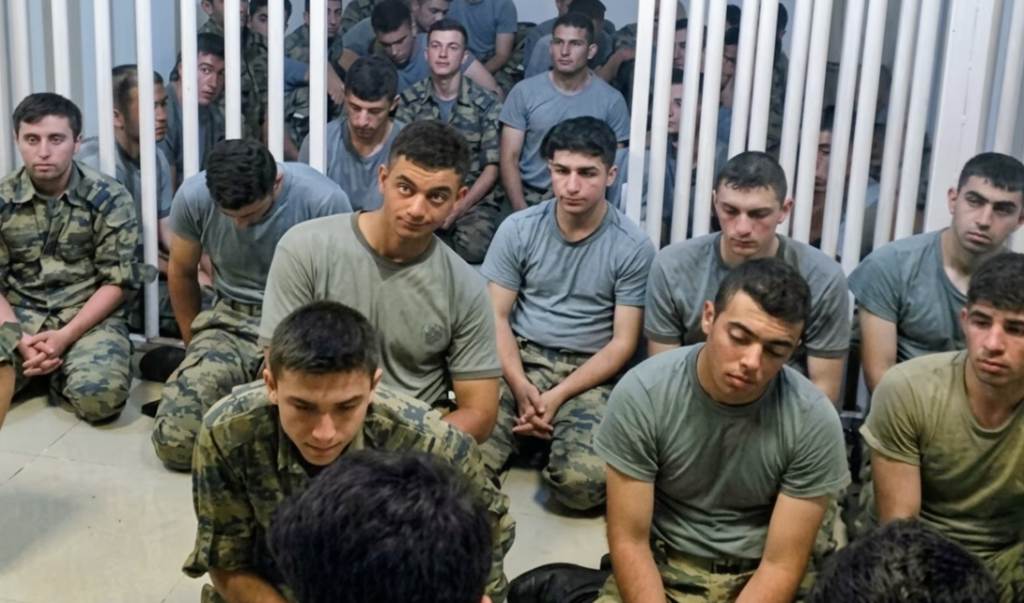
They also recall the anguish of their families, who searched police stations, hospitals and morgues after losing contact with them amid reports that soldiers had been killed on İstanbul’s Bosporus Bridge.
The abuse continued in prison, according to the documentary. Former cadet Muhammed Ali Taş says a group of around 10 guards beat him unconscious, leaving half of his face so badly swollen that he could barely recognize himself.
The former cadets say they initially believed the courts would recognize they had merely followed orders and eventually acquit them. Instead, they were handed aggravated life sentences in 2018 and began preparing for what they feared could be a lifetime in prison.
Following the coup attempt, 16,409 military cadets were expelled from their academies under emergency decrees and 355 of them were given life sentences, although some of the convictions were later overturned by the Supreme Court of Appeals.
According to the documentary, 153 former military cadets are still behind bars.
All six former cadets featured in the documentary now live abroad. They say they left Turkey not by choice but because they no longer believed they could build a future while carrying the stigma of being labeled coup participants.
“I could have stayed,” former cadet Murat Hüdavendigâr Öncü said. “But I left because I didn’t want to go through the same things again. I was forced to leave.”
Although they have rebuilt their lives abroad, the former cadets say the continued imprisonment of their classmates remains their deepest source of pain. Sönmez says the psychological scars of what they experienced have never disappeared and that they have simply learned to live with them.