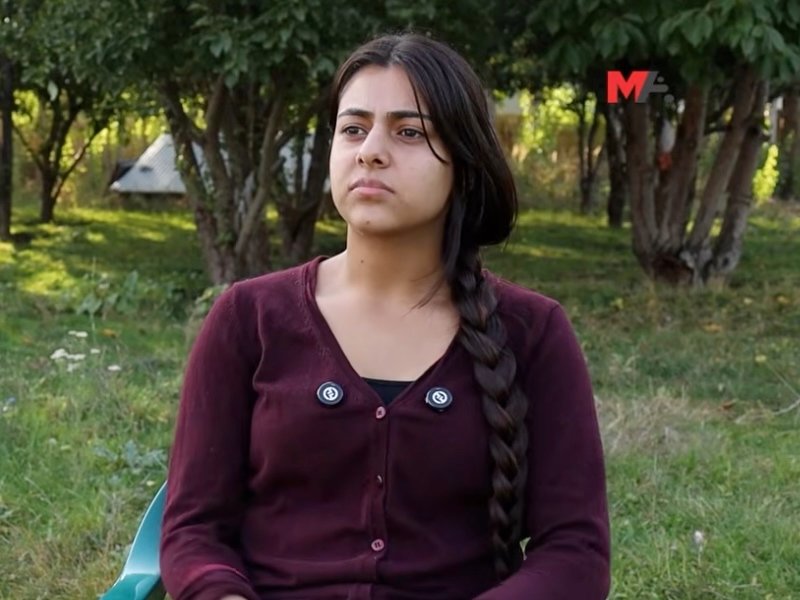
A Kurdish student who was jailed on terrorism charges as a minor and later acquitted has been unable to enroll in university because her high school counted 55 days of her pretrial detention as absences, the Mezopotamya news agency reported.
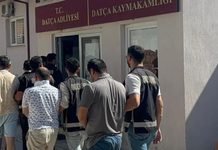
Nuda Kartal, then in her final year of high school in the eastern province of Ağrı, was detained on October 4, 2025, following a tip-off to authorities. She was subsequently jailed pending trial over alleged membership in a terrorist organization and spent 73 days in custody before being acquitted and released from Erzincan Women’s Prison.
After her release Kartal took Turkey’s university entrance examination and secured a place in the anthropology department at Van Yüzüncü Yıl University. When she tried to register, she learned that she would have to repeat her final year of high school.
Under Article 36 of Turkey’s secondary education regulations, students held in pretrial detention may miss up to 60 days of total absences, provided no more than 10 days are unexcused.
The pro-Kurdish Peoples’ Equality and Democracy Party (DEM Party) petitioned the Turkish Parliament’s Human Rights Inquiry Commission to take steps to allow Kartal to enroll at the university.
The petition questioned whether Kartal’s days in detention had been properly classified as excused or unexcused absences in the Education Ministry’s electronic school system and whether her family had received the required notifications when her absences reached 40 and 55 days. The petition also called for broader measures to protect the education rights of minors released from detention.
Kartal said she was initially held with adult women at Patnos Prison despite being under 18 and that her repeated requests to be transferred to a juvenile detention facility went unanswered. She was later transferred to Erzincan Women’s Prison, where she was held with other juvenile detainees before her release, according to her account.
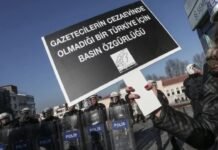
Turkey’s broadly interpreted counterterrorism laws have long drawn criticism from international bodies and human rights organizations for enabling arbitrary arrests and prosecutions and restricting fundamental freedoms. The laws have been used against journalists, Kurdish activists, opposition figures and other government critics, while minors have also been jailed on terrorism-related charges.