A Turkish appeals court has ordered a pro-government newspaper’s publisher and a journalist to pay damages to a dismissed academic over articles that revived terrorism accusations against her despite her acquittal, the Bianet news website reported Tuesday.
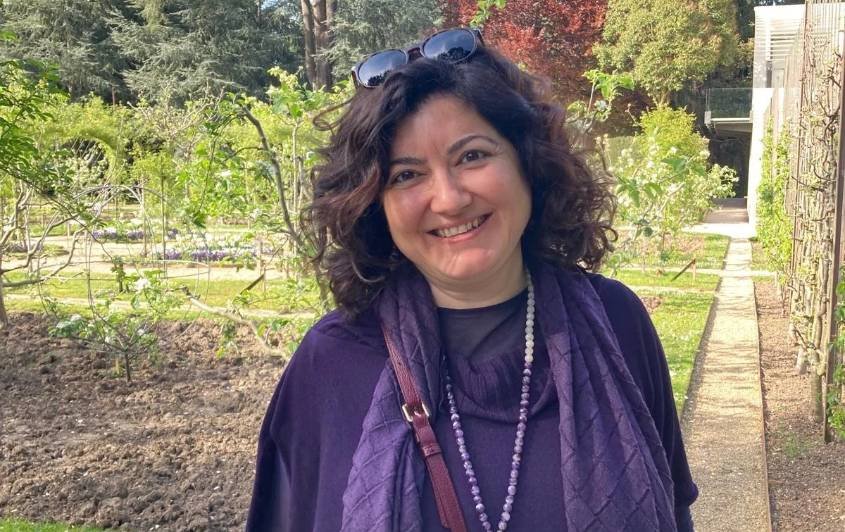
The İzmir Regional Court of Appeals ruled unanimously on October 27 that three articles published by the Yeni Asır newspaper in January 2022 violated the personal rights of political scientist Ayşen Uysal, who was dismissed from Dokuz Eylül University in 2018 for signing a petition calling for peace in Turkey’s predominantly Kurdish southeast.
The court ordered journalist Erhan Gülenç, publisher Turkuvaz Medya and company chairman Ömer Faruk Kalyoncu to pay Uysal 20,000 Turkish lira ($400) in nonpecuniary damages, plus statutory interest dating from January 18, 2022.
The ruling overturned a July 2023 decision by the İzmir 10th Civil Court of First Instance, which had dismissed Uysal’s lawsuit on the grounds that the articles concerned a matter of public interest and were protected by press freedom.
The newspaper’s articles, published on January 16, 17 and 18, 2022, questioned Uysal’s appointment to the board of Grand Plaza, a company owned by the İzmir Metropolitan Municipality, and alleged that she received payments while living in France.
However, the articles also described Uysal as a supporter of the outlawed Kurdistan Workers’ Party (PKK), an armed group designated as a terrorist organization by Turkey and its Western allies, because she had signed a 2016 peace petition. Uysal had already been acquitted of terrorism-related charges arising from the declaration.
The appeals court found that the newspaper had gone beyond legitimate scrutiny of her municipal appointment by reviving unrelated accusations stemming from the petition.
It said the articles used inflammatory language capable of generating public hostility and suspicion toward Uysal, exceeding the limits of press and expression freedoms and violating her right to protect her reputation.
The court also rejected Uysal’s request to have the judgment published in newspapers, citing the time that had elapsed and the absence of a continuing legal interest.
Uysal’s lawyer, Arif Ali Cangı, welcomed the ruling, saying the articles had seriously violated her personal rights and that the newspaper had refused to publish a response submitted on her behalf.
The controversy surrounding Uysal’s municipal appointment was also examined separately by public authorities. A 2021 audit by Turkey’s Court of Accounts questioned the appointment of two people dismissed under emergency decrees to Grand Plaza’s board, although the auditors acknowledged that the relevant legislation did not expressly prohibit such appointments.
In September 2022 the Interior Ministry authorized an investigation into allegations that Uysal received payments without attending board meetings. The authorization did not establish wrongdoing, and the appeals court’s ruling did not resolve the separate questions surrounding her appointment.
Uysal was among hundreds of academics dismissed from public employment after signing a January 2016 declaration titled “We Will Not Be a Party to This Crime,” which criticized military operations in southeastern Turkey and called for a peaceful resolution to the country’s longstanding Kurdish conflict.
The signatories, known as Academics for Peace, faced criminal investigations, prosecutions and dismissals, particularly during the state of emergency imposed following a failed coup in July 2016.
Turkey’s Constitutional Court ruled in July 2019 that punishing academics for signing the declaration violated their freedom of expression, leading to acquittals in the related criminal proceedings.
Despite those acquittals, hundreds of academics have been unable to return to their university positions, with many reinstatement cases still unresolved a decade after the petition was published.