
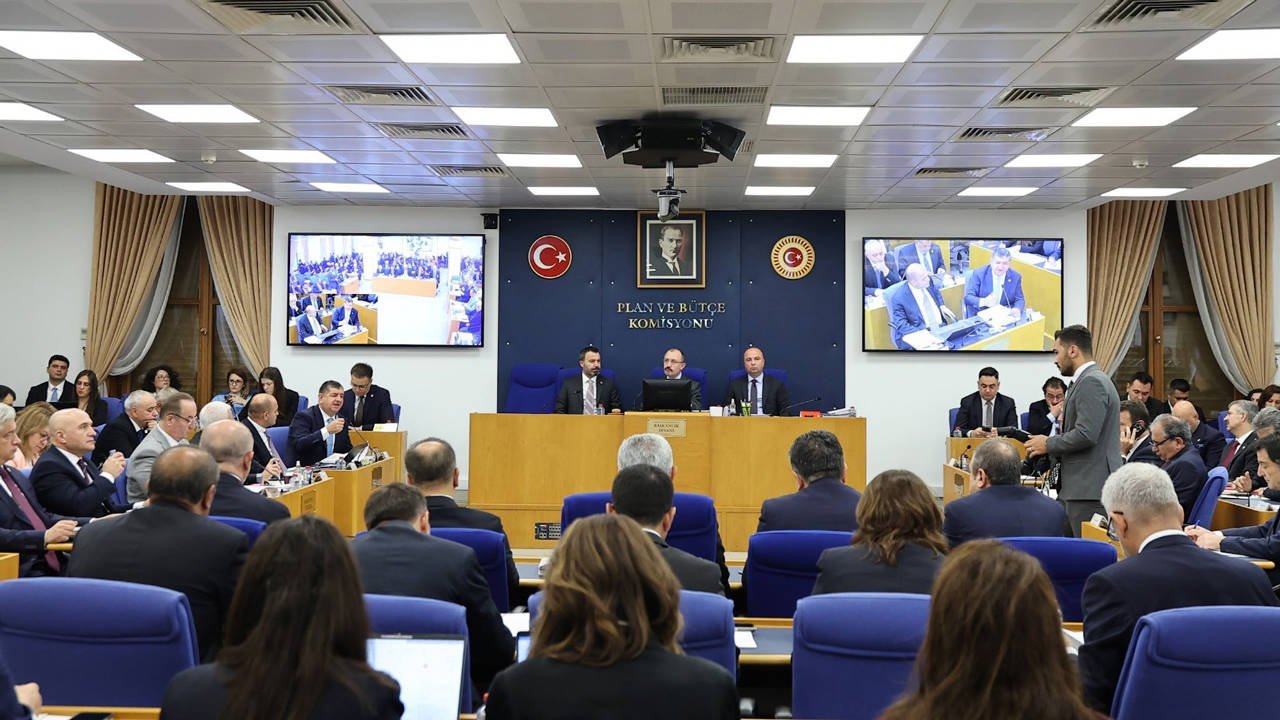
Victims of Turkey’s investment fund scandal could be denied compensation for losses caused by mistakes or negligence in selling fund assets and distributing repayments under a bill approved by a parliamentary committee early Thursday, opposition lawmakers warned.
The provision is part of a 15-article bill on energy and social security that passed parliament’s industry committee and still requires approval by the full parliament.
Criminal acts are excluded from the proposed exemption, which covers civil, administrative and financial liability and would apply retroactively to decisions and actions from September 17.
The protection would extend to people assigned duties under the fund liquidation law, banks carrying out liquidations or asset transfers and people appointed by those banks to perform the work.
The amendment would be added to a law passed last month to wind up the funds, recover money taken from them and compensate investors.
The crisis began in September when some investment funds could not meet withdrawal requests during an investigation into suspected stock manipulation.
The Capital Markets Board (SPK), Turkey’s securities regulator, ordered the liquidation of 131 funds managed by seven companies on September 17, affecting 455,758 individual investors.
Şeref Arpacı, a lawmaker from the main opposition New Party, demanded the provision’s removal during Wednesday’s committee debate, describing it as “unlimited power, zero responsibility.”
Arpacı objected to giving protection retroactively and argued that existing laws already protected public servants carrying out their duties, parliamentary records show.
Türker Ateş, a lawmaker from the Republican People’s Party (CHP), warned that excluding criminal acts did not resolve the problem because a decision could be unlawful, negligent or harmful to investors without constituting a crime.
He questioned who would compensate investors if officials made mistakes or sold fund assets below their value, and the committee rejected his proposal to narrow the exemption to banks and their staff.
Hatice Ebru Töremiş, head of legal affairs at the SPK, defended the measure, arguing that the liquidation law had given the regulator and banks duties beyond their usual powers and that existing legal protections did not cover those tasks.
Selling large volumes of shares through the stock exchange could depress prices and delay repayments, while selling them through other methods could expose banks and regulators to compensation claims over the prices obtained, she said, the ANKA news agency reported.
Töremiş also defended protection for people selling seized assets through the Savings Deposit Insurance Fund (TMSF), the state agency that administers seized businesses, arguing that suspects could later seek compensation over the sale prices.
The exemption would protect decisions connected to assigned duties and would not shield criminal acts or conduct outside those duties, she maintained.
Committee chairman Mustafa Varank, a lawmaker from President Recep Tayyip Erdoğan’s ruling Justice and Development Party (AKP), insisted that the provision concerned returning investors’ money and would have no effect on investigations into wrongdoing behind the scandal.
Erdoğan announced Wednesday that the investigation involved 500 suspects, with 136 jailed pending trial.
He added that the State Supervisory Council (DDK), an auditing body attached to the presidency, had completed its preliminary examinations earlier in the week and that his party was preparing further legislation to prevent similar crises.
This article is republished from Turkish Minute.