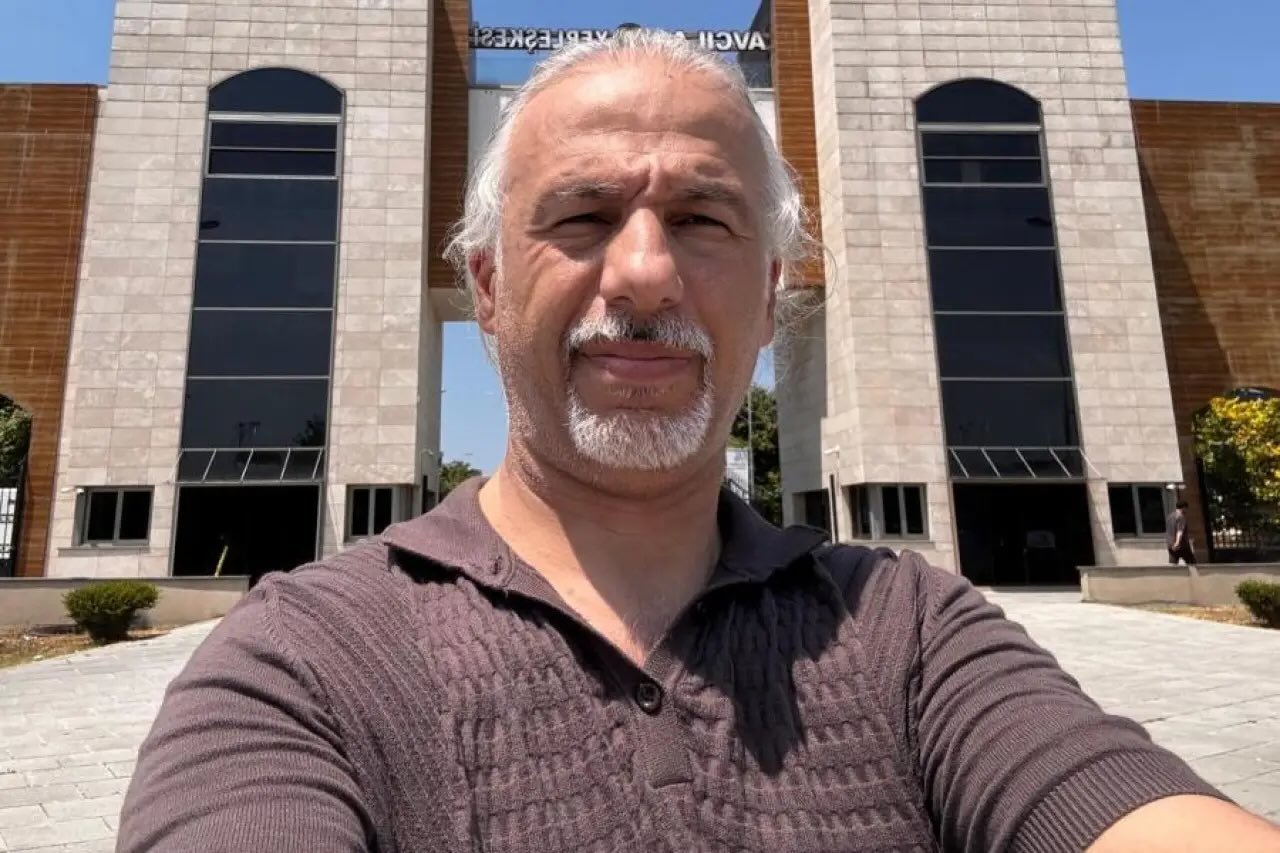
A Turkish academic who was dismissed under an emergency decree for signing a peace petition in January 2016 said he faced workplace harassment and obstacles to teaching and scientific research after returning to his former university, the Evrensel daily reported.
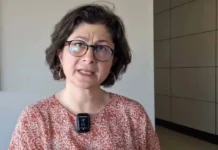
Associate professor Savaş Karabulut, a seismologist at İstanbul University-Cerrahpaşa, said he had been forced to teach a doctoral course in a room without desks, chairs or a board, sometimes continuing the lesson in a corridor.
The petition, titled “We Will Not Be a Party to This Crime,” called for an end to military operations in Turkey’s predominantly Kurdish southeast and a negotiated settlement of the Kurdish issue, a longstanding dispute over Kurdish political and cultural rights. The signatories became known as the Academics for Peace.
Karabulut was dismissed from İstanbul University under a state-of-emergency decree on October 29, 2016. He said authorities never provided concrete evidence to justify his dismissal, which kept him out of public employment for five years and disrupted his academic career.
He returned to public employment in 2021 and worked at Gebze Technical University before rejoining İstanbul University-Cerrahpaşa on April 27, 2026, following further legal proceedings.
Data released by Academics for Peace in September showed that 406 signatories were dismissed from public service under emergency decrees issued between 2016 and 2018.
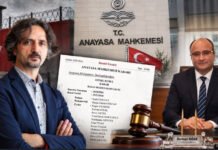
Turkey’s Constitutional Court ruled in July 2019 that convicting academics for signing the petition violated their right to freedom of expression. The ruling paved the way for acquittals in criminal cases but did not automatically reverse their dismissals from public employment. Those seeking reinstatement had to pursue separate administrative cases.
Karabulut said he was left without an office for 73 days after returning to the university. He was eventually assigned one following a move to new buildings but said, unlike other academics, he was not allowed to choose his workspace and that the facilities remained inadequate for his teaching and research.
Karabulut also accused colleagues of insulting and intimidating him during departmental meetings after he questioned administrative procedures. He said he had filed complaints with the department, dean’s office and rector’s office but had not received satisfactory responses.
Karabulut said the university’s new administration had asked him to wait while the problems were addressed. He called for concrete action and urged fellow academics, professional organizations and labor unions to support his efforts to teach and conduct research without harassment.
On July 3 İbrahim Akın, a lawmaker from the pro-Kurdish Peoples’ Equality and Democracy Party (DEM Party), submitted a parliamentary question about Karabulut’s allegations of workplace harassment and inadequate working conditions at the university. Parliamentary records show that the question remains unanswered.