
Turkey’s broadcasting regulator on Wednesday fined two television stations for the second time in less than two weeks over coverage of a jailed journalist and a major investment fund scandal, prompting criticism from a regulator member, who said the repeated penalties restricted press freedom, İlke TV reported.
The Radio and Television Supreme Council (RTÜK) imposed fines of 1 percent of the previous month’s advertising revenue on Sözcü TV and 2 percent on Koza TV, citing violations of broadcasting rules requiring impartiality, accuracy and truthfulness.
The penalties came 12 days after the regulator fined both broadcasters the maximum 3 percent of their previous month’s advertising revenue over programs discussing alleged connections between government officials and individuals implicated in the investment fund scandal.
Sözcü TV, a broadcaster critical of the government of President Recep Tayyip Erdoğan, was penalized over the October 25 broadcast of a weekend news program hosted by journalist Simge Fıstıkoğlu.
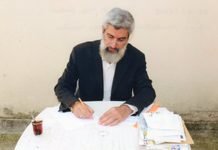
The program discussed the arrest of investigative journalist Murat Ağırel and allegations involving Osman Gökçek, a lawmaker from Erdoğan’s ruling Justice and Development Party (AKP).
RTÜK said the broadcast created the impression that Ağırel had been jailed because of his journalistic activities, without providing sufficient evidence to support that conclusion. The regulator also accused the program of presenting unverified allegations concerning Gökçek in a manner that prevented viewers from forming an informed opinion.
Ağırel was jailed pending trial on October 19 as part of a money laundering investigation involving relatives of opposition lawmaker Mustafa Sarıgül. Prosecutors accused him of aiding a criminal organization without having membership in it.
Ağırel denied wrongdoing, saying he had been examining allegations brought to his attention by sources but had postponed publication because he could not verify the supporting documents. At the time of his detention, he was already under house arrest in a separate investigation concerning his reporting on the investment fund scandal.
Koza TV was fined over the October 21 and 23 broadcasts of “Doğrusunu İstersen” (If You Want the Truth), a political discussion program hosted by journalist Evren Özalkuş.
The programs featured comments about the investment fund investigation by Yüksel Selçuk Türkoğlu, a lawmaker from the opposition İYİ (Good) Party, and Özgür Karabat, a lawmaker from the opposition New Party.
RTÜK accused Özalkuş of failing to challenge or correct unverified allegations made by the politicians, including claims that an organized fraud scheme involved people responsible for overseeing the financial system. The regulator said the presenter appeared to endorse the statements, violating broadcasting standards governing accuracy and impartiality.
RTÜK member Tuncay Keser, who opposed the sanctions, criticized the decisions in a post on X, saying repeated penalties against television stations covering the investment fund scandal, along with restrictions on access to related news, were undermining the public’s right to information and freedom of the press.
Keser argued that treating political commentary on television discussion programs as factual reporting subject to strict verification requirements violated the principle of pluralism and the regulator’s obligation to protect diverse opinions.
He also criticized the sanction against Sözcü TV, saying it disregarded Ağırel’s presumption of innocence and interfered with freedom of political debate.
The latest fines follow the regulator’s October 16 decision to penalize the same broadcasters over programs discussing alleged financial connections between political figures and people implicated in the investment fund scandal.
Those broadcasts included allegations concerning Trade Minister Ömer Bolat’s investments and questions about photographs showing AKP spokesman Ömer Çelik at a public event attended by a suspect in the investigation. Bolat denied wrongdoing and filed a criminal complaint against the journalists who discussed the allegations.
The investment fund crisis erupted in mid-September when several funds, which pool investors’ money to purchase stocks and other assets, were unable to meet withdrawal requests amid investigations into suspected market manipulation.
Turkey’s Capital Markets Board (SPK), the country’s securities regulator, ordered the liquidation of 131 funds managed by seven companies on September 17, requiring their assets to be sold to repay investors. The funds had nearly half a million individual investors, although some have since received payments.
The scandal has also led to criminal investigations targeting journalists who reported on alleged political connections to the funds.
Journalists Şaban Sevinç and Mustafa Balcı were jailed pending trial on October 9 on accusations of publicly disseminating misleading information, while Ağırel and fellow journalist İsmail Saymaz were put under house arrest the following day in a separate investigation concerning their reporting.
The Committee to Protect Journalists (CPJ), a New York-based press freedom organization, called for their release and urged Turkey to repeal its disinformation law, warning that the growing number of journalists detained or prosecuted over their reporting threatened independent journalism.