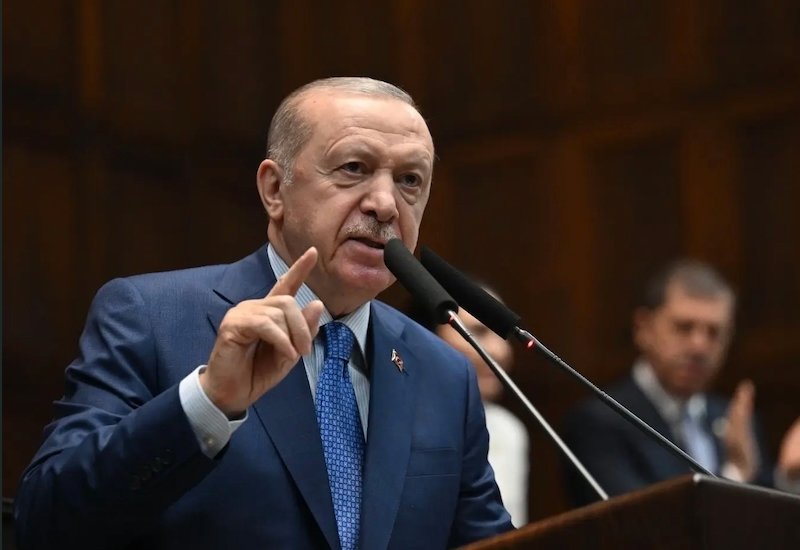
Turkish President Recep Tayyip Erdoğan warned on Monday that Turkey would not “surrender to the streets,” cautioning opponents against taking inspiration from a wave of protests across Europe over the high cost of living, education, housing and corruption.
The warning came after a cabinet meeting in Ankara and was repeated in a post on X, where Erdoğan targeted those “dreaming of a similar attempt” after being encouraged by events in European countries.
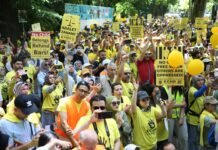
Erdoğan’s remarks followed weeks of demonstrations in France and Albania, along with protests in Italy, Belgium, Spain and Portugal, where grievances over public services, wages and housing have brought students and workers into the streets.
In France protests that began over teacher shortages and school conditions have developed into demonstrations against the rising cost of living and inequality. Some 410,000 people participated in Saturday’s marches, according to the French Interior Ministry, which deployed 70,000 police officers. Unions have called for further demonstrations and a November 5 strike, Reuters reported.
The French government on Monday promised changes to university admissions, more teaching positions and funding for school renovations. Student representatives welcomed some concessions but called for protests to continue. The announcements followed clashes, fires and looting during October 17 demonstrations in which hundreds of thousands also marched peacefully.
In Albania, student-led demonstrations over education, unemployment and allegations of corruption have developed into demands for Prime Minister Edi Rama’s resignation. Protesters returned to the streets of Tirana on Sunday despite new government measures to curb unrest. The demonstrations follow months of protests against a coastal development backed by US President Donald Trump’s son-in-law Jared Kushner.
Italy has seen student demonstrations and transport blockades over education and fuel costs, while students and workers in Belgium have protested education policies and austerity measures. Housing costs have fueled demonstrations and protest encampments in Spain and Portugal, where marchers have also demanded higher wages and pensions.
Separately, a student-backed movement defeated the governing alliance of Serbia’s longtime leader Aleksandar Vučić in Sunday’s parliamentary elections after nearly two years of protests against corruption.
Erdoğan coupled his warning about demonstrations with accusations against critics of his government’s record on freedom of the press.
“Those attacking our government on the pretext of press freedom should come forward and explain their distorted and dirty relationships, if they can, before trying to cover up crimes through demonstrations,” he wrote.
He also accused opponents of threatening journalists and media organizations at rallies, arguing that they could not lecture his government about press freedom.
“We have no problem with either press freedom or critical voices,” Erdoğan said, adding that people could speak and publish freely as long as their statements contained no insults, lies or disinformation.
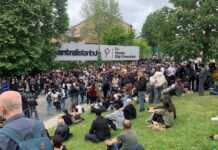
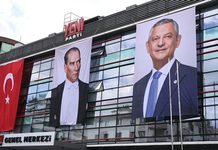
His remarks followed an October 21 rally outside Halk TV, a broadcaster critical of his government, where main opposition leader Özgür Özel urged supporters to take to the streets against the appointment of trustees to the station.
Özel denied accusations from the pro-government broadcaster A Haber that he was seeking unrest, insisting that he was calling for demonstrations and resistance rather than violence.
Police raided Halk TV’s İstanbul headquarters on October 14 and halted its live broadcasts during an investigation into its owner, Cafer Mahiroğlu, over allegations of bribery, bid rigging and money laundering. The state-run Savings Deposit Insurance Fund (TMSF) was appointed to manage the broadcaster and companies linked to him. Mahiroğlu denied the accusations.
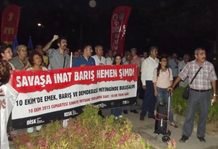
Journalists and supporters also marched on Saturday against the imprisonment of reporters, media takeovers and restrictions on access to news websites and social media accounts.
Turkey’s last wave of nationwide protests began after the detention and subsequent jailing of İstanbul Mayor Ekrem İmamoğlu, the main political rival of President Erdoğan, in March 2025. Police detained protesters and journalists, while governors banned gatherings. A joint statement by 15 rights and media freedom organizations condemned police violence against what they described as overwhelmingly peaceful demonstrations.
Turkey ranks 163rd among 180 countries in the 2026 World Press Freedom Index compiled by Reporters Without Borders (RSF), which estimates that 90 percent of national media outlets are under government control.
This article is republished from Turkish Minute.