Turkish prosecutors have launched a criminal investigation into a lawyer and constitutional law professor over remarks he made during an İstanbul Bar Association election criticizing judges who disregard Constitutional Court rulings and issue what he described as arbitrary pretrial detention orders.
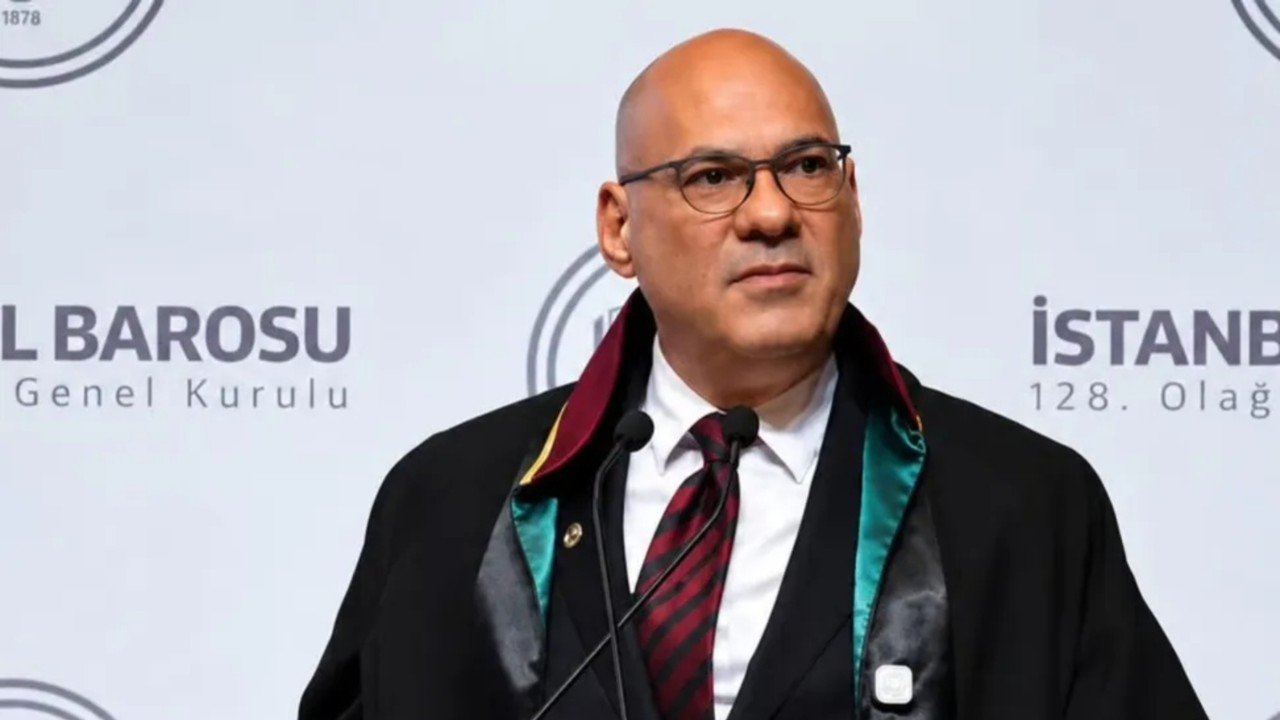
The İstanbul Chief Public Prosecutor’s Office announced on October 26 that it had opened the investigation into Osman Korkut Kanadoğlu, who ran for president of the association, which represents lawyers in Turkey’s largest city, at its general assembly on October 24-25.
Prosecutors said the investigation was initiated on their own initiative after considering the content and context of Kanadoğlu’s remarks but did not specify which statements were considered potentially criminal or identify any suspected offense.
Kanadoğlu, who ran as the candidate of the Lawyers’ Rights Group, criticized judges who fail to comply with decisions of Turkey’s Constitutional Court, the country’s highest court for constitutional review, as well as judges whom he accused of ordering arbitrary pretrial detention.
“We are taking note of each of you individually. We are monitoring every decision you make. We are documenting those decisions,” Kanadoğlu said, addressing judges during his speech.
He also warned judges and prosecutors who believed they could disregard the law and mistreat lawyers and citizens without facing consequences that they would be held accountable.
Kanadoğlu told the Cumhuriyet newspaper that he had learned about the investigation through social media and had not received any official notification.
He denied that his remarks constituted a criminal offense, saying they were intended to draw attention to the failure of some Turkish courts to implement Constitutional Court decisions.
“My speech was entirely within the scope of freedom of expression,” Kanadoğlu said, adding that he had spoken out of his responsibility as a legal scholar and lawyer.
The Republican Forces Alliance, a group of lawyers whose candidate, Ümit Kocasakal, won the İstanbul Bar Association’s presidential election on October 25, also criticized the investigation, arguing that Kanadoğlu had been fulfilling his professional responsibilities.
The group cited Articles 58 and 59 of Turkey’s Attorneyship Law No. 1136, which it said required Justice Ministry authorization for criminal investigations into lawyers over activities related to their professional duties.
It argued that Kanadoğlu’s remarks amounted to general criticism of judicial practices rather than accusations against specific individuals and could not constitute a criminal offense.
The group described the investigation as an interference with freedom of expression and an attempt to intimidate lawyers, pledging support for Kanadoğlu despite having competed against him in the bar election.
The investigation comes amid disputes over the refusal of some Turkish courts to implement binding Constitutional Court decisions.
In a decision published earlier this month, the Constitutional Court warned that lower courts’ refusal to implement its judgments could plunge Turkey’s legal system into “chaos,” reaffirming that courts have no authority to disregard its rulings.
The decision concerned jailed urban planner Tayfun Kahraman, whose retrial the Constitutional Court had ordered after finding violations of his constitutional rights. The İstanbul 13th High Criminal Court had refused to implement the ruling.
The İstanbul Bar Association has also faced legal proceedings over its public statements concerning human rights and judicial accountability.
In January an İstanbul court acquitted then-bar president İbrahim Özden Kaboğlu and 10 executive board members of terrorism-related charges stemming from a December 2024 statement calling for an investigation into the killing of two journalists in northern Syria.
The prosecution had sparked criticism from international human rights and legal organizations, which warned that criminal proceedings against bar association officials threatened the independence of the legal profession and freedom of expression.