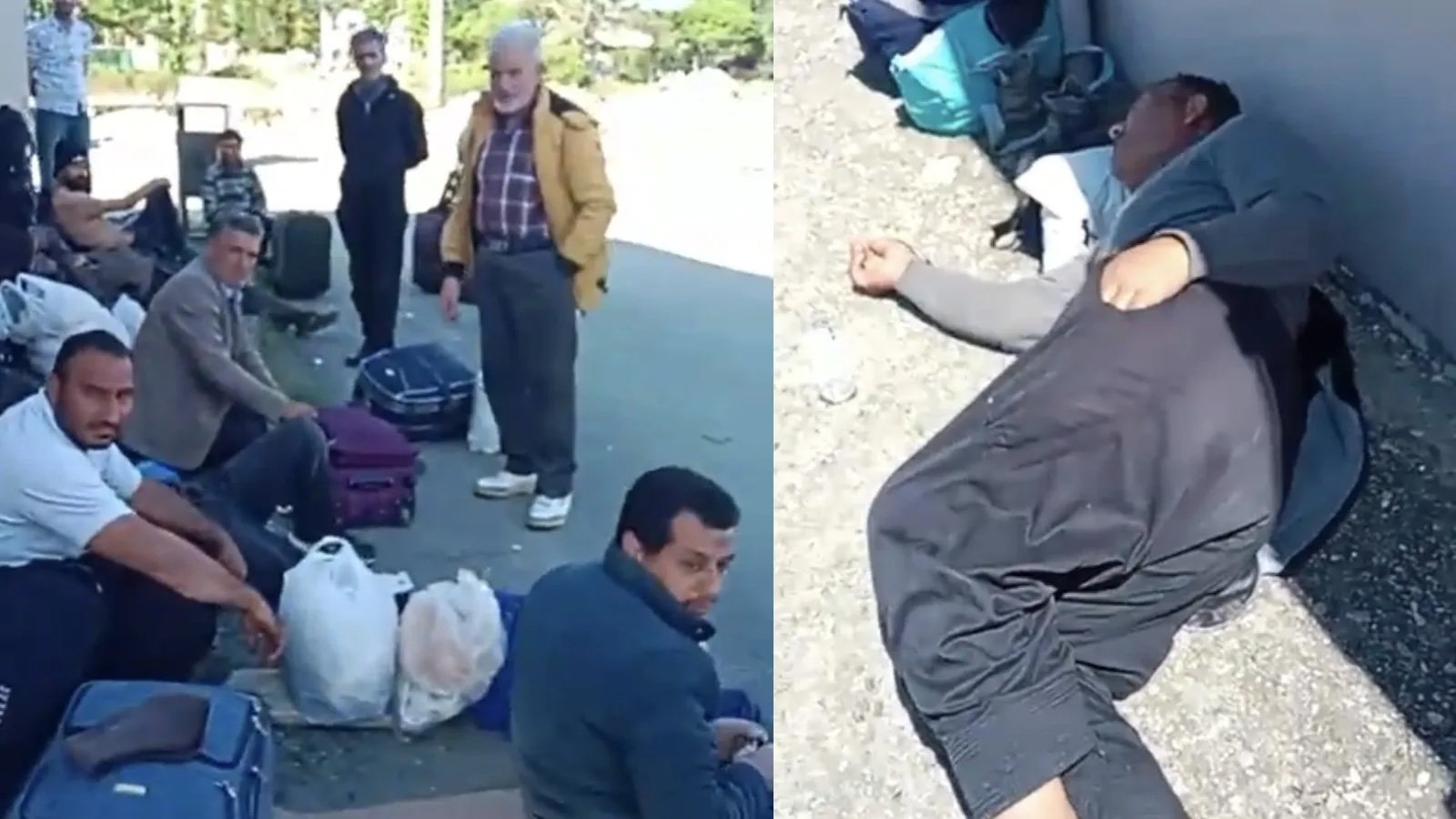
Thirty Iranian seasonal workers, including women, were allegedly beaten in Turkey’s northeastern Rize province after demanding unpaid wages, the Birgün daily reported, citing the ANKA news agency.
The workers who had traveled to the Çayeli district for a 15-day tea harvest were allegedly housed in poor conditions at an industrial site and paid 1,100 lira (about $24) a day despite a reported daily rate of 3,000 to 4,000 lira for tea harvesting .
After the workers demanded the rest of their pay, they argued with a labor contractor identified only by the initials M.Y., who allegedly called about 15 men to the site and joined them in attacking the workers.
The injured workers were later left at the Çayeli bus terminal, where a local bus driver alerted the police, who took the workers to a police station to give statements. Some of the workers were transported to hospitals in Rize and Çayeli for treatment, while others spent two days at the terminal due to a lack of accommodation.
One worker who suffered a broken jaw was transferred to a university hospital in the neighboring province of Trabzon but reportedly returned without treatment after being unable to pay the requested fee of 130,000 Turkish lira (about $3,300).
The workers were later taken to the eastern Doğubayazıt district in Ağrı province before returning to Iran.
The labor contractor was detained and later released under judicial supervision after testifying to prosecutors, while none of the alleged assailants had been taken into custody.
Çayeli District Governor Sertaç Kırçuval said a judicial investigation had been launched into the incident.
Abdullatif Kömürcü, the district chair of the ruling Justice and Development Party (AKP), said the case could also involve elements of human trafficking. He suggested that some of the workers may have withheld information in their statements to the police and could have been subjected to intimidation or threats.
Turkey’s labor landscape has long been marred by systemic exploitation, especially of migrant laborers. Reports of wage theft, hazardous working environments and physical violence are widespread. Migrant workers, often undocumented or employed without contracts, face heightened risks due to limited access to justice, fear of deportation and exclusion from union protections.
According to the Health and Safety Labor Watch (İSİG) 91 migrant workers died in occupational accidents in 2025 according to the information gathered from national and local media, workplace doctors, trade unions and workers’ families. Many workplace accidents allegedly go unrecorded in Turkey, and some injuries are reportedly classified as “individual accidents” in private hospitals to avoid official scrutiny.