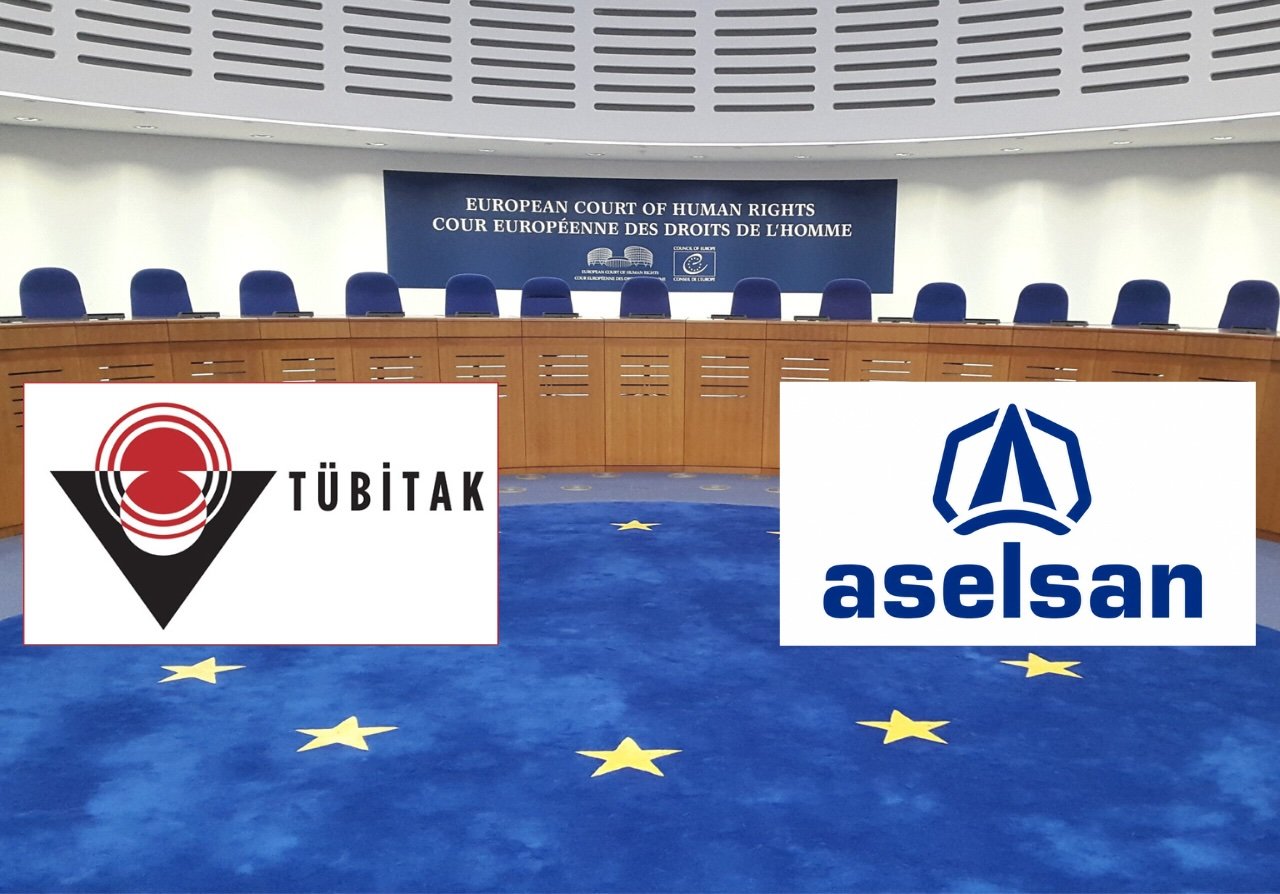
The European Court of Human Rights (ECtHR) has communicated to the Turkish government questions regarding applications alleging rights violations in the dismissal of a group of employees during the state of emergency declared after a coup attempt in 2016.
The court asked Turkey whether domestic courts had carried out effective judicial review of the dismissals and whether the proceedings had complied with fair trial guarantees. It also asked whether the dismissals amounted to an unjustified interference with the applicants’ right to respect for private and family life. The questions were communicated to the Turkish government on May 13, with the documents made public on Monday.
The applicants, 18 former employees of TÜBİTAK, the Scientific and Technological Research Council of Turkey, and ASELSAN, the country’s leading defense electronics contractor, were dismissed without compensation in the aftermath of the coup attempt on grounds of “just cause” or “suspicion.”
The applications mainly allege violations of the right to a fair trial under Article 6 of the European Convention on Human Rights (ECHR), while several applicants also raised complaints under Article 8, which guarantees the right to respect for private and family life.
Turkish labor courts and regional appeals courts upheld the dismissals based on emergency decree-laws or ongoing criminal proceedings, while the Turkish Constitutional Court rejected the applicants’ claims as ill-founded or incompatible with constitutional provisions.
The applicants argued that courts failed to conduct effective judicial review of the grounds for their dismissal and denied them the opportunity to adequately challenge the allegations. Several applicants said their dismissals were linked to their private lives and had severe consequences on their professional and social reputations.
The ECtHR previously ruled in February that Turkey had violated the right to a fair trial of Mehmet Kandemir, a former TÜBİTAK employee, after domestic courts had failed to carry out an effective judicial review when upholding the dismissal after the coup attempt.
Turkey experienced a controversial military coup attempt on the night of July 15, 2016. President Recep Tayyip Erdoğan immediately accused the Gülen movement, inspired by the late US-based cleric Fethullah Gülen, of orchestrating the plot and significantly expanded a crackdown already underway on the movement’s supporters. The movement strongly denies involvement in the coup attempt or any terrorist activity.
The abortive putsch left 251 people dead and more than a thousand injured. The next morning the Turkish government immediately started a wide-ranging purge of military officers, judges, police officers and other government officials. According to official figures, 150 of the Turkish Armed Forces’ 326 generals and admirals and more than 24,000 officers as well as 4,156 judges and prosecutors were summarily removed from their jobs by emergency decree-laws for alleged ties to “terrorist organizations.”
According to the latest figures from the justice ministry, more than 126,000 people have been convicted of alleged links to the movement since 2016, with 11,085 still in prison. Legal proceedings are ongoing for over 24,000 individuals, while another 58,000 remain under active investigation nearly a decade later.