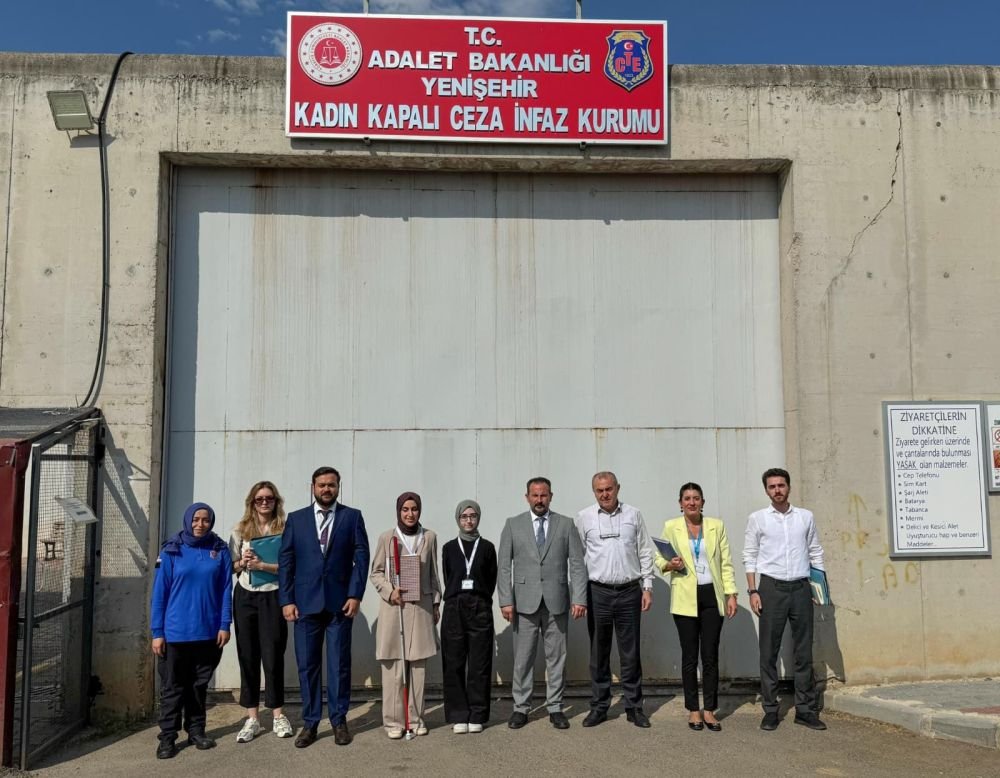
Children living with their incarcerated mothers in a women’s prison in Bursa province face risks including malnutrition and developmental problems due to poor living conditions, according to a report by Turkey’s Human Rights and Equality Institution (TİHEK), the TR724 news website reported.
The TİHEK inspection report on the Bursa Yenişehir Women’s Closed Prison found that accommodation, nutrition and hygiene conditions could pose risks to the health and safety of 25 children between the ages of 0 and 6 who live with their mothers. Opportunities supporting their physical and psychological development were also inadequate, according to the report.
The team reported that child-sized beds and cribs were available only for an additional fee, forcing many children to sleep in the same beds as their mothers, which could negatively affect their development.
Inmates also complained to the team that food provided for children was insufficient. A doctor participating in the inspection said some children showed signs consistent with malnutrition based on their physical appearance. Prison authorities said the lack of refrigerated storage facilities in the prison canteen limited the variety of food products available.
The report further cited concerns about hygiene and safety conditions in prison wards, bathrooms and toilets, saying they could endanger children’s health and well-being.
The team also documented complaints about children’s limited access to age-appropriate toys and educational materials. The prison’s daycare facility, consisting of a single room, operates only during the academic year and remains closed during summer vacation and other breaks. The report warned that prolonged deprivation of educational and social activities could adversely affect children’s psychosocial development.
Although assistance with clothing had previously been provided through the Turkish Red Crescent and civil society groups, inmates told the team, many of the clothes were unsuitable for seasonal conditions, while some consisted of used garments left behind by released or transferred inmates.
A total of 891 children under the age of six are living with their mothers in prison in Turkey.
Human rights groups have long criticized Turkish prisons for various human rights violations stemming from overcrowding and insufficient accountability.
Turkey along with France has the highest levels of prison overcrowding among Council of Europe member states. The total prison population in Turkey has reached 412,991, as of March 2026, exceeding official capacity by 35 percent, according to the Civil Society in the Penal System (CİSST). That figure represents a sevenfold rise since 2002, when the ruling Justice and Development Party (AKP) came to power.