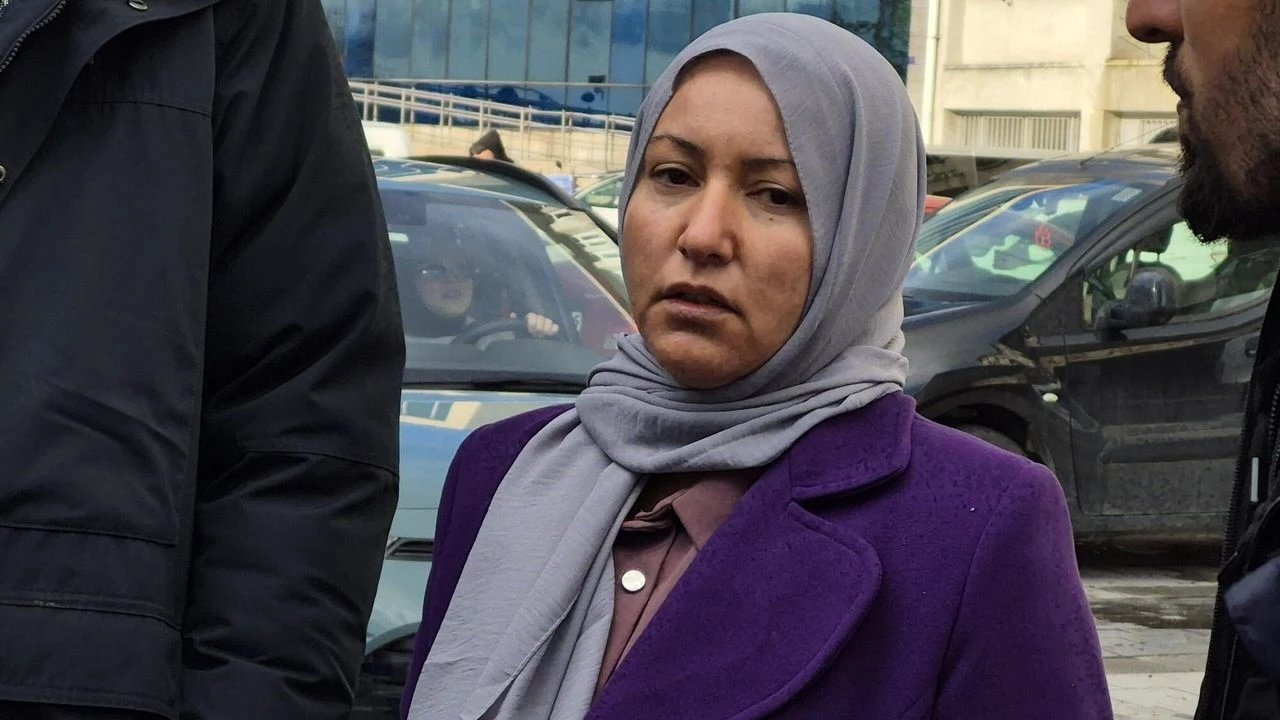
Qamer Gül Nourtani, the widow of an Afghan migrant worker whose burned body was found in a forest in northwestern Zonguldak province in 2023, has said her family has been left without documents, healthcare or state assistance since her husband’s death, the İlke TV news website reported.
Her husband, Vezir Mohammed Nourtani, 50, was working in an unlicensed coal mine when he was injured. Rather than take him to a hospital, which would have exposed the illegal operation, the mine operators carried him to a forest and set his body on fire, believing he was already dead.
A forensic report later found that Nourtani had still been breathing when he was burned. Investigators also identified leg fractures inconsistent with a mining accident, pressure marks on his neck and internal bleeding consistent with strangulation. A missing kidney also raised suspicions of organ theft.
Six people were convicted in April 2025 on charges of negligent manslaughter and evidence tampering and received prison sentences ranging from one to five years. Rights groups that described the case as one of the most disturbing examples of migrant worker exploitation in Turkey’s recent history condemned the verdicts as being too lenient.
Qamer Gül described the hardship her family has faced in the aftermath of the killing, saying, “My hair turned white and started falling out. I have headaches. The children have lost hope. We are all just trying to cope.”
His family’s identification documents were later revoked, leaving them without access to healthcare and other basic services. “Because our IDs were cancelled, we could not go to the hospital during this time. We struggled constantly with illness,” Qamer Gül said.
An application for international protection status filed after her husband’s death was rejected, while the family’s unresolved legal status has prevented them from receiving assistance. “They tell us we are subject to deportation. Because of that, I cannot even apply for support,” she said.
Qamer Gül now works irregular jobs, washing dishes at restaurants and cleaning homes when work is available.
Aid the family once received has also dried up. The Turkish Red Crescent stopped providing food packages six months ago, she said. Although the family received a sack of coal at the beginning of winter, no additional fuel assistance followed, forcing them to rely on an electric heater that resulted in high utility bills.
Two of her three children have disabilities. Her younger son, 15-year-old Ali Reza, has hearing loss and a speech impairment, while her elder son Seyed Mohammed needs a prosthetic leg.
“None of our affairs have been sorted out. Our IDs have not been resolved. Other assistance we were expecting has not come,” said Qamer Gül, calling for state support for her family.
According to the Health and Safety Labor Watch (İSİG) 91 migrant workers died in occupational accidents in 2025 according to the information gathered from national and local media, workplace doctors, trade unions and workers’ families. Many workplace accidents allegedly go unrecorded in Turkey, and some injuries are reportedly classified as “individual accidents” in private hospitals to avoid official scrutiny.