Turkish prosecutors are seeking up to 15 years in prison for engineer Baki Açıkel over his alleged role in US-based education and civic organizations that prosecutors say were linked to the faith-based Gülen movement, Turkish Minute reported.
The Ankara Chief Public Prosecutor’s Office filed the indictment against Açıkel as part of Turkey’s long-running crackdown on people accused of affiliation with the faith-based movement inspired by the late Turkish Islamic scholar Fethullah Gülen.
Açıkel is the brother of Fethi Açıkel, a lawmaker from the main opposition Republican People’s Party (CHP), Turkey’s second-largest party and the main rival of President Recep Tayyip Erdoğan’s ruling Justice and Development Party (AKP).
The indictment accuses Açıkel of having roles in US-based civic and educational organizations that prosecutors claim were linked to the movement. It said he served as board secretary of the Pennsylvania Dialogue Forum between 2004 and 2006 and as president of the New Jersey-based Raritan Turkish American Foundation.
Prosecutors also alleged that Açıkel was involved in overseas education activities connected to the movement and was listed in tax filings of the Truebright Science Academy Charter School as president in 2013, 2014 and 2017 and as a member in 2015. The indictment identified him as one of the school’s founders and board members.
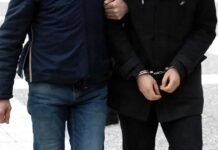
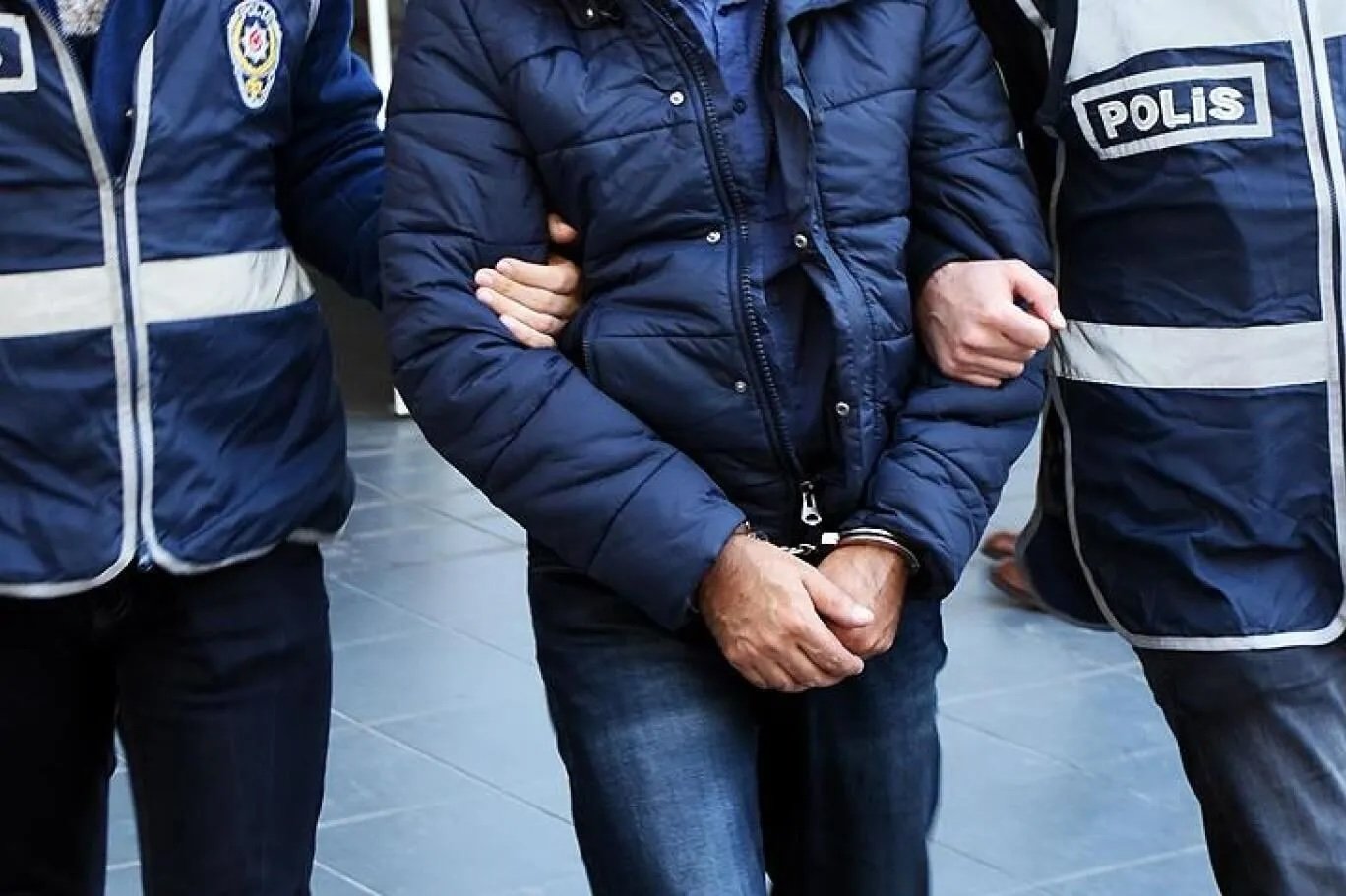
Açıkel was detained in Turkey on March 15 after authorities opened an investigation into his activities.
The indictment also cited findings from Turkey’s Financial Crimes Investigation Board (MASAK), which said Açıkel opened an account with a deposit of $100,000 at Bank Asya in February 2014. Turkish courts have treated deposits at the now-closed lender as evidence in many Gülen-linked prosecutions, although the bank was operating legally at the time and ordinary banking activity has been criminalized.
Witness testimony included in the indictment alleged that Açıkel maintained contact with a senior figure in the movement’s US network and played a role in organizing and managing school projects.
Turkish authorities have treated ties to schools, associations, foundations, media outlets, businesses and charities linked to the Gülen movement as evidence of wrongdoing. Critics say many prosecutions rely on lawful activity, financial records, employment history, witness statements and association membership.
The case comes as Turkey continues to detain people over alleged Gülen links nearly 10 years after a failed coup in July 2016. This month police detained 60 people, including doctors and civil servants, in two operations across multiple provinces. Some were accused of providing financial support to families of people jailed or dismissed from public-sector jobs over alleged links to the movement.
In another April operation police detained 42 people, most of them women, over accusations that they provided Ramadan aid to families affected by the crackdown.
Erdoğan has targeted followers of the Gülen movement since corruption investigations in December 2013 implicated members of his government and inner circle. He dismissed the investigations as a Gülenist conspiracy. He later designated the movement as a terrorist group in May 2016.
The crackdown intensified after the July 2016 coup attempt, which Ankara accuses the Gülen movement of orchestrating. Gülen, who died in the US in 2024, and the movement denied involvement in the coup attempt or any terrorist activity.
According to the Justice Ministry, more than 126,000 people have been convicted over alleged links to the movement since 2016, with 11,085 still in prison.
Thousands of people have left Turkey to escape prosecution, dismissal from public-sector jobs, passport cancellations, asset seizures and social stigma linked to the post-coup crackdown.