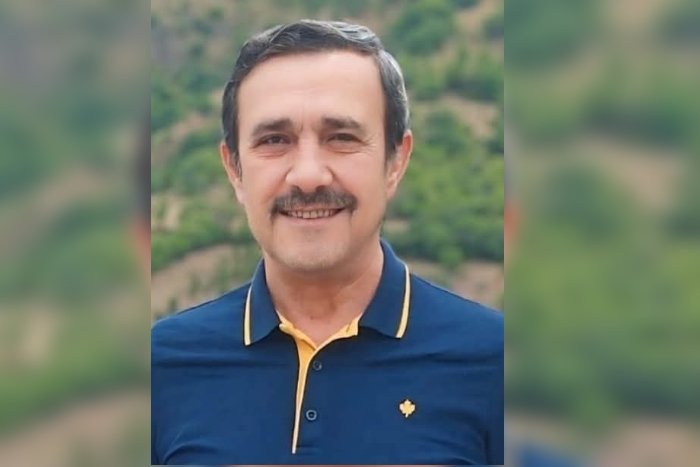
A 67-year-old man died by suicide in Ankara late Monday after years of fallout from a coup attempt in Turkey in 2016, including dismissal from public service, 20 months in jail and life sentences imposed on his two sons in coup-related cases.
Hasan Balcı, a former employee of the Atatürk Supreme Council for Culture, Language and History, was found dead in his home, according to human rights defender and Peoples’ Equality and Democracy Party (DEM Party) lawmaker Ömer Faruk Gergerlioğlu.
In a social media post Gergerlioğlu said Balcı’s psychological condition had deteriorated after his dismissal, imprisonment and the prosecution of his family members, adding that “the burden became unbearable.”
Balcı was dismissed from his job under emergency decrees introduced after the 2016 coup attempt. He was arrested in September 2016 and held in pretrial detention for about 20 months before later being acquitted in 2018.
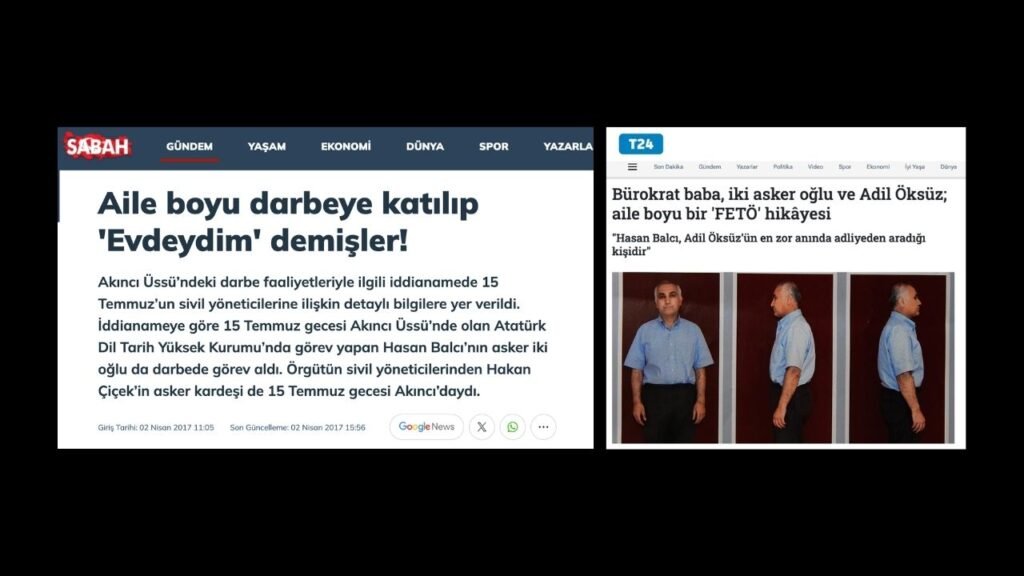
His two sons, both former military officers, were convicted on coup-related charges and sentenced to life in prison. Pro-government media outlets also portrayed the family as collectively involved in the failed coup, deepening the stigma they faced.
Turkey experienced a controversial military coup attempt on the night of July 15, 2016, which, according to many, was a false flag operation aimed at entrenching the authoritarian rule of President Recep Tayyip Erdoğan by rooting out dissidents and eliminating powerful actors such as the military in his desire for absolute power.
Following the failed coup, the Turkish government declared a state of emergency (OHAL) that remained in effect until July 19, 2018. During this period, the government carried out a purge of state institutions under the pretext of an anti-coup fight by issuing a number of government decrees, known as KHKs. Over 130,000 public servants, including 4,156 judges and prosecutors, as well as more than 24,000 members of the armed forces were summarily removed from their jobs for alleged membership in or relationships with “terrorist organizations” by emergency decree-laws subject to neither judicial nor parliamentary scrutiny.
Former public servants were not only fired from their jobs but also banned from working again in the public sector and getting a passport to seek employment abroad. The government also made it difficult for them to work formally in the private sector. Notes were put on the social security database about dismissed public servants to deter potential employers.
Balcı was also accused of ties to the faith-based Gülen movement.
Turkish President Erdoğan has targeted followers of the Gülen movement, inspired by the late Muslim cleric Fethullah Gülen, since corruption investigations in December 2013 implicated him as well as some members of his family and inner circle. He dismissed the probes as a Gülenist conspiracy and later designated the movement as a terrorist organization in May 2016, intensifying a sweeping crackdown after the coup attempt in July of the same year that he accused Gülen of orchestrating. The movement denies involvement in the coup attempt or any terrorist activity.
Gergerlioğlu said Balcı would be buried in the Hasanoğlan district of Ankara.