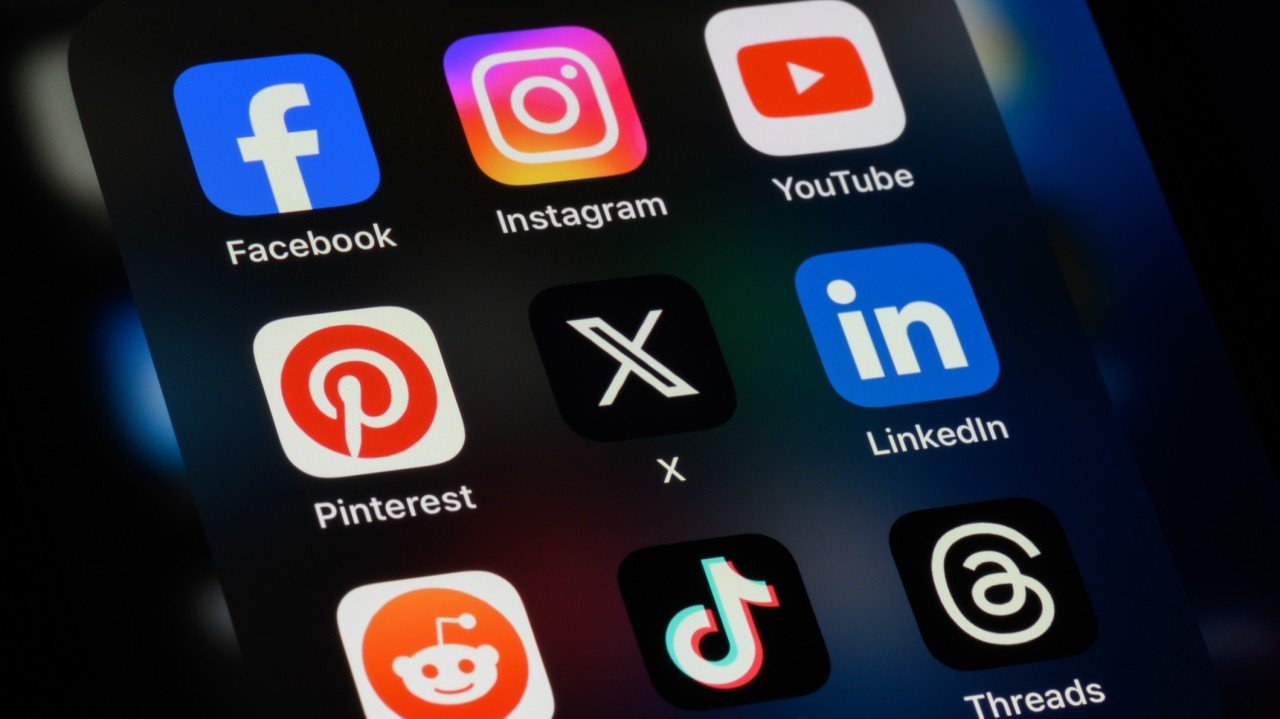
Turks will need national ID numbers to access social media within three months, Justice Minister Akın Gürlek said on Friday, in a move that would mark a new expansion of state control over online speech in the country.
According to Turkish Minute, speaking at a panel discussion in Diyarbakır, Gürlek said the government had reached an agreement with social media platforms on mandatory identity verification and that users would log in with their Turkish national ID numbers. He said fake and bot accounts would face closure if they did not comply during the transition period.
Turkish media reported that Gürlek described the rollout as a roughly three-month transition and said, “ID-based logins will be in place within about three months.” The statement was more specific than remarks he made in February, when he said the government was preparing legislation to end anonymous and fake accounts and could give existing users up to four months to switch to verified identities.
The plan does not appear to be in force yet. Earlier reporting said the measure was being prepared as part of Turkey’s 12th Judicial Reform Package, with implementation expected after parliament passes the law and the Information and Communication Technologies Authority (BTK) takes over enforcement. Existing accounts could then face restrictions if they remain unverified.
The proposal would go beyond a separate bill submitted to parliament in March that seeks to ban social media access for children younger than 15, require age verification systems and give platforms six months to comply.
This comes amid Turkey’s broader push to tighten digital regulation as the government already bans access to about 1.2 million web pages and social media posts, according to the Freedom of Expression Association (İFÖD).
Turkey has tightened its grip on online platforms for years through laws that force companies to appoint local representatives, remove content and face ad bans or bandwidth restrictions if they refuse. Rights groups say those measures have strengthened the government’s hand in policing speech and pursuing users over posts on social media.