At least 40 journalists appeared before a judge and seven were detained in Turkey in March, according to a report released Thursday by an opposition lawmaker, which details ongoing prosecutions and continued restrictions on reporting.
The report by Utku Çakırözer of the Republican People’s Party (CHP) includes both incidents that occurred in March and earlier cases that remained active during the month.
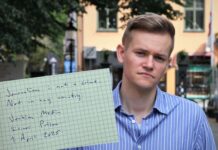
Among the March cases, İsmail Arı, a reporter for the BirGün daily, was detained on March 21 while visiting family in Tokat during the Eid holiday. He was later transferred to Ankara and jailed pending trial under a law criminalizing the dissemination of “misleading information,” referred to as the “disinformation law.”
Alican Uludağ, who was detained and arrested in February, remained in pretrial detention throughout March. During the month, prosecutors sought up to 19-and-a-half years in prison over his social media posts, including charges under the same “misleading information” provision.
The report said journalist Kenan Şener of ANKA News Agency and Mehlika Bilen, an executive at Koza TV, were detained on February 28 after broadcasting footage from near İncirlik Air Base, a strategic Turkish military facility in southern Turkey used by the United States and NATO. Prosecutors launched an investigation, arguing that the images could pose a national security risk. They were released on March 2 under judicial supervision measures, including travel restrictions.
Authorities opened new investigations during March into journalists Ceylan Şahinli and Zeynep Durgut over their reporting, though the report did not specify the subject of their work or the legal grounds for the probe.
Threats and physical violence were also recorded. Journalist Özlem Gürses said she received death threats after her coverage of Israel’s war in Gaza was misrepresented on social media. Abdullah Akyol was physically attacked by a group while reporting from Diyarbakır.
Restrictions on reporting extended to courtrooms. During hearings related to cases involving the Istanbul Metropolitan Municipality, journalists were allowed limited access and seated in sections where they could not adequately follow proceedings.
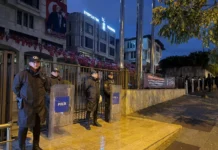
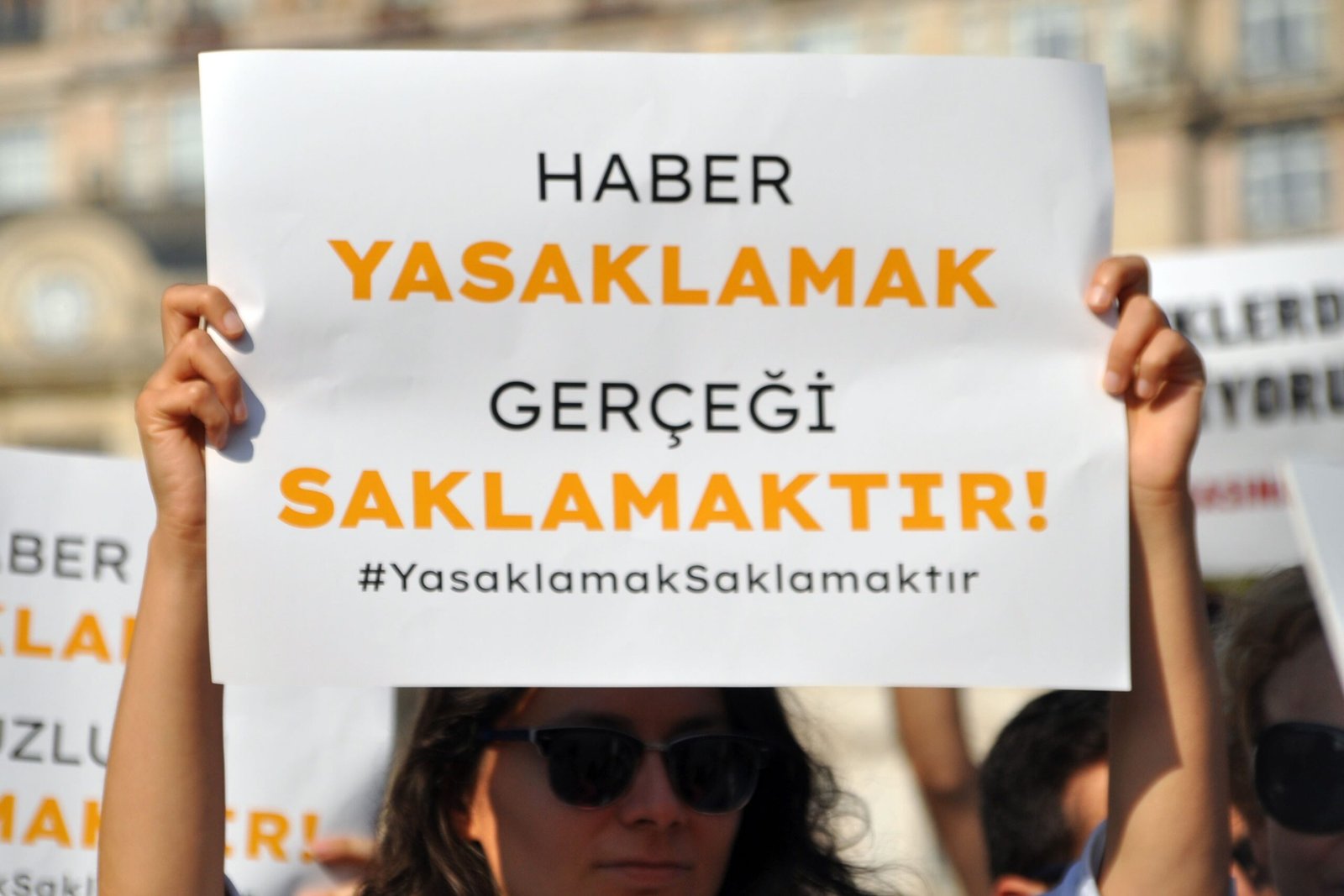
In Istanbul’s Kadıköy district, police blocked a protest by journalists in late March calling for the release of detained colleagues, preventing the group from marching.
The report also cited continued use of court orders to block access to online content during March, including news reports on alleged misuse of public funds and administrative decisions at state institutions.
Turkey has long faced criticism from international organizations over press freedom. The country was ranked 159th out of 180 countries in the 2025 World Press Freedom Index published by Reporters Without Borders (RSF).
Çakırözer said the cases documented in March reflect a worsening environment for journalism, with legal pressure and restrictions on access shaping how reporters operate.