A new study based on interviews with families in Turkey suggests that some suicides following a post-coup purge after a 2016 failed coup are seen by relatives as the result of sustained pressure from government measures.
The study, published in a Turkish social sciences journal, draws on in-depth interviews with 34 relatives of people who died by suicide. In 18 cases relatives linked the deaths to emergency decrees introduced after the coup attempt, while the others were attributed to personal reasons.
Turkey experienced a controversial military coup attempt on the night of July 15, 2016, which, according to many, was a false flag operation aimed at entrenching the authoritarian rule of President Recep Tayyip Erdoğan by rooting out dissidents and eliminating powerful actors such as the military in his desire for absolute power.
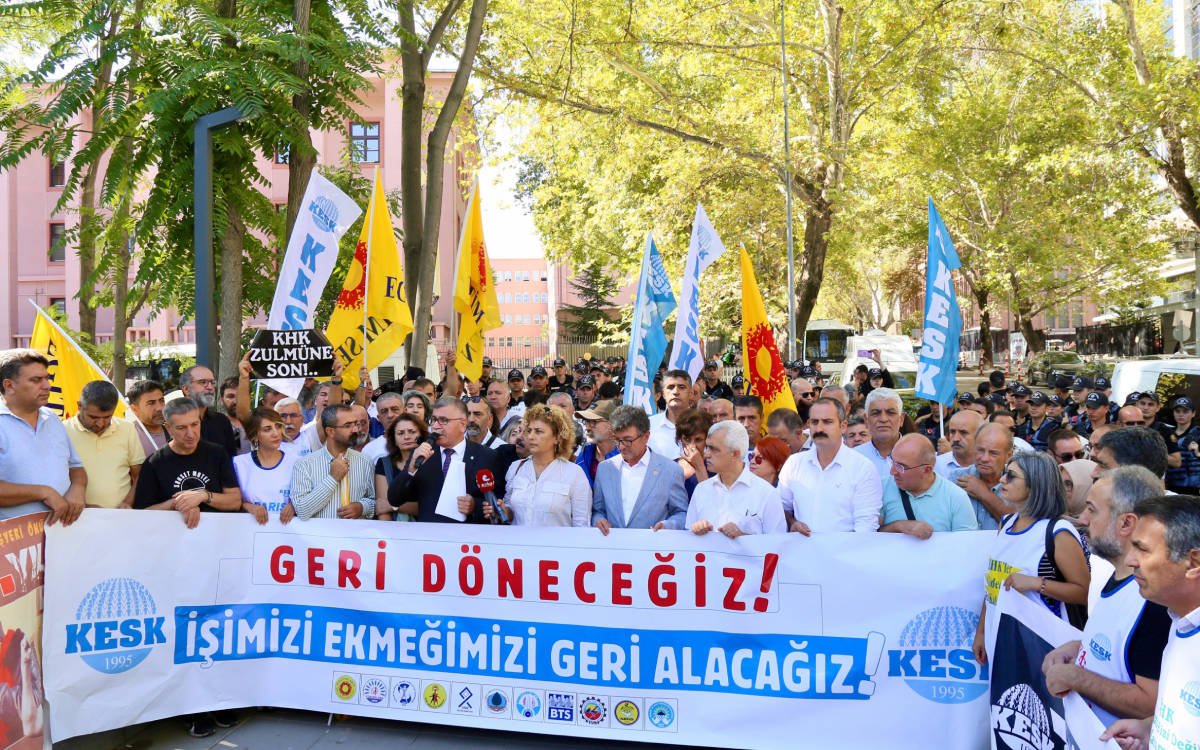
Following the failed coup, the Turkish government declared a state of emergency (OHAL) that remained in effect until July 19, 2018. During this period, the government carried out a purge of state institutions under the pretext of an anti-coup fight by issuing a number of government decrees, known as KHKs. Over 130,000 public servants, including 4,156 judges and prosecutors, as well as more than 24,000 members of the armed forces were summarily removed from their jobs for alleged membership in or relationships with “terrorist organizations” by emergency decree-laws subject to neither judicial nor parliamentary scrutiny.
Those affected were predominantly accused of links to the faith-based Gülen movement, but the measures also reached other groups, including leftist and pro-Kurdish figures.
Erdoğan has targeted followers of the Gülen movement, inspired by the late Muslim cleric Fethullah Gülen, since corruption investigations in December 2013 implicated him as well as some members of his family and inner circle. He dismissed the probes as a Gülenist conspiracy and later designated the movement as a terrorist organization in May 2016, intensifying a sweeping crackdown after the coup attempt in July of the same year that he accused Gülen of orchestrating. The movement denies involvement in the abortive putsch or any terrorist activity.
Former public servants were not only fired from their jobs but also banned from working again in the public sector and getting a passport to seek employment abroad. The government also made it difficult for them to work formally in the private sector. Notes were put on the social security database about dismissed public servants to deter potential employers.
As a result, many purge victims have had to work in uninsured jobs with very little workplace safety. There have also been several cases where former public servants have died due to occupational accidents in physically demanding jobs.
In recent years, some of the people fired have been reinstated, yet this process has often come too late. Numerous cases have surfaced where dismissed individuals, facing severe emotional and financial strain, have died by suicide or otherwise passed away before their reinstatement.
The research adds to existing reporting on the social fallout from the mass dismissals and prosecutions that followed the failed coup, though it does not establish a direct causal link between government policies and suicides.