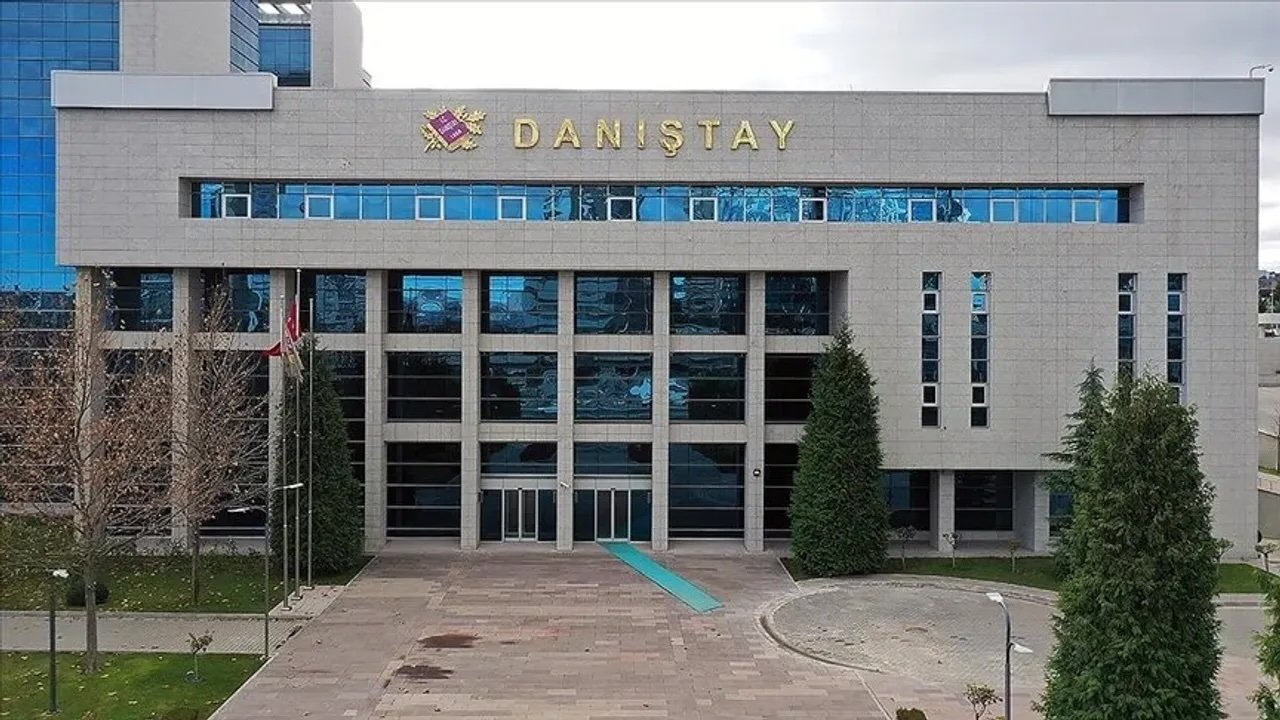
Turkey’s Council of State has refused to comply with a Constitutional Court ruling concerning the dismissal of an academic who signed a 2016 petition criticizing military operations in the country’s Kurdish southeast, raising fresh concerns about compliance with the top court’s binding decisions.
The case is linked to the Academics for Peace, a group of 549 scholars dismissed from public universities by emergency decrees after signing a 2016 petition titled “We Will Not Be a Party to This Crime,” calling on the government to halt military operations in the country’s predominantly Kurdish southeast.
The Constitutional Court ruled in July 2019 that the petition fell within the scope of protected expression and that the academic’s right to freedom of expression had been violated.
Citing this ruling, the academic challenged a State of Emergency Procedures Investigation Commission (OHAL Commission) decision rejecting his reinstatement request. In 2023 a court of first instance ruled in his favor, annulling the decision and ordering payment of the salary accrued during his dismissal and the restoration of his personal rights. A regional administrative court later upheld the judgment, after which the university administration appealed to the Council of State, Turkey’s highest administrative court.
The Council of State overturned the lower court ruling reinstating the academic, despite the Constitutional Court’s decision, arguing that the petition mirrored the language of the outlawed Kurdistan Workers’ Party (PKK), designated as a terrorist organization by Turkey and its Western allies, and that signing it was sufficient grounds to establish links to a terrorist organization.
The OHAL Commission was established in January 2017 for appeals against measures taken by the Turkish government during a two-year state of emergency declared in the aftermath of a 2016 coup attempt.
The Council of State also challenged the Constitutional Court’s authority, arguing that it is not a “super appellate court” binding on all other courts but rather a special court dealing only with matters of constitutional law. It said the lower administrative courts are not obliged to comply with the Constitutional Court’s violation rulings and are free to deliver their own judgment after assessing the evidence and relevant law.
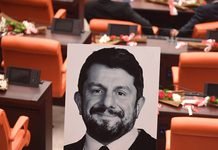
The Council of State cited a similar stance taken by the Supreme Court of Appeals, which refused to release opposition lawmaker Can Atalay despite two Constitutional Court rulings finding that his rights to security and liberty and to stand for election had been violated.
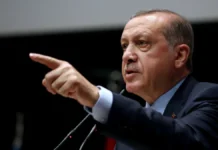
Atalay was elected to parliament from the Workers Party of Turkey (TİP) while serving an 18-year sentence in the politically charged Gezi Park trial related to anti-government protests in 2013 that posed a serious challenge to then-prime minister and current president Recep Tayyip Erdoğan.
The refusal of both lower courts and high courts to comply with Constitutional Court decisions has sparked widespread criticism and renewed concerns about the independence of Turkey’s judiciary.
Critics say there is no longer a meaningful separation of powers in Turkey and that members of the judiciary operate under government influence rather than making judgements based solely on the law.
Turkey was ranked 118th among 142 countries in the World Justice Project’s 2025 Rule of Law Index.