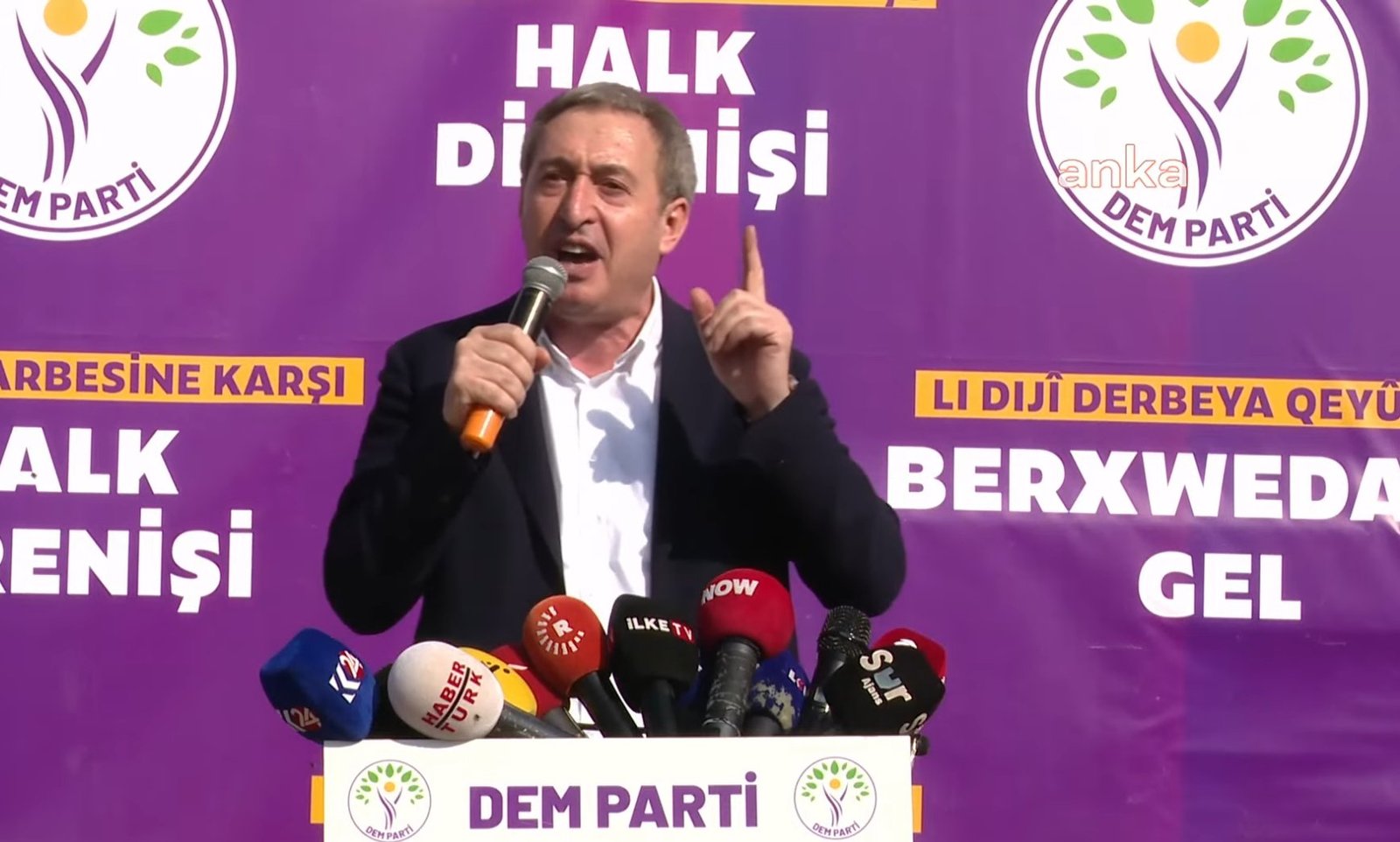
A leader of Turkey’s main pro-Kurdish party said on Friday that Turkey cannot pursue peace with the outlawed Kurdistan Workers’ Party (PKK) while keeping its jailed founder, Abdullah Öcalan, in jail, arguing that any settlement requires legal steps, including a “right to hope” framework that will enable the release of prisoners serving life sentences, including Öcalan, Turkish Minute reported.
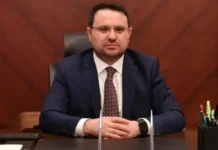
Pro-Kurdish Peoples’ Equality and Democracy Party (DEM Party) Co-chair Tuncer Bakırhan spoke to BBC’s Turkish service after a DEM Party delegation met with President Recep Tayyip Erdoğan on Wednesday, a meeting the party later described as confirming a shared will to continue the peace initiative, making an appeal to parliament, ministries and public institutions to intensify work on “concrete” and “confidence-building” measures.
The delegation, comprising DEM Party lawmaker Pervin Buldan and former lawmaker Mithat Sancar, is authorized to engage in contact with Öcalan, who has been held since 1999 on İmralı Island in the Sea of Marmara. Turkey and its Western allies designate the PKK as a terrorist organization.
Bakırhan said the most contentious issue is whether the parliamentary National Solidarity, Brotherhood and Democracy Commission will include language tied to the “right to hope,” a concept drawn from European human rights standards that centers on whether people serving aggravated life sentences must have a realistic possibility of release after a long period.
He argued that peace efforts cannot be separated from Öcalan’s situation, saying that “Let there be peace and let Öcalan remain the same” does not fit the logic of the peace initiative and would not be accepted by a large part of society.
Bakırhan said the commission’s report should create a formula that enables freer living and communication conditions for Öcalan and that the “right to hope” should be framed as a broader regulation supporting social peace, not as a personal measure for Öcalan alone.
Parliament Speaker Numan Kurtulmuş has said the commission’s report is nearing completion and that a draft text prepared by a five-person working group representing parties in the commission was sent to party representatives for review.
The process has moved alongside developments in Syria, where Ankara views the Syrian Democratic Forces (SDF) as tied to the PKK. A January 30 agreement between Syria’s government and the SDF on a ceasefire and phased integration helped ease tensions after earlier clashes raised doubts about whether Turkey’s peace talks would hold.
Bakırhan also criticized Turkish Foreign Minister Hakan Fidan’s remarks suggesting a possible focus on PKK elements in Iraq after developments in Syria, saying such messaging raises concerns and should not create new obstacles to peace.
Iraq summoned Turkey’s ambassador this week after Fidan’s comments, while Turkey’s foreign ministry defended the remarks and reiterated Ankara’s determination to eliminate the PKK presence from Iraqi territory through cooperation with Baghdad.
Bakırhan denied claims that the DEM Party would trade support for a new constitution or an early election arrangement in exchange for concessions from Ankara, saying the constitution was not on the agenda in talks and that the party would not act as a “sidekick” to Erdoğan and his allies.
Turkey’s latest initiative began with a call by Nationalist Movement Party (MHP) chairman Devlet Bahçeli on October 22, 2024. The DEM Party refers to the effort as the “Democratic Society Process,” while the government uses the label “Terrorism-Free Turkey.”