
A court in the Kenyan capital of Nairobi on Tuesday ordered the unconditional release of Turkish refugee Mustafa Güngör, who had been arrested following a request from Ankara and faced deportation.
Güngör had been detained over allegations by Turkish authorities that he has links to the faith-based Gülen movement, despite his registered refugee status in Kenya.
In a statement on X, Amnesty International’s Kenya chapter announced the court order, saying Güngör had been arrested over a years-old social media post, describing the case as “a clear attempt at transnational repression”.
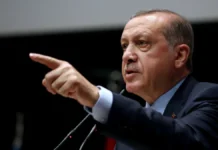
Turkish President Recep Tayyip Erdoğan has been targeting followers of the Gülen movement, inspired by the late Muslim cleric Fethullah Gülen, since corruption investigations in December 2013 implicated him as well as some members of his family and inner circle.
Dismissing the investigations as a Gülenist coup and a conspiracy against his government, Erdoğan began to target the movement’s members. He designated the movement as a terrorist organization in May 2016 and intensified the crackdown on it following an abortive putsch in July of the same year that he accused Gülen of masterminding. The movement strongly denies involvement in the coup attempt or any terrorist activity.
Güngör was arrested on December 20, despite being a registered refugee in Kenya. His wife, their two daughters and his in-laws, all of whom were detained along with him, were released shortly afterwards, while he remained in custody.
He was released on December 30 on a personal bond, allowing him to remain free without paying bail while court proceedings continued. The court’s ruling on Tuesday lifted all remaining conditions on his release.
Güngör’s case has raised concerns of refoulement following the forcible return of four Turkish nationals from Kenya in 2024 despite being under the protection of the United Nations High Commissioner for Refugees. The move drew widespread criticism, including from UN Secretary-General António Guterres.
Since the coup attempt Erdoğan’s long arm has reached tens of thousands of Turkish citizens abroad. From surveillance through diplomatic missions and pro-government diaspora organizations to the denial of consular services and outright intimidation and illegal renditions, the Turkish government has employed a wide range of tactics against its critics overseas. The campaign has mostly relied on renditions, in which Turkey and its National Intelligence Organization (MİT) persuade other states to hand over individuals without due process. Victims of such operations have reported several human rights violations, including arbitrary arrest, torture and ill-treatment. MİT has acknowledged conducting operations for the forcible return of more than 100 people accused of links to the Gülen movement.