
Turkish authorities have restricted access to dozens of X accounts belonging to journalists, a former lawmaker and media organizations, citing “national security and public order” following recent developments in Syria and protests in Turkey linked to clashes between Syrian government forces and Kurdish-led groups, Turkish Minute reported.
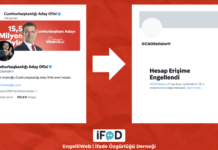
According to data published by the Freedom of Expression Association’s (İFÖD) EngelliWeb initiative, the blocked accounts include journalists with hundreds of thousands of followers as well as Kurdish and Turkish-language news outlets.
Those affected include journalists Amed Dicle, Ronî Aydın Dere, Doğan Cihan, Yasin Kobulan, Erdal Er and Günay Aslan as well as former lawmaker Ferhat Encü.
Media organizations targeted by the restrictions include the Mezopotamya News Agency, the Yeni Yaşam newspaper and JinNews, along with their Kurdish and English-language accounts.
No public explanation has been given regarding which specific posts triggered the restrictions, and authorities have not disclosed individual court decisions ordering the blocks, according to Turkish media reports.
The access bans come amid heightened tensions linked to rapidly shifting dynamics in northern Syria, where clashes earlier this month intensified a long-running standoff between Damascus and the Kurdish-led Syrian Democratic Forces (SDF) over the group’s future status.
Syrian government forces launched an operation on January 6 that expanded into areas long controlled by the SDF, triggering weeks of fighting. A ceasefire and integration plan announced over the weekend was intended to bring SDF military and civilian structures under the Syrian state, but reports since then have pointed to renewed clashes and deep disagreements over how the plan would be implemented.
Turkey, the main foreign backer of Syria’s transitional authorities since the fall of Bashar al-Assad’s government in December 2024, has openly supported Damascus’s push to dismantle Kurdish-led self-rule along its border. Ankara considers the SDF an extension of the outlawed Kurdistan Workers’ Party (PKK), which it designates as a terrorist organization.
Turkish Foreign Minister Hakan Fidan said this week that Ankara backs the ceasefire and integration plan as a priority choice to preserve Syria’s unity and territorial integrity, even as fighting resumes on the ground.
The Syrian offensive has triggered protests across Turkey’s predominantly Kurdish southeast, where many fear Ankara’s Syria policy could undermine a fragile peace process at home. Turkey has been engaged in dialogue with jailed PKK leader Abdullah Öcalan as part of efforts to end a decades-long conflict, but Kurdish politicians and activists warn that backing military action against Kurds in Syria risks eroding trust among Turkey’s Kurdish population.
The account restrictions fit a broader pattern of digital repression in Turkey, where authorities have increasingly relied on online censorship during periods of political tension.
According to a December report by FreeWebTurkey, courts blocked access to 3,330 URLs linked to more than 1,300 pieces of online content in the first seven months of 2025 alone.
The monitoring group said restrictions disproportionately targeted independent and opposition-leaning outlets, with Kurdish-focused media among the most affected.