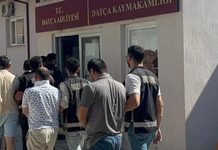
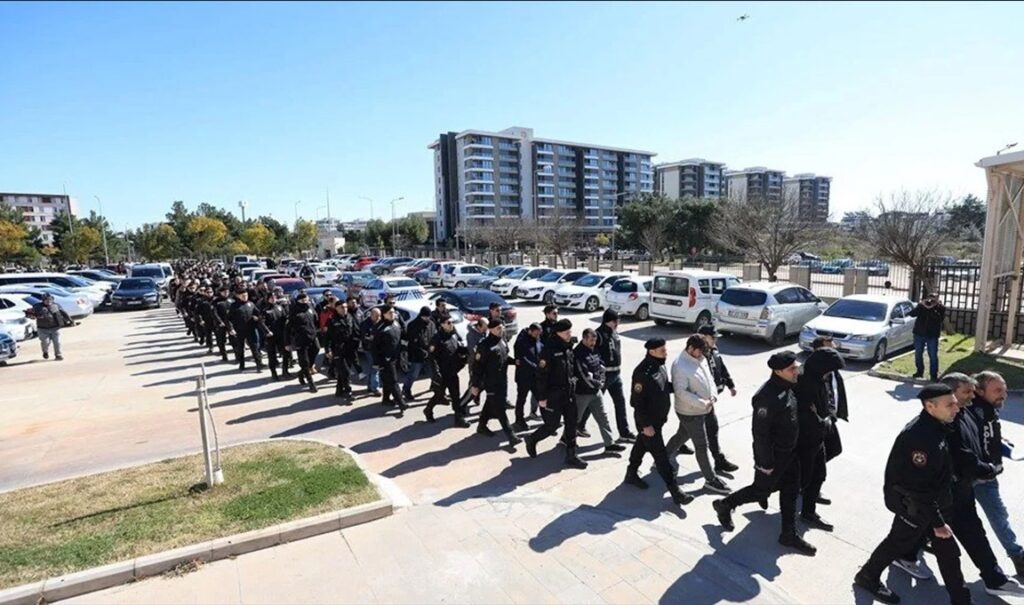
Turkish authorities ordered the detention of 37 people over alleged links to the faith-based Gülen movement in two separate investigations last week, Turkish media reported.
In the first investigation the Ankara Chief Public Prosecutors Office issued detention orders on December 25 for 20 suspects accused of being part of a clandestine network embedded in state institutions. Authorities identified the suspects based on their communication with other alleged members using public payphones as well as the statements of witnesses.
Turkish President Recep Tayyip Erdoğan has been targeting followers of the Gülen movement, inspired by the late Muslim cleric Fethullah Gülen, since corruption investigations in December 2013 implicated him as well as some members of his family and inner circle.
Dismissing the investigations as a Gülenist coup and a conspiracy against his government, Erdoğan began to target the movement’s members. He designated the movement as a terrorist organization in May 2016 and intensified the crackdown on it following an abortive putsch in July of the same year that he accused Gülen of masterminding. The movement strongly denies involvement in the coup attempt or any terrorist activity.
The so-called “payphone investigations” are based on call records. The prosecutors allege that a member of the Gülen movement used a single payphone to consecutively call all his contacts. Based on that assumption, when an alleged member of the movement is found in call records, it is assumed that other numbers called right before or after the primary call also belong to people with Gülen links. The authorities do not possess the content of the calls in question. The supposition of guilt is solely based on the order of the calls made from the phone.
Authorities said 14 of the 20 suspects had previously been dismissed from public service, five are still employed in public institutions and one is a civilian. Counterterrorism police launched simultaneous operations across eight provinces to locate and detain the suspects.
Following the failed coup, the Turkish government declared a state of emergency and carried out a massive purge of state institutions under the pretext of an anti-coup fight. Over 130,000 public servants, including 4,156 judges and prosecutors, and more than 24,000 members of the armed forces were summarily removed from their jobs for alleged membership in or relationships with “terrorist organizations” by emergency decree-laws subject to neither judicial nor parliamentary scrutiny.
In a separate investigation on December 26, prosecutors issued detention warrants for 17 additional suspects believed to be part of the group’s alleged clandestine structure.
According to the latest figures from the Justice Ministry, more than 126,000 people have been convicted for alleged links to the movement since 2016, with 11,085 still in prison. Legal proceedings are ongoing for over 24,000 individuals, while another 58,000 remain under active investigation nearly a decade later.
In addition to the thousands who were jailed, scores of other Gülen movement followers had to flee Turkey to avoid the government crackdown.