
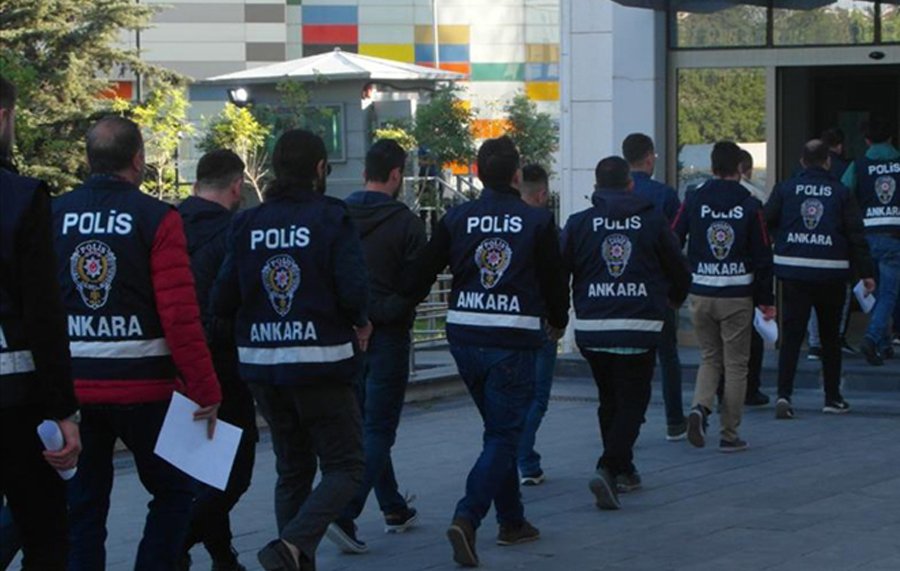
Turkish authorities have detained 160 people over alleged links to the faith-based Gülen movement in the last two weeks, Interior Minister Ali Yerlikaya announced on Monday.
Yerlikaya said on X that suspects have been taken into custody in police operations across 39 provinces, including Ankara, Antalya, İstanbul and İzmir. The minister said 90 of the suspects were arrested, while 52 were released under judicial supervision. Legal procedures for the remaining suspects are ongoing.
The detainees were accused of engaging in activities linked to the Gülen movement, contacting members of the movement via pay phones and using ByLock, an encrypted messaging application that was widely available on Apple’s App Store and Google Play.
Turkish President Recep Tayyip Erdoğan has been targeting followers of the Gülen movement, inspired by the late Muslim cleric Fethullah Gülen, since corruption investigations in December 2013 implicated him as well as some members of his family and inner circle.
Dismissing the investigations as a Gülenist coup and a conspiracy against his government, Erdoğan began to target the movement’s members. He designated the movement as a terrorist organization in May 2016 and intensified the crackdown on it following an abortive putsch in July of the same year that he accused Gülen of masterminding.
The so-called “payphone investigations” are based on call records. The prosecutors allege that a member of the Gülen movement used a single payphone to consecutively call all his contacts. Based on that assumption, when an alleged member of the movement is found in call records, it is assumed that other numbers called right before or after the primary call also belong to people with Gülen links. The authorities do not possess the content of the calls in question. The supposition of guilt is solely based on the order of the calls made from the phone.
Turkish authorities have considered ByLock to be a secret tool of communication among supporters of the Gülen movement since the coup attempt on July 15, 2016, despite a lack of evidence that ByLock messages were related to the abortive putsch.
Although the European Court of Human Rights (ECtHR) has in many cases made clear that use of the ByLock messaging app does not constitute a criminal offense, detentions and arrests of individuals continue in Turkey for their alleged use of the ByLock application.
According to the latest figures from the Justice Ministry, more than 126,000 people have been convicted of alleged links to the movement since 2016, with 11,085 still in prison. Legal proceedings are ongoing for over 24,000 individuals, while another 58,000 remain under active investigation nearly a decade later.
In addition to the thousands who were jailed, scores of other Gülen movement followers had to flee Turkey to avoid the government crackdown.