Eighty bar associations across Turkey on Sunday condemned Justice Minister Akın Gürlek’s proposal to restrict lawyers’ access to individuals held in pretrial detention, warning that any such measure would violate constitutional and international safeguards protecting the right to defense.
In a joint statement titled “The Right to Defense Must Not Be Touched,” 80 of Turkey’s 83 bar associations said that “people behind bars are not slaves but individuals” who retain fundamental rights, including freedom of expression and the right to legal counsel. Any restriction, they warned, would undermine the rule of law and the independence of the defense.
Three bar associations widely regarded as close to the ruling Justice and Development Party (AKP) — the Karaman Bar, the İstanbul No. 2 Bar and the Ankara No. 2 Bar — did not join the statement.
The joint statement follows remarks by Gürlek in his first televised interview after taking office on February 11 in which he argued that suspects held in pretrial detention can meet lawyers whenever they want and for long hours, using those meetings to relay statements and instructions to people outside prison through their attorneys. Describing this as a legislative gap, he said he had ordered preparations for amendments to be submitted to parliament.
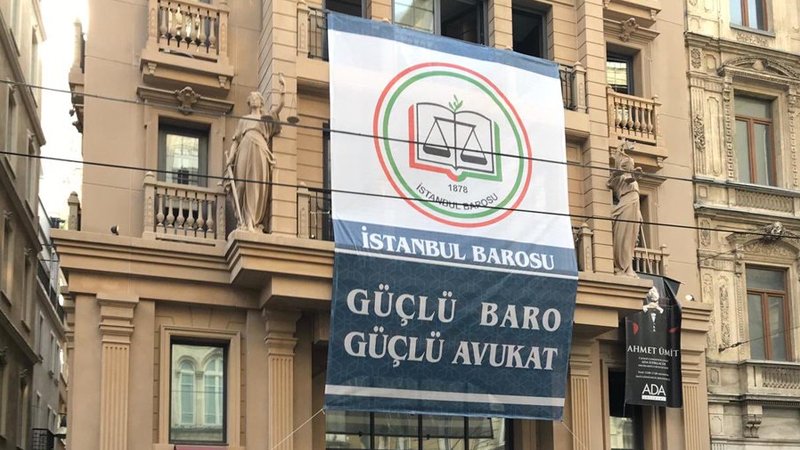
The İstanbul Bar Association, which signed the joint declaration, issued a separate statement rejecting the minister’s remarks and disputing his claim that detainees meet their lawyers without meaningful limitation. The bar said that in practice, access is often restricted due to overcrowded prisons and a shortage of confidential meeting rooms, leading to delays and constraints on consultations.
The bar association also said that any restriction on lawyer-client meetings must have a clear constitutional basis and that no authority, including parliament, can impose measures beyond constitutional limits. It further warned that restricting confidential access to counsel could violate Article 6 of the European Convention on Human Rights (ECHR), which guarantees the right to a fair trial.
Under Article 90 of the Turkish Constitution, duly ratified international human rights treaties prevail over domestic legislation in cases of conflict, giving conventions such as the ECHR binding force in Turkish law.
Gürlek’s appointment as justice minister has drawn strong criticism from the opposition. After being named İstanbul chief public prosecutor in October 2024, he initiated numerous investigations targeting members of the main opposition Republican People’s Party (CHP).
As justice minister, Gürlek will also chair the Council of Judges and Prosecutors (HSK), which oversees judicial appointments and discipline. Critics say this could further strengthen the government of President Recep Tayyip Erdoğan over the judiciary and increase pressure on opposition figures.
Lawyers and bar associations in Turkey have increasingly faced investigation and prosecution linked to their professional activities. Rights groups say such cases contribute to the erosion of legal independence and intimidate lawyers representing dissident clients.
In the latest global Rule of Law Index released in October 2025 by the World Justice Project, Turkey was ranked 118th out of 143 countries, falling one place from the previous year.