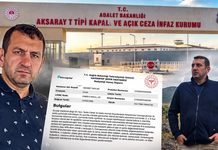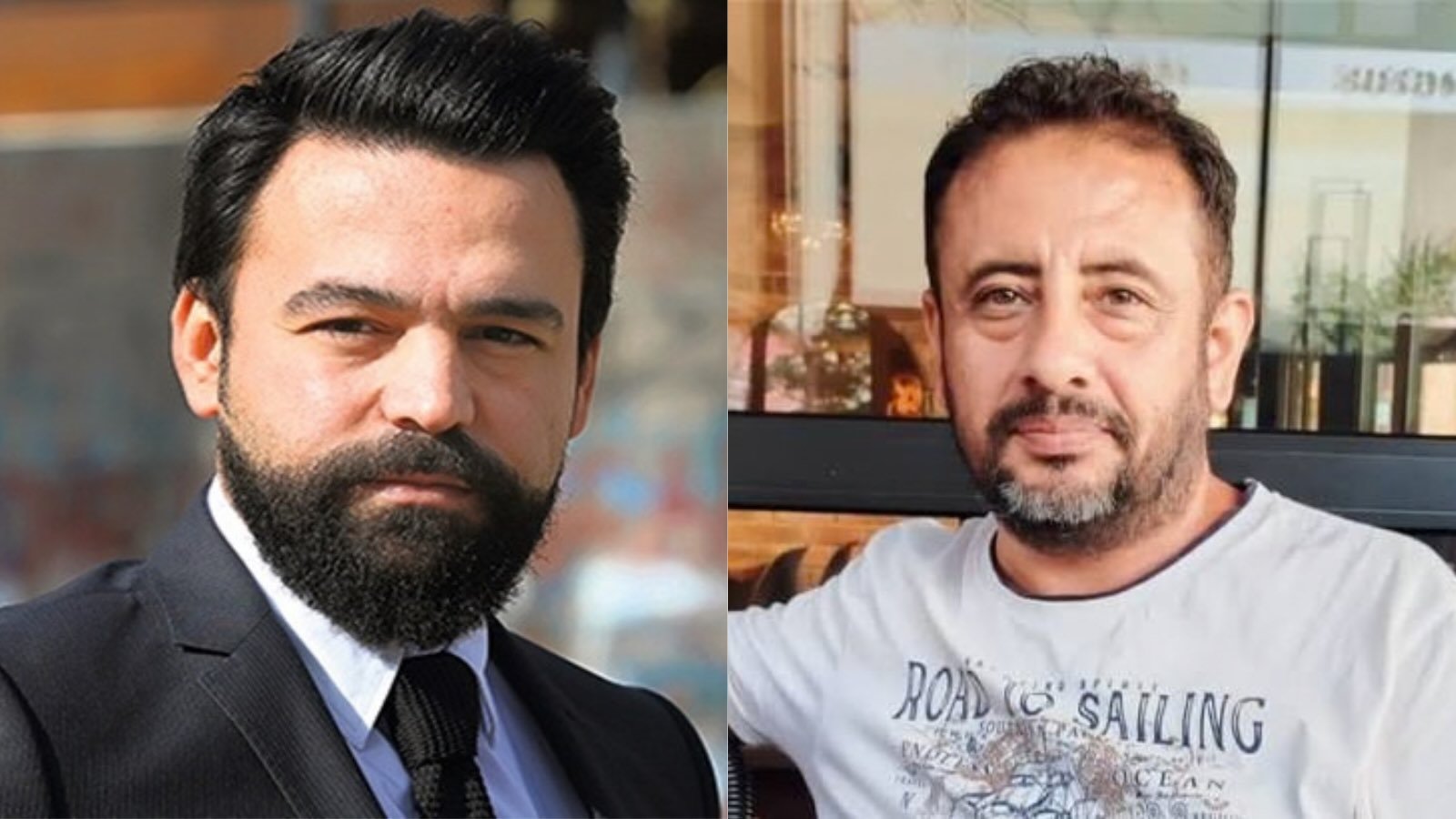
Turkey has jailed two journalists pending trial in an investigation into the 2009 helicopter crash that killed nationalist politician Muhsin Yazıcıoğlu, with an account of the allegations portraying one reporter’s efforts to bring footage to the media as wrongdoing.
Emre Soncan, a former defense and presidential correspondent for the now-closed Zaman daily, and journalist Mehmet Yaşar Durukan were among the 36 people sent to prison in the latest phase of the investigation, the Bold Medya news website reported. Soncan also wrote two books about Yazıcıoğlu’s death.
Soncan helped bring footage related to the case to the media, an account of the allegations published by the pro-government media states. The reports present that activity as part of the investigation’s supposed media involvement but do not explain how publicizing the footage would have prevented the circumstances of the crash from coming to light.
The same account accuses Durukan of having contact with the Gülen movement, a civic network inspired by the late Muslim cleric Fethullah Gülen. It alleges that he tried to steer the inquiry by implicating President Recep Tayyip Erdoğan, who was prime minister at the time of the crash, and İlker Başbuğ, then Turkey’s military chief, but neither specifies what he allegedly falsified nor provides supporting evidence for the alleged plot.
The movement’s participants have operated schools, charities and other social initiatives in Turkey and abroad. Turkey designates it a terrorist organization, a designation other governments and major international bodies do not apply to the movement.
Durukan previously worked for the Press Advertising Agency (BİK), a public body that distributes state advertising to newspapers. He was already standing trial in a separate case alleging interference in the Yazıcıoğlu investigation and denied the accusations at hearings in 2025, Bold Medya reported.
The allegations against the journalists are part of a prosecution that accuses suspects of participating in premeditated murder and obstructing efforts to establish what happened. The Ankara Chief Public Prosecutor’s Office announced Tuesday that 36 of the 38 people detained in the latest operation had been jailed pending trial, while two were released under judicial supervision.
Police detained 33 people on September 25 and five more afterward. The raids covered 45 locations in 16 provinces and involved the National Intelligence Organization (MİT), Turkey’s intelligence service, along with the Ankara police.
Investigators are examining claims that the search for the helicopter was misdirected, information notes were falsified and witnesses were manipulated, Justice Minister Akın Gürlek announced when the raids began. His announcement did not identify the suspects’ individual roles or disclose evidence connecting the Gülen movement to the crash.
Soncan’s imprisonment follows an earlier prosecution in which his refusal to describe the movement as a terrorist organization prompted a new case against him. An İstanbul court sentenced him to seven-and-a-half years in prison in April 2018 for membership in a terrorist organization, a charge he denied.
Soncan was first jailed in July 2016 during a crackdown on journalists after a failed military coup. Zaman, then Turkey’s best-selling newspaper and affiliated with the Gülen movement, was shut down by the government that year, months before the coup attempt. Soncan was released in 2021 after more than five years in prison.
Yazıcıoğlu founded and led the nationalist Grand Unity Party (BBP). He was traveling between campaign events before local elections when his chartered helicopter crashed near Göksun in the southern province of Kahramanmaraş on March 25, 2009.
The crash also killed three party officials, the pilot and journalist İsmail Güneş. Güneş called emergency services after the crash, but rescuers took approximately 47 hours to find the wreckage. His body was discovered separately five days later.
Failures in the rescue operation, the removal of navigation equipment from the wreckage and allegations of interference by public officials have fueled demands from the victims’ relatives for the deaths to be investigated as a possible assassination.
Erdoğan has targeted the faith-based Gülen movement, inspired by Muslim cleric Fethullah Gülen, who died in 2024, since corruption investigations in December 2013 implicated Erdoğan as well as some members of his family and inner circle. He dismissed the probes as a Gülenist conspiracy and designated the movement as a terrorist organization in May 2016, intensifying a sweeping crackdown after the coup attempt in July of the same year that he accused Gülen of orchestrating. The movement denies involvement in the coup attempt or any terrorist activity. The movement also denies involvement in Yazıcıoğlu’s death.
United Nations bodies have documented arbitrary detention, denial of due process and torture in cases brought during the post-coup crackdown. The European Court of Human Rights has also faulted Turkish courts for treating association with the movement and lawful activities as evidence of terrorism.
This article is republished from Turkish Minute.