
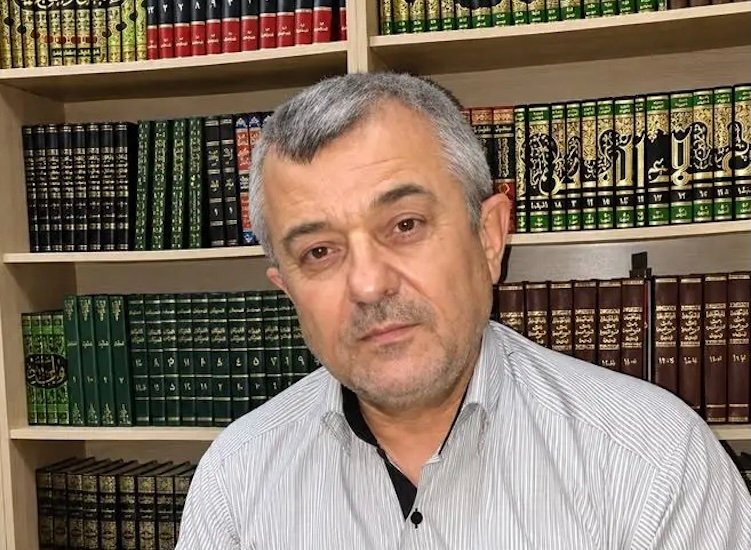
The wife of a 73-year-old Turkish theologian imprisoned over alleged links to the faith-based Gülen movement has called for his release, citing his deteriorating health including a heart attack in September, the Bold Medya news website reported.
Mustafa Özönder, who has been held at İstanbul’s Marmara Prison for 34 months, underwent an angiography following the heart attack. According to his wife, Selma, Özönder has lost 10 kilograms in the past two months, and prison conditions have worsened his health problems.
Özönder, an Islamic scholar specializing in hadith and Quranic interpretation, was jailed in 2024 and subsequently sentenced to more than nine years in prison. His conviction is under appeal.
Turkish President Recep Tayyip Erdoğan has targeted the faith-based Gülen movement, inspired by Muslim cleric Fethullah Gülen, who died in 2024, since corruption investigations in December 2013 implicated Erdoğan as well as some members of his family and inner circle. He dismissed the probes as a Gülenist conspiracy and designated the movement as a terrorist organization in May 2016, intensifying a sweeping crackdown after a coup attempt in July of the same year that he accused Gülen of orchestrating. The movement denies involvement in the attempted coup or any terrorist activity.
Selma Özönder called for her husband’s release to house arrest while his appeal is pending, fearing he could suffer the same fate as Abdullah Tırpan, who died in custody last month.
Tırpan, 73, had been convicted over alleged Gülen movement links and suffered from diabetes, severe circulatory problems and gangrene. His left leg was amputated below the knee four days before his death on October 26, after repeated appeals for his release on medical grounds went unheeded. Despite his deteriorating condition, state medical authorities had repeatedly found him fit to remain in prison.
Under Article 109 of Turkey’s Code of Criminal Procedure, courts may place seriously ill or disabled prisoners whose convictions are under appeal under judicial supervision if a medical assessment establishes that they cannot live independently in prison. Such measures can include house arrest.
Human rights organizations have repeatedly criticized how these procedures for seriously ill prisoners are applied, saying delays in medical evaluations and restrictive assessments have prevented them from securing release even when their conditions became life-threatening.
Selma Özönder’s appeal came days after families of seriously ill prisoners began daily protests outside Turkey’s Justice Ministry in Ankara on November 17, demanding access to medical care and the release of ailing inmates.
According to figures released by Justice Minister Akın Gürlek in July 2026, more than 127,000 people have been convicted of alleged links to the movement since 2016, with 10,485 still in prison and legal proceedings ongoing against 83,404 individuals.