Popular Turkish street interviewer Arif Kocabıyık, who was barred from leaving the country while standing trial on charges of insulting President Recep Tayyip Erdoğan, has been arrested after he was found hiding beneath a truck trailer at a border crossing with Bulgaria in an alleged attempt to violate the travel ban, the DHA news agency reported.
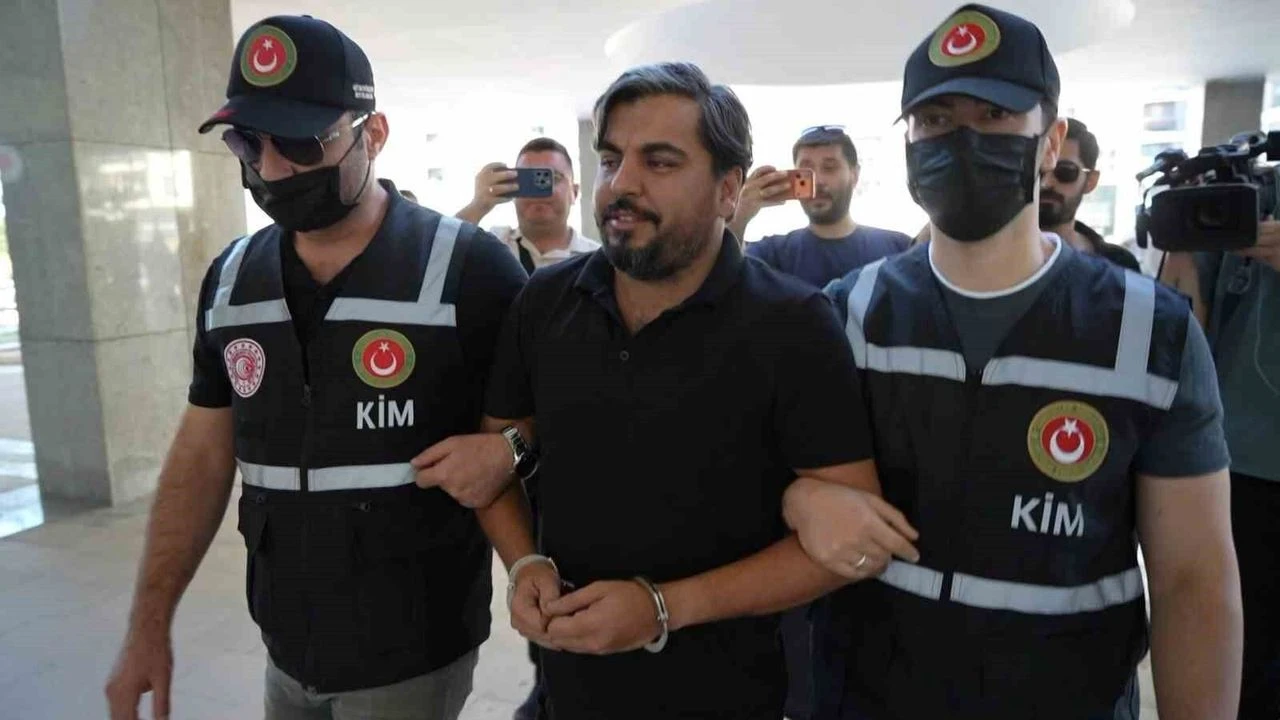
Customs enforcement officers discovered Kocabıyık and an Iranian national beneath the trailer of a truck that arrived at the Kapıkule border crossing in the northwestern province of Edirne Monday afternoon, according to Turkish media reports.
The truck was preparing to cross into Bulgaria when officers searched it and found the two men concealed beneath the trailer.
Officials identified them as Kocabıyık, known for the politically focused street interviews broadcast on his İlave TV YouTube channel, and an Iranian national identified by the initials S.P.S.
A records check showed that Kocabıyık was subject to a travel ban imposed by the Antalya 35th Criminal Court of First Instance in a case concerning an alleged violation of Article 299 of the Turkish Penal Code, which criminalizes insulting the president.
Kocabıyık and the truck driver, identified by the initials M.A., were taken into custody on the orders of the Edirne Chief Public Prosecutor’s Office. The Iranian national was transferred to the provincial migration authority.
The trade ministry said customs officers had received intelligence that Kocabıyık was hiding at truck stops in Edirne and apprehended him after conducting surveillance and inspections at the border crossing.
Kocabıyık and the driver were brought to an Edirne courthouse on Tuesday after processing by customs enforcement officers.
Asked by reporters where he had intended to flee, Kocabıyık replied, “Anamur,” naming a district in the southern province of Mersin, despite having been caught at the Bulgarian border. He and the driver were then taken to the prosecutor’s office for questioning.
The Antalya 35th Criminal Court of First Instance subsequently ordered Kocabıyık’s arrest on the grounds that he had violated the terms of his judicial supervision by attempting to leave the country.
He was transported to the Edirne L-Type Prison after the necessary procedures were completed. No information was immediately available about the outcome of the proceedings against the driver.
Kocabıyık has faced repeated investigations and detentions over his street interviews. He was detained along with two other YouTube journalists in December 2021 and subsequently placed under house arrest and barred from leaving the country. He was detained and jailed again in May 2025 on accusations of insulting Erdoğan.
In a separate case, Kocabıyık was arrested in December 2025 and released on February 9 after spending approximately 66 days behind bars. The court imposed judicial supervision measures, including the travel ban he was accused of violating at Kapıkule.
Article 299 carries a prison sentence of one to four years. The sentence may be increased by one-sixth if the alleged offense was committed publicly.
Thousands of people in Turkey are investigated, prosecuted or convicted under the controversial law, which rights groups say is frequently used to silence criticism of Erdoğan.
Street interviews, which are widely distributed on YouTube and other social media platforms, have gained popularity in Turkey by giving members of the public an opportunity to speak candidly about economic hardship, government policies and political discontent.
They have also faced increasing government scrutiny. Since September 2024, YouTube channels producing news programs or street interviews have been required to obtain a license from Turkey’s broadcasting watchdog, the Radio and Television Supreme Council (RTÜK).
RTÜK has said the oversight is intended to prevent slander and misinformation, while critics view it as an attempt to tighten government control over independent media and public debate.
This article is republished from Turkish Minute.