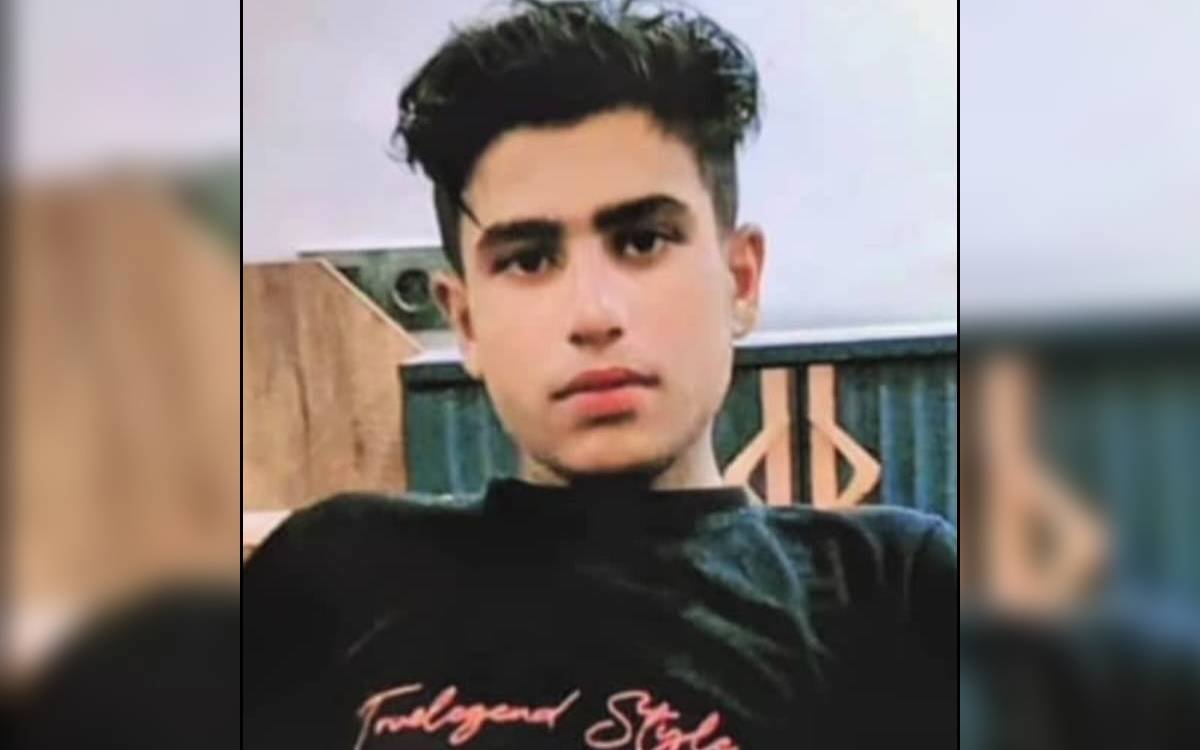
Two Syrians, one of them a 14-year-old boy, were killed in separate attacks in southern Turkey within days of each other, prompting Syrian rights advocates and relatives of one victim to raise concerns about the circumstances of the deaths, Turkish media reported.
The killings in Adana and Gaziantep were not connected, and Turkish authorities have not said either was motivated by the victims’ nationality. In the Adana case, however, relatives of 14-year-old Ali Shihab say the confrontation before his shooting began after another boy objected to a 5-year-old Syrian child wearing a shirt bearing Syria’s new flag.
Shihab was working at a scrapyard in Adana on August 21 when the dispute began, according to his cousin, Hammud El Hammud, who spoke to the Bianet news website.
El Hammud said a Turkish teenager approached the 5-year-old boy and demanded that he remove the shirt. Shihab and another worker intervened, and the two sides initially separated.
The teenager later returned with his parents, who assaulted Shihab and the other worker before neighbors intervened, according to El Hammud. He said the father then left and returned in a car before shooting Shihab twice while he was loading scrap onto a truck.
Shihab died at a hospital.
Police identified the suspected gunman and were searching for him, lawyer Emir Ali Emir told Bianet. Authorities have not publicly confirmed the family’s account of what led to the shooting or described the killing as racially motivated.
El Hammud also said the family later received a message telling them to send Shihab’s body to Syria and withdraw their complaint or face death threats. The family planned to pursue the case, he said.
Shihab had arrived in Turkey about 40 days before his death and was working to send money to his mother and younger siblings in Syria, Bianet reported. His father, two siblings and stepmother were killed during fighting in Syria’s eastern Deir el-Zour province in 2017.
Three days later, 32-year-old Syrian painter Bedir Koca was fatally stabbed in Gaziantep.
Koca, a father of four, had gone to collect the 20,000 Turkish lira he was owed for a painting job when an argument turned into a fight, Turkey’s Demirören News Agency (DHA) reported.
He was stabbed several times and died after being taken to a hospital. Police opened an investigation and initially said they were searching for five suspects.
Syrian rights activist Taha al-Ghazi told The New Arab that five people were later detained in connection with Koca’s death.
Al-Ghazi told The New Arab that rights advocates were following both cases and preparing a report on recent violence involving Syrians in Turkey. He also said Shihab’s family had faced harassment and threats after the killing.
Turkish academic Bakir Atajan cautioned against interpreting the two killings as evidence of a broader campaign against Syrians. He told The New Arab that similar violent crimes also affect Turkish citizens and said anti-Syrian political rhetoric had declined.
The killings come as the number of Syrians living in Turkey has fallen sharply since the collapse of Bashar Assad’s government in December 2024.
Turkey took in millions of Syrians after the country’s civil war began in 2011. Their presence became an increasingly prominent political issue as Turkey faced high inflation and other economic problems, and several opposition politicians campaigned on promises to speed up refugee returns.
Violence targeting Syrians has occurred before. In July 2024 mobs attacked Syrian-owned homes, businesses and vehicles in the central province of Kayseri after allegations that a Syrian man had sexually abused a child. The unrest later spread to other provinces, and Turkish authorities detained hundreds of people.
President Recep Tayyip Erdoǧan condemned the violence at the time and accused opposition politicians of fueling hostility toward refugees.
Returns to Syria have accelerated since Assad’s overthrow. Turkish officials said this month that more than 700,000 Syrians had returned since December 2024.
About 2.2 million Syrians are still registered in Turkey under the country’s temporary protection system, down from more than 3.7 million at its peak.