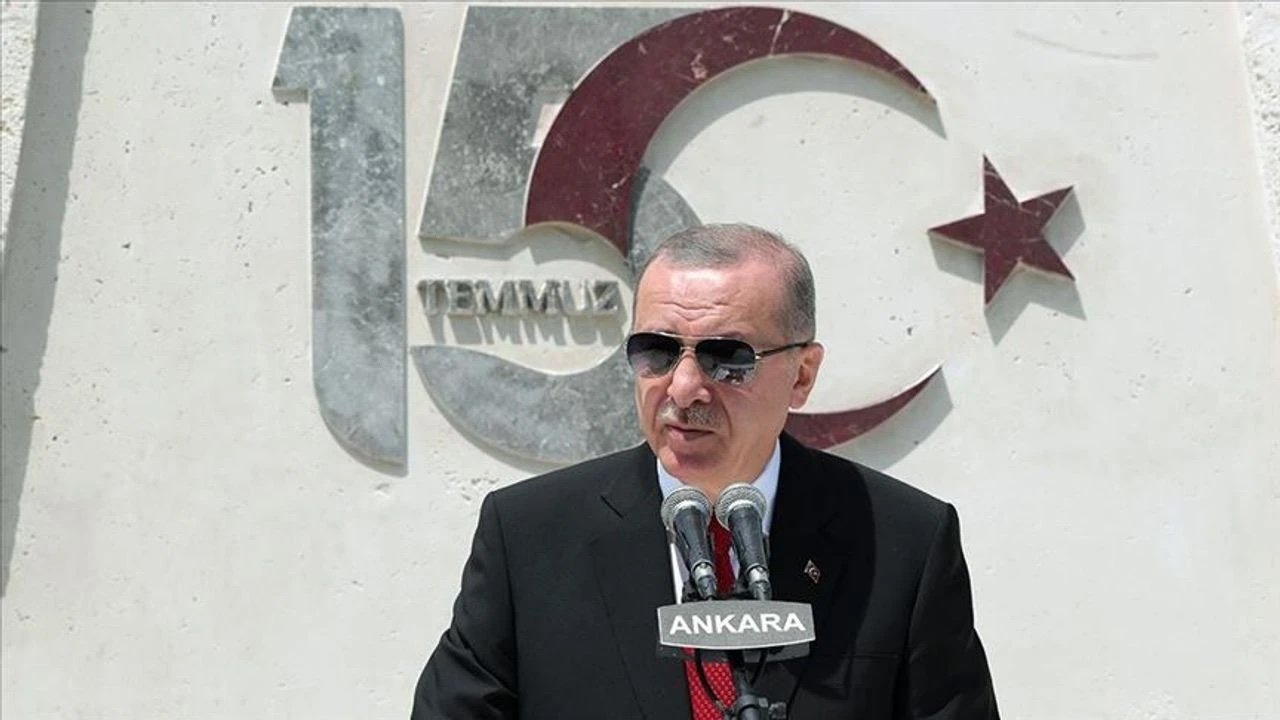
Although it lasted barely 24 hours, the attempted coup of July 15, 2016, and its aftermath became a turning point for Turkey, sparking changes that have transformed society, analysts say.
That evening, a rogue military faction used warplanes and tanks to attack government buildings in İstanbul and Ankara in a bid to overthrow President Recep Tayyip Erdoğan, leaving some 250 people dead and another 2,000 wounded.
After declaring a state of emergency, Ankara began a purge in which hundreds of thousands were detained, more than 120,000 convicted and tens of thousands dismissed in a sweep that gutted the military, the judiciary and other state institutions.
Ten years on, the events of that fateful night are still being felt, with prosecutors moving Monday to detain nearly 1,000 people over alleged ties to faith-based Gülen movement.
Turkish President Recep Tayyip Erdoğan has targeted the Gülen movement, a worldwide civic initiative inspired by the ideas of Muslim cleric Fethullah Gülen, who died in 2024, since corruption investigations in December 2013 implicated him as well as some members of his family and inner circle. He dismissed the probes as a Gülenist conspiracy and later designated the movement as a terrorist organization in May 2016, intensifying a sweeping crackdown after the coup attempt in July of the same year that he accused Gülen of orchestrating. The movement denies involvement in the coup attempt or any terrorist activity.
“Our nation’s will and the survival of our state are under threat from the treacherous FETÖ,” Justice Minister Akın Gürlek said, describing the operations as part of “the great purification campaign.” The Turkish government coined the derogatory term “FETÖ,” short for “Fethullahist Terrorist Organization,” to refer to the Gülen movement.
For Turkey the coup was “a foundational and indisputable turning point,” Interior Minister Mustafa Çiftçi wrote of a date the government has sought to mythologize, renaming schools, squares and parks in its honor, most famously the iconic suspension bridge over the Bosporus.
‘Autocratization at unprecedented speed’
On that night Erdoğan described the unfolding coup as “a great gift from God,” with experts agreeing that it was instrumental in cementing his power.
“The coup facilitated Erdoğan tightening his grip on power through the state of emergency,” said Gareth Jenkins, a veteran Turkey analyst affiliated with the Institute for Security and Development Policy (ISDP).
Never before had Turkey had “a state of emergency which enabled one person to assert his dominance over the whole machinery of state,” he told Agence France-Presse.
Within two weeks 16,000 people had been arrested — two-thirds of them soldiers and the rest police officers, judges and prosecutors — while more than 50,000 had been dismissed, mostly in the education sector, official figures showed.
Gönül Tol of the Washington-based Middle East Institute said July 15 became “a turning point in Turkey’s democracy.”
“Erdoğan used it as an excuse to go after his political opponents, which paved the way for autocratization at an unprecedented speed,” she said.
Didier Billion of the French Institute for International and Strategic Affairs said the coup was “a godsend for Erdoğan … [who] seized this opportunity extremely quickly to strengthen his powers” by transforming the political system into a presidential regime through a referendum nine months later.
He also pushed through reforms to the judiciary “which significantly undermined its independence,” Billion said.
Tighter grip on the judiciary
The dismissal of more than 4,000 judges and prosecutors opened the way for a mix of Erdoğan loyalists and “careerists” who were loyal to whoever was in power, Jenkins said.
“When you look at the judicial cases now, and the influence of Erdoğan and his advisors within the Turkish judiciary, that’s a direct result of the coup and the state of emergency.”
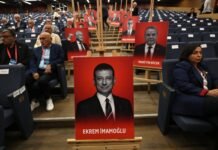
Since then, scores of trials have targeted dissidents and political opponents in cases critics say are politically motivated, including those targeting jailed İstanbul Mayor Ekrem İmamoğlu, a powerful Erdoğan opponent.
The crackdown also decimated the Turkish military, with tens of thousands dismissed and the government moving quickly to strengthen civilian control to ensure it could no longer resort to coups to interfere in the country’s politics.
Civil society was not spared, with more than 1,500 associations and foundations shuttered and scores of newspapers, magazines and television and radio stations closed as most of the media was brought under government influence.
Despite Ankara’s efforts to portray the coup as a uniquely unifying event for Turkey, the initial rally-round-the-flag effect was short-lived, Tol said.
“Whatever unity Erdoğan secured after July 15 was gone shortly afterwards because of all the controversial policies that he pursued,” she said.
“There’s this view that the government has done so much damage it’s going to take a generation to undo it, which creates a deep sense not just of anxiety, but despair.”
This article is republished from Turkish Minute.