A new Greek documentary reveals how eight Turkish soldiers who fled to Greece after a coup attempt in 2016 spent years fighting for asylum amid pressure from Ankara to extradite them and fears of abduction by Turkish intelligence.
The eight men, six officers and two noncommissioned officers serving in Turkish military helicopter crews, fled Turkey on July 16, 2016, hours after the coup attempt began. According to accounts featured in the documentary, they had been ordered to transport wounded soldiers and civilians, were initially unaware of the coup attempt and decided to flee in an unarmed helicopter after coming under fire, fearing for their lives if they remained in Turkey.
According to the documentary, nine military personnel initially considered fleeing together, but one noncommissioned officer decided to remain in Turkey. He was subsequently imprisoned and remains behind bars, the documentary says.
Before landing in the northeastern Greek city of Alexandroupolis, the soldiers discarded classified military materials and equipment to prevent Turkish military secrets from being exposed, according to the documentary. They sought asylum upon arriving in Greece.
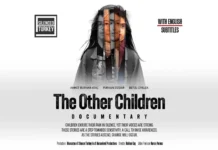
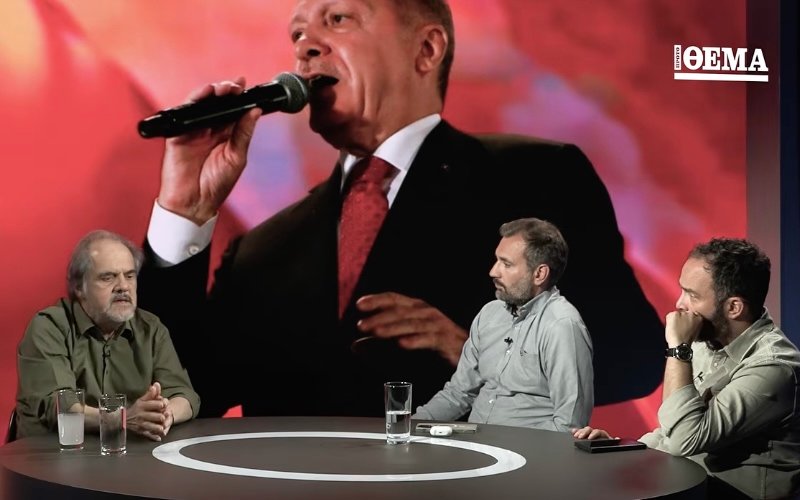
The documentary was produced by journalists Marinos Aleiferis and Giannis Charamidis and released on September 27 by the Greek news outlet Proto Thema as part of its Medusa investigative series. It features interviews with former Greek government and military officials, legal experts and people who helped the soldiers seek asylum.
The coup attempt killed 251 people and wounded more than 2,000. Many military personnel later testified that they had reported to their units after receiving warnings of a possible terrorist attack and were unaware they were being drawn into the coup attempt. Turkish President Recep Tayyip Erdoğan accused the faith-based Gülen movement of orchestrating the coup, an accusation the movement strongly denies. A decade later, key aspects of the coup, including its operational planning and chain of command, remain unresolved.
Dimitris Vitsas, Greece’s deputy defense minister at the time, said Greek authorities initially suspected the soldiers’ arrival might be a provocation but concluded that they were seeking asylum.
Turkey accused the eight soldiers of involvement in the coup attempt and demanded their extradition. Greek writer Apostolos Doxiadis, who helped the soldiers in their legal battle, alleged that then-prime minister Alexis Tsipras had promised Turkish President Recep Tayyip Erdoğan that the soldiers would be returned.
Former Greek defense minister Panos Kammenos, however, said Turkey’s record of political killings and the imprisonment of military officers, civilians and journalists made it unthinkable to extradite the soldiers, who could face torture or death if returned. He said extradition would violate Greece’s international obligations.
Greece’s Supreme Court rejected Turkey’s extradition requests on January 26, 2017, citing concerns that the soldiers would not receive a fair trial and could face torture or inhuman treatment if returned.
After the Supreme Court’s ruling, appeals by the Greek government against decisions granting the soldiers asylum and further detention orders prolonged their legal uncertainty, according to Doxiadis.
Greece’s Council of State, the country’s highest administrative court, upheld a decision granting asylum to one of the soldiers in May 2018, paving the way for the others to secure asylum. All eight eventually received asylum and were released, although they continued to live under strict security restrictions due to fears of abduction by Turkish intelligence.
The soldiers lived in undisclosed locations, unable to resume normal lives. Previously unseen photographs featured in the documentary showed the cramped, poorly lit rooms where they stayed. They had drawn pictures of their children on the walls, while one of the men wrote a poem expressing his hope of returning home and embracing his children.
Before the May 2018 ruling, one of the men, Süleyman Özkaynakçı, stayed for 10 days at the home of economist Miranda Xafa after an initial decision granting him asylum led to his temporary release. Xafa agreed to shelter him after Doxiadis asked whether she could accommodate the first soldier to be released. She said her apartment was very close to the Turkish Embassy in Athens and that Özkaynakçı, fearing abduction, was reluctant even to step onto the balcony. He was subsequently taken back into custody.
The documentary also recounts how the soldiers’ wives and children fled Turkey by crossing the Evros River into Greece to reunite with them. Among them was a woman who made the dangerous journey with a newborn baby and two young children. The film includes footage of the families’ reunions after their prolonged separation.
According to the documentary, all eight soldiers eventually left Greece and settled in other countries, with some beginning to acquire citizenship.