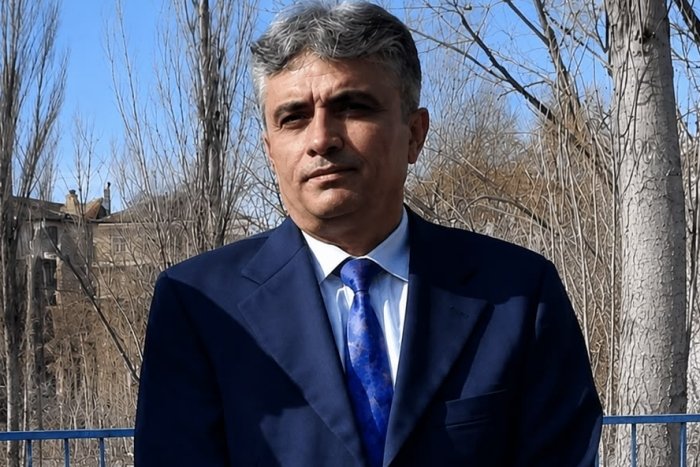
A former Turkish soldier who was dismissed by an emergency decree after a failed coup in 2016 died of colon cancer on July 3 while awaiting a court ruling on his bid to return to duty, the TR724 news website reported.
Tuncer Dinçer, a father of two in his 50s, had been tried on charges carrying four aggravated life sentences and an additional 12-and-a-half years in prison after being called to his unit on the night of the failed coup, having been told there would be a military exercise. He was released in 2019 after some 33 months in pretrial detention.
The abortive putsch killed 251 people and wounded more than a thousand others. The next morning, after announcing that the coup had been suppressed, the Turkish government immediately started a wide-ranging purge of judges, police officers, teachers and other government officials that ultimately led to the dismissal of more than 130,000 public servants. According to official figures 150 of the Turkish Armed Forces’ 326 generals and admirals and more than 24,000 commissioned officers as well as 4,156 judges and prosecutors were also summarily removed from their jobs by emergency decree-laws for alleged ties to “terrorist organizations.”
After his release from prison, Dinçer began working at a plastics factory in Ankara. He was later diagnosed with colon cancer after undergoing medical tests prompted by a serious weight loss. He underwent surgery and fought the disease for about seven or eight months before his death.
Relatives said Dinçer had been waiting with hope for the result of an administrative court case seeking his reinstatement. They said he often told people around him, “We did not commit any crime.”
Dinçer was buried in his hometown of Nevşehir, in central Turkey.
Former public servants were not only fired from their jobs but also banned from working again in the public sector and getting a passport to seek employment abroad. The government also made it difficult for them to work formally in the private sector. Notes were put on the social security database about dismissed public servants to deter potential employers.
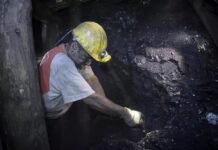
As a result, many purge victims have had to work in uninsured jobs with very little workplace safety. There have also been several cases where former public servants have died due to occupational accidents in physically demanding jobs.
In recent years, some of the people fired have been reinstated, yet this process has often come too late. Numerous cases have surfaced where dismissed individuals, facing severe emotional and financial strain, have died by suicide or otherwise passed away before their reinstatement.