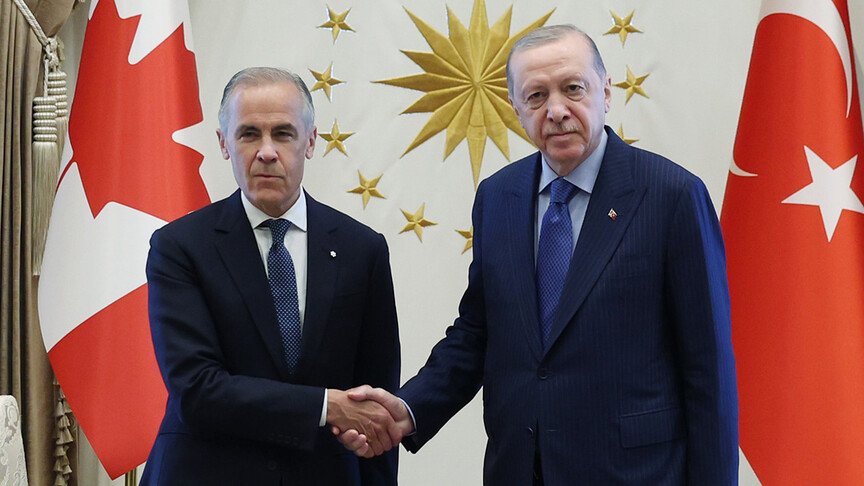
Amnesty International Canada on Thursday urged Canadian Prime Minister Mark Carney to raise Turkey’s crackdown on opposition politicians, journalists and LGBTQ rights advocates during talks with President Recep Tayyip Erdoğan aimed at strengthening trade and defense ties between the two NATO allies.
The rights group called on Carney to press Turkish authorities to release imprisoned human rights defenders, end restrictions on independent media and peaceful protests and comply with international court rulings, particularly those concerning jailed civil society leader Osman Kavala.
Ruhat Sena Akşener, Amnesty International’s Turkey director, said Carney’s visit offered an opportunity to address what the organization described as a deepening human rights crisis marked by the systematic erosion of fundamental freedoms and the rule of law.
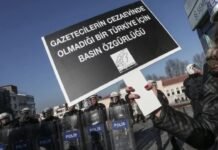
Akşener pointed to the detention of elected mayors, judicial pressure on opposition politicians and criminal investigations and prosecutions targeting journalists and activists. She said people were facing legal action for their reporting, human rights advocacy and social media posts, creating a climate of pressure on freedom of expression.
She called on Canada to ensure that human rights were not relegated to a secondary issue in its negotiations with Turkey, saying sustainable partnerships depended on accountability and respect for the rule of law.
Carney was scheduled to meet with Erdoğan in Ankara on October 22 before traveling to İstanbul for meetings with Turkish business leaders and investors.
His visit, the first bilateral trip to Turkey by a Canadian prime minister, is focused on expanding cooperation in energy, mining, trade, defense and security. The two countries announced negotiations toward a free trade agreement in July, and two-way merchandise trade reached $4.3 billion in 2025, according to the Canadian prime minister’s office.
Ketty Nivyabandi, secretary-general of Amnesty International Canada’s English-speaking section, urged Carney to demand the release of people imprisoned for exercising their fundamental rights and the removal of unlawful restrictions on independent journalism, internet freedom and peaceful assembly.
Nivyabandi specifically called for the immediate release of Kavala, a Turkish philanthropist and civil society leader imprisoned since November 2017.
Kavala was sentenced to life in prison without parole in April 2022 on charges of attempting to overthrow the government in connection with nationwide anti-government protests in 2013, allegations he denies.
The Grand Chamber of the European Court of Human Rights (ECtHR) ruled on August 25 that Kavala’s continued imprisonment was unlawful and that his trial had violated his fundamental rights. The court ordered his release and the annulment of his conviction, but Turkish authorities have not implemented the judgment.
Turkey had already failed to comply with two previous binding ECtHR rulings concerning Kavala, including a 2019 judgment ordering his release.
Amnesty’s appeal comes amid a series of measures targeting opposition politicians, independent media and civil society organizations in Turkey.
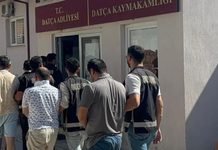
In September Turkish authorities launched a nationwide operation targeting LGBTQ people and rights organizations. At least 83 people were put in pretrial detention, including 23 LGBTQ rights defenders or people associated with rights organizations, according to Amnesty International.
The operation also involved restrictions on hundreds of social media accounts belonging to LGBTQ organizations, activists, journalists and human rights groups. Amnesty reported that at least 419 accounts had been blocked in connection with the crackdown by October 10.
On October 14 Turkish authorities took control of Halk TV, a leading pro-opposition television broadcaster, through state-appointed trustees as part of an investigation into alleged financial crimes involving its owner. Amnesty condemned the takeover as an attack on press freedom.
France-Isabelle Langlois, executive director of Amnesty International Canada’s French-speaking section, said Turkey’s worsening human rights situation could not be ignored simply because of its strategic importance as a NATO ally.
Langlois said increasing pressure on political opponents, journalists and civil society had contributed to social polarization and a climate of fear. She urged Canada to make concrete demands for the release of imprisoned journalists and human rights defenders and an end to measures targeting LGBTQ activists.
Amnesty International called on Carney to make respect for fundamental freedoms and the rule of law a central part of Canada’s developing partnership with Turkey rather than allow economic and strategic priorities to overshadow human rights concerns.