
Kurdish poet and playwright Tekin Ağacık, who was sent back to Turkey after Estonia rejected his asylum bid, was detained at İstanbul Airport over terrorism-related allegations, Turkish media reported Friday.
Ağacık, who had lived in Estonia for more than a decade, was questioned at the airport police station after arriving late Thursday. He was expected to be transferred to the İstanbul Police Department’s counterterrorism branch for further interrogation.
The poet was to be questioned over 18 separate files, one involving alleged membership in a terrorist organization and the other 17 relating to social media posts allegedly insulting President Recep Tayyip Erdoğan or spreading terrorist propaganda.
Ağacık appealed the rejection of his first asylum application and filed a second, but Estonian authorities ultimately decided to return him to Turkey. The decision was reportedly linked to allegations of membership in the outlawed Kurdistan Workers’ Party (PKK).
The PKK, designated as a terrorist organization by Turkey and its Western allies, has waged an insurgency against the Turkish state since 1984 but said in May 2025 it would disband and end its armed campaign as part of a renewed peace process.
In January a Tallinn court convicted Ağacık of supporting a terrorist organization in social media posts, including videos that authorities said urged Kurdish and European youths to join the PKK. He received a suspended sentence of more than two years under a plea agreement.
Ağacık denied being a terrorist and said his social media posts were intended to draw attention to the problems faced by Kurds.
He became involved in theater in 1996 and later wrote plays in Kirmanckî (Zazaki), a variety of Kurdish. He published his first poetry collection in 2008.
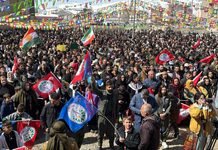
Turkey frequently brings terrorism-related charges against journalists, artists and human rights advocates, often alleging links to the PKK. Human rights groups say such cases often target activities protected by freedom of expression and association rather than involvement in violence and are used to deter dissenting voices on the Kurdish issue. The term refers broadly to demands for equal rights and recognition by the country’s Kurdish population.