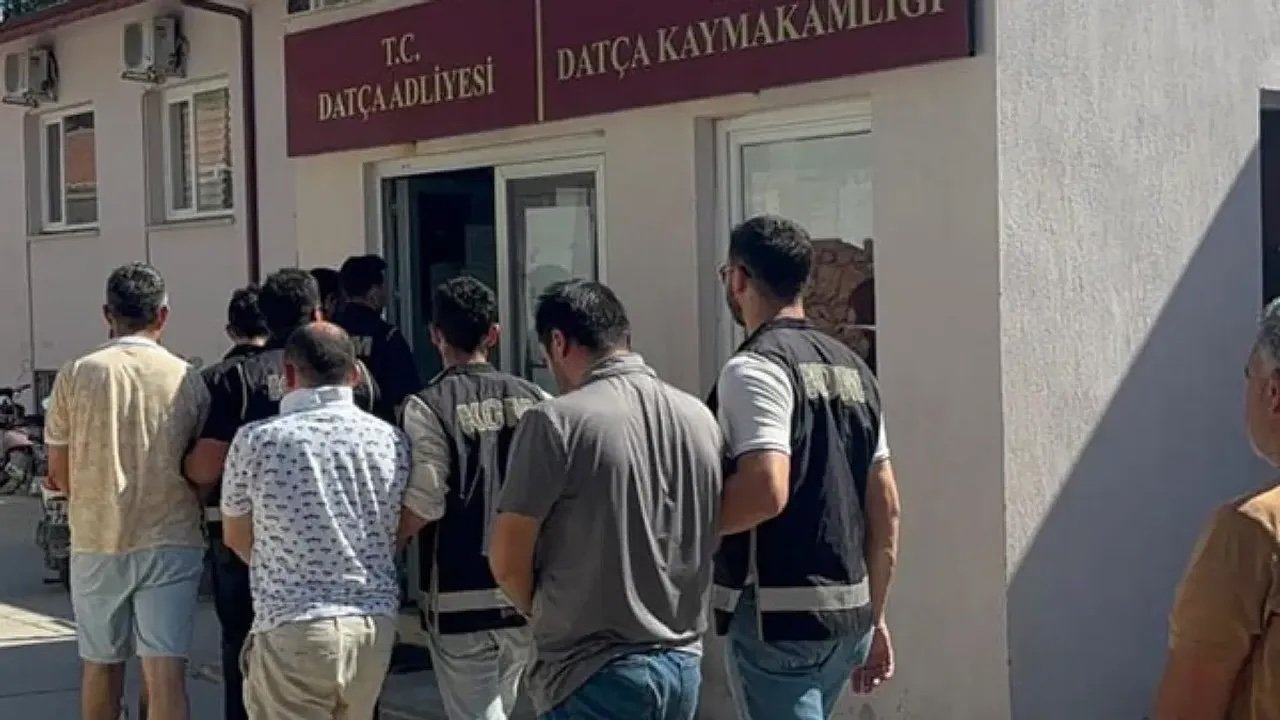
Turkish police detained 31 people in operations across four provinces on Tuesday over alleged links to the faith-based Gülen movement.
The operations were carried out under the coordination of prosecutors in İstanbul and İzmir, with 15 people detained in İstanbul, Burdur and Ordu and another 16 in İzmir, according to the state-run Anadolu news agency.
The İstanbul investigation targeted people accused of having supervisory positions in what authorities describe as the movement’s clandestine network within the police. Those detained included current and dismissed public employees.
Turkish President Recep Tayyip Erdoğan has targeted the faith-based Gülen movement, inspired by Muslim cleric Fethullah Gülen, who died in 2024, since corruption investigations in December 2013 implicated him as well as some members of his family and inner circle. He dismissed the probes as a Gülenist conspiracy and designated the movement as a terrorist organization in May 2016, intensifying a sweeping crackdown after a coup attempt in July of the same year that he accused Gülen of orchestrating. The movement denies involvement in the coup attempt or any terrorist activity.
Police said the people were identified using digital records obtained from a secret witness, bank transactions, funds transfers to institutions allegedly associated with the movement and records of consecutive calls made from public payphones.
Authorities cited increases in account balances at the now-shuttered Bank Asya, once one of Turkey’s largest commercial banks, and transfers to institutions they alleged were linked to the movement. The transactions were described as payments for scholarships and charitable donations. The report did not identify the institutions that received the money.
The so-called “payphone investigations” are based on call records. Prosecutors allege that a member of the Gülen movement used a single payphone to call several contacts consecutively. Based on that assumption, when an alleged movement member is identified in the records, authorities presume that people whose numbers were dialed immediately before or after that call also have links to the movement. Investigators do not possess the content of the conversations, and the presumption of guilt rests on the sequence of calls made from the phone.
Since the coup attempt in 2016, Turkish authorities have treated activities such as having an account at Bank Asya, using the ByLock messaging application and subscribing to publications associated with the movement as indicators of alleged membership in a terrorist organization, although these activities were lawful when they took place.
In the separate İzmir investigation, police detained six people, including three dismissed police officers and a teacher over similar accusations. Another 10 people were detained over accusations of spreading movement propaganda on social media.